What specific details or events do these new Artemis 2 images depict?
Artemis II mission images confirm the Orion spacecraft's imaging and communication systems work in deep space while providing vital Earth atmospheric data.
 Sylvie Vance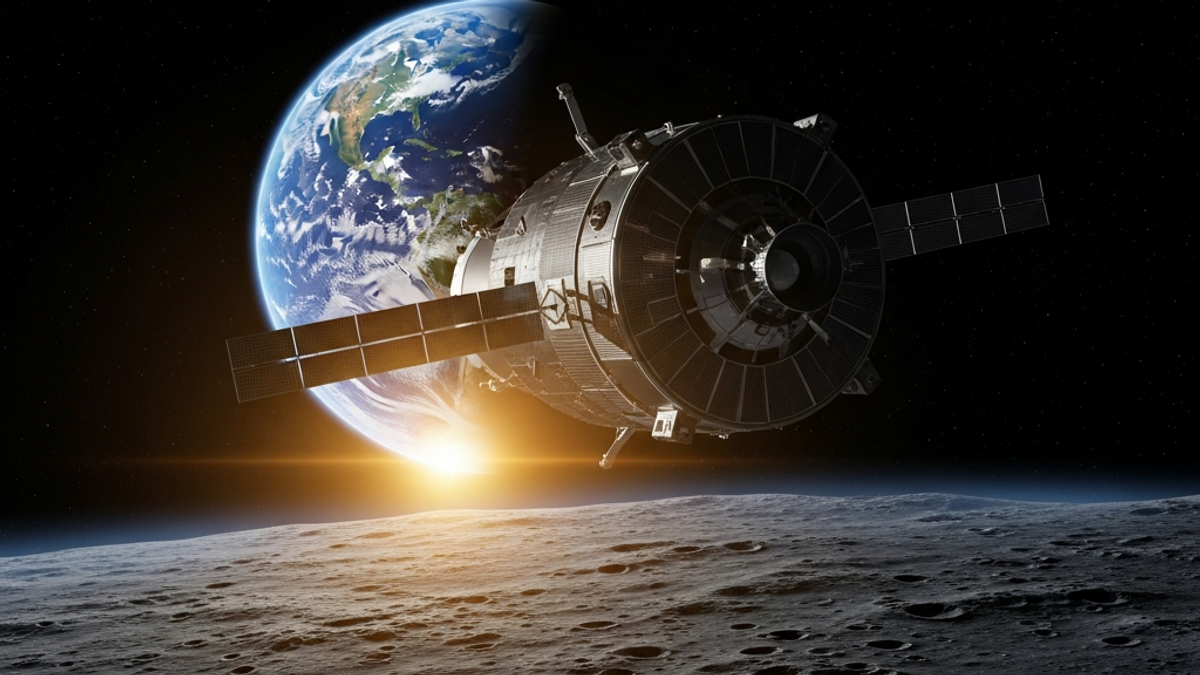
The recent images released from the Artemis II mission depict high-resolution views of Earth as captured by the crew from the vantage point of the Orion spacecraft during its lunar flyby trajectory. These photographs specifically showcase North America, the globe’s atmospheric features—including swirling cloud patterns over the oceans—and the distinct glow of an aurora, serving as a visual testament to the mission's progress toward the Moon ([PBS, 2024](https://www.pbs.org/newshour/science/photos-artemis-ii-astronauts-capture-earths-brilliant-beauty)). These images are significant not only for their aesthetic quality but as proof-of-concept for the Orion capsule’s imaging capabilities during deep-space operations.
### How were these images captured during the Artemis II mission?
The images were captured using the integrated camera systems aboard the Orion spacecraft as it traveled on its lunar flyby trajectory. Mission commander Reid Wiseman and the other crew members utilized the spacecraft’s sophisticated external and internal optical hardware to document the Earth-Moon transition ([YouTube, 2024](https://www.youtube.com/watch?v=m3sSHB30zaA)). This process is vital for engineers at NASA to test the durability and functionality of imaging sensors when subjected to the harsh radiation environment of deep space, far beyond Earth’s protective magnetosphere.
### What do the "terminator line" and cloud formations in the images reveal?
The prominence of the "terminator line"—the transition zone between daylight and darkness—provides critical data regarding the angle of sunlight hitting Earth’s atmosphere at the specific time of the mission. The swirling white cloud formations visible in the images are analyzed by meteorologists and climate scientists to observe large-scale weather patterns from a unique, high-altitude perspective ([Facebook, 2024](https://www.facebook.com/groups/355731256819830/posts/976751794717770/)). Seeing such details in clear definition confirms that the Orion capsule’s window optics and camera apertures are performing within optimal parameters for deep-space photography.
### Why is capturing these images critical for the Artemis program?
While the images are captivating to the public, their primary purpose is operational verification. By capturing high-quality images of celestial bodies and the Earth, NASA confirms that navigation sensors, communication downlinks, and optical hardware can maintain reliability during the multi-day journey to the Moon and back ([Wikipedia, 2024](https://en.wikipedia.org/wiki/Artemis_II)). This is an essential step in building trust in the technology that will eventually support long-term lunar surface operations and, eventually, human missions to Mars.
### Key Takeaways
* **Operational Validation:** The images serve as real-world testing for the Orion capsule’s optical and sensor systems in deep space.
* **Scientific Utility:** The data captured, including cloud cover and atmospheric phenomena like auroras, provides valuable atmospheric context from a vantage point rarely occupied by humans.
* **Human Factor:** These visual records are instrumental in maintaining public engagement and interest in the Artemis program's goal of returning humans to the lunar surface.
* **Technological Readiness:** Successful image transmission from the spacecraft confirms that high-bandwidth communication links are effectively operational for the duration of the mission.
The future of the Artemis program depends on the success of these incremental steps. As the Orion spacecraft continues its voyage, the imagery it produces provides more than just a photo opportunity; it offers a diagnostic look at the health and capabilities of our latest human-rated deep-space vessel. These images serve as a bridge between the technical complexity of lunar exploration and the public's understanding of our ongoing journey back to the Moon.
## References
* [NASA releases new earth images from Artemis II mission (Facebook, 2024)](https://www.facebook.com/groups/355731256819830/posts/976751794717770/)
* [PHOTOS: Artemis II astronauts capture Earth's brilliant beauty (PBS, 2024)](https://www.pbs.org/newshour/science/photos-artemis-ii-astronauts-capture-earths-brilliant-beauty)
* [NASA Releases Stunning First Images of Earth | Artemis II Astronauts (YouTube, 2024)](https://www.youtube.com/watch?v=m3sSHB30zaA)
* [Artemis II - Wikipedia (2024)](https://en.wikipedia.org/wiki/Artemis_II)
* [NASA's Artemis II captures an unforgettable photo of Earth (Mashable, 2024)](https://mashable.com/article/artemis-ii-shares-picture-crescent-earth)