What are the primary reasons or demands behind the "no kings protest" movement?
The "No Kings" movement is an anti-establishment protest that criticizes perceived authoritarianism and executive overreach by political leaders, adapting its message to specific contexts.
 Sylvie Vance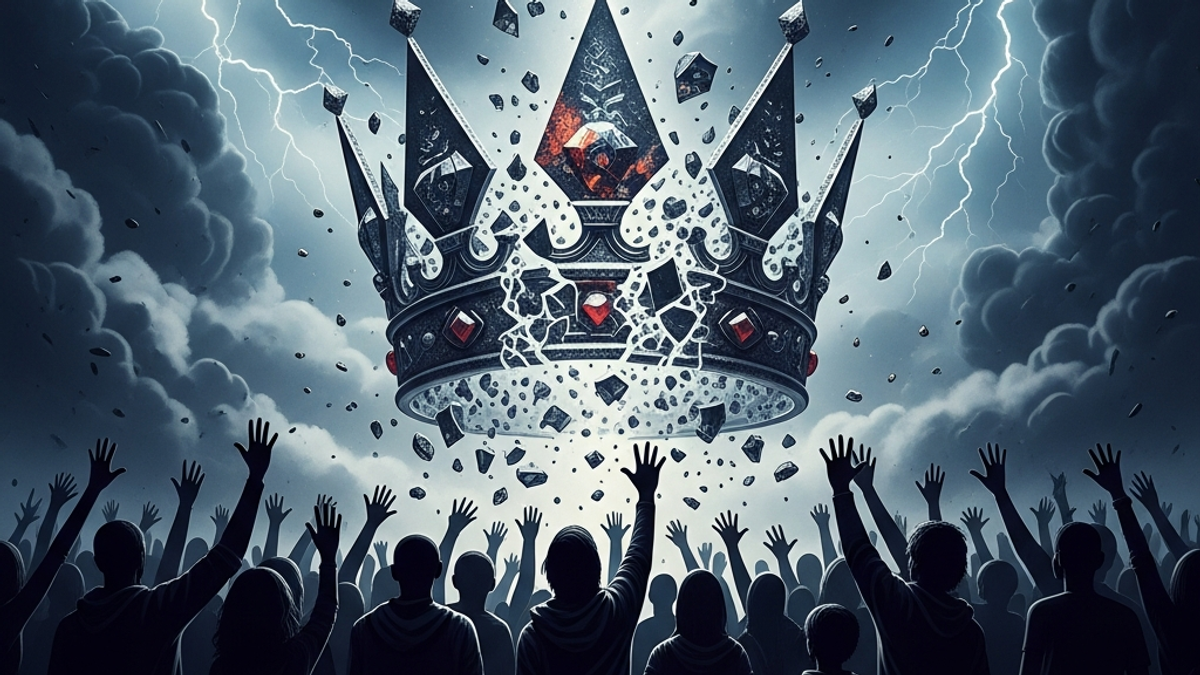
The primary demands behind the "no kings protest" movement are fundamentally rooted in anti-authoritarian sentiment, specifically targeting leaders perceived as exhibiting dictatorial tendencies or undermining democratic norms, rather than a unified, singular demand against the British Monarchy, although similar rhetoric is sometimes co-opted (Britannica). Historically, large-scale protests labeled "No Kings" rallies have been organized in the US to protest presidential actions deemed antidemocratic, such as crackdowns on immigration or perceived overreach of executive power (Britannica). In the UK context, protesters have adapted similar slogans like "No tyrants, no clowns" out of respect for the reigning monarch, focusing their anti-authoritarian message on the perceived failings of the political leadership (Reddit). Understanding this movement requires discerning between protests aimed at specific political figures acting as a 'king' and generalized republican sentiment.
### How does the "No Kings" slogan connect to specific political grievances?
The connection between the "No Kings" slogan and specific political grievances is highly contextual, frequently evolving to target the leader currently embodying perceived autocratic power (Britannica). In past significant "No Kings" protests, the central grievance revolved around leaders whose policies were seen as trampling on civil liberties, such as mass immigration enforcement actions or the deployment of military/federal agents against citizens (Food & Water Watch). The term "King" is used pejoratively to signify an executive leader who acts unilaterally, believing their authority supersedes constitutional or democratic checks and balances (Quora). When this rhetoric surfaces in the UK, protesters often modify the slogan to avoid direct offense to the institution of the monarchy while still voicing strong opposition to perceived government tyranny (Reddit).
### Have these protests always been focused on a singular political figure or ideology?
No, the focus of protests utilizing the "No Kings" rhetoric has never been singular; rather, it serves as a flexible, potent symbol against centralized, unchecked authority (Britannica). The common denominator across various iterations of these protests is the rejection of governance that operates outside established democratic constraints, suggesting the leader is acting as a monarch rather than an elected official. For example, while some historical rallies focused on presidential mandates concerning federal operations, the underlying ideological rejection remains the same: opposition to an executive overstepping their bounds (Food & Water Watch). This adaptability ensures the slogan remains relevant across different political climates where perceived executive overreach is a central concern.
### What is the observed impact of these protests on the targeted political landscape?
The impact of "No Kings" protests is multifaceted, ranging from direct policy attention to shifts in public discourse, though achieving immediate legislative change is rare (Britannica). When protests reach significant scale, they force the targeted administration to address the underlying policies that provoked the outcry, such as immigration crackdowns or executive orders (Food & Water Watch). Furthermore, these visible demonstrations shape public perception, raising awareness about perceived democratic backsliding, which can influence public opinion and future electoral outcomes (Quora). In contexts like the UK, where the monarchy remains a fixture, adapting the slogan demonstrates the protest's power to co-opt potent political symbolism for contemporary anti-establishment messaging (Reddit).
### Key Takeaways: Understanding the Anti-Authoritarian Core
* **Context is King:** The meaning of "No Kings" protests is highly contingent on the local political environment, generally targeting perceived authoritarianism rather than one fixed issue.
* **Slogan Evolution:** The core message against perceived dictatorship or executive overreach remains constant, even when the specific language is altered (e.g., "No tyrants, no clowns" in the UK) to align with local sensitivities (Reddit).
* **Focus on Governance:** The protests fundamentally reject leadership that operates outside of established democratic checks and balances, viewing such actions as monarchical (Britannica).
* **Symbolic Power:** The rhetorical power of the phrase lies in its immediate, potent condemnation of unilateral, unchecked power (Quora).
The future trajectory of movements using this powerful anti-authoritarian framing will likely follow cycles of political tension. As long as there are leaders perceived by a significant portion of the public as acting outside their mandate, the "No Kings" banner—or its local equivalent—will likely resurface as a highly visible, emotionally charged rallying cry against concentrated power.
## References
* Britannica. "No Kings protests | Meaning, Turnout, Numbers, & Around the World." (Accessed via search)
* Food & Water Watch. "5 Reasons We Say “No Kings!” | Food & Water Watch." (Accessed via search)
* Quora. "Why are UK citizens protesting against the monarchy system? Does it mean they dont a want the new king." (Accessed via search)
* Reddit. "What's going on with people in London protesting with \"not my king\"." (Accessed via search)
* Reddit. "Anti-Trump protestors in the UK rebrand the original slogan of \"No kings, no crowns\" to \"No tyrants, no clowns\" out of respect for the British Monarchy." (Accessed via search)