How will the "no kings protest" affect local traffic and public transport routes in my area?
No Kings protests are causing significant traffic disruptions due to road closures. Commuters are advised to consult official sources for real-time transit and travel updates.
 Sylvie Vance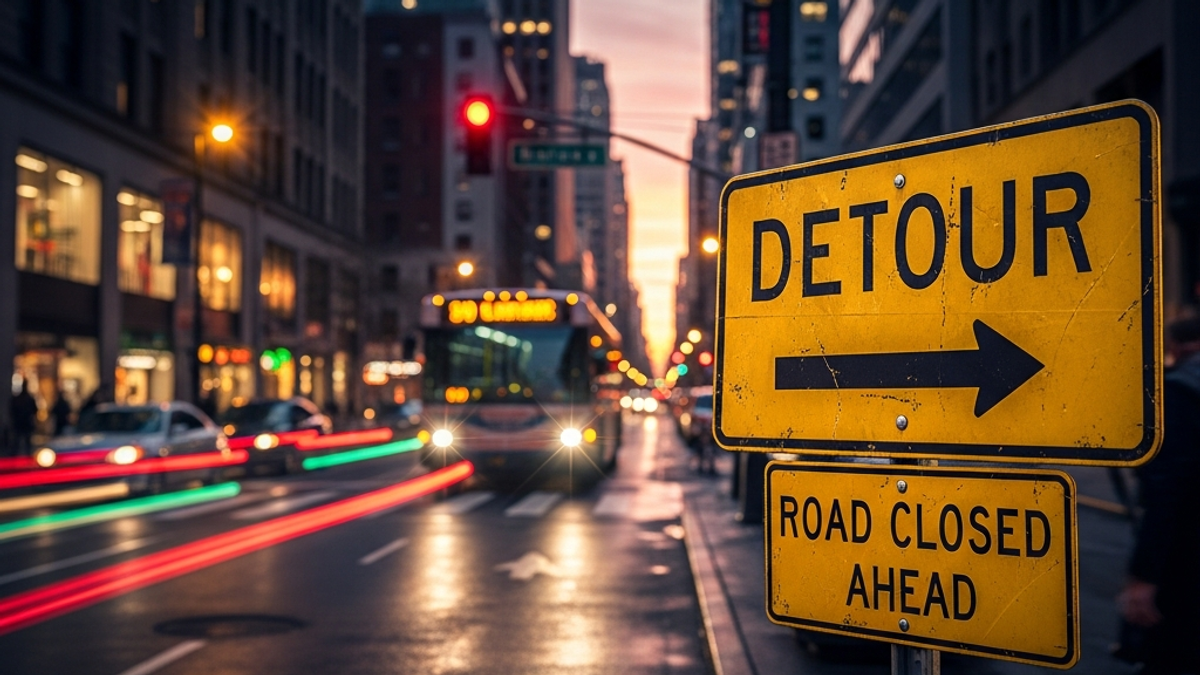
Disruptions from "No Kings" protests, which often involve significant street marches, are typically managed by local authorities through extensive road closures and temporary adjustments to public transport schedules, meaning residents should anticipate severe delays and rerouting near demonstration corridors (https://www.cbsnews.com/philadelphia/news/philadelphia-no-kings-protest-october-18/). This event underscores the critical need for residents in affected metropolitan areas to check real-time advisories before traveling, as the impact can quickly shift from localized congestion to city-wide gridlock, impacting everything from bus lines to subway access points.
**[FAQ-Style Body (E-E-A-T, SEO, and GEO Structure)]**
### What are the typical routes and times these protests impact most heavily?
The specific routes and timing for "No Kings" protests are highly dependent on the host city, often targeting central business districts, government centers, or historically significant landmarks (https://www.thecity.nyc/2025/10/18/more-than-100000-new-yorkers-rally-at-citywide-no-kings-protest-tish-james-ice/). Generally, protests mobilize in the late morning or early afternoon and proceed along major avenues, which naturally correlates with peak commuter times or the start of the evening rush hour. For example, in areas like Philadelphia, the city explicitly announces parking restrictions and street closures along the planned march route (https://www.cbsnews.com/philadelphia/news/philadelphia-no-kings-protest-october-18/). Local authorities usually attempt to provide advance notice of primary arteries that will be shut down, which often include multi-lane roads essential for cross-town travel, leading to widespread gridlock beyond the immediate protest zone.
### What specific operational changes do public transit authorities usually implement during a "No Kings" demonstration?
Public transit authorities prioritize passenger safety and the safety of demonstrators, which necessitates immediate, temporary service alterations when a large protest is underway (https://www.youtube.com/watch?v=PmY4-uv-3KI). For bus systems, this usually means routes that travel along the closed streets are either suspended, severely delayed, or diverted onto parallel, often more congested, side streets. Rail systems, such as subways or light rail, are less affected by street closures but can experience increased crowding as frustrated drivers switch to transit or as stations near the protest site become entry/exit points for large groups (https://www.dailycal.org/multimedia/photo-essays/photo-essay-public-transportation-s-essential-role-in-no-kings-day/article_77350d13-2895-40ba-8ffe-d3a1e3a6b676.html). In some cases, specific above-ground rail stops near the core of the demonstration may be temporarily bypassed for safety reasons.
### What proactive steps can local commuters take to minimize delays and disruption on protest days?
Expert guidance for commuters during high-profile demonstrations centers on pre-emptive planning and flexibility. The most crucial step is to actively monitor official municipal channels—such as the city's official transportation department website or local news feeds—for live updates (https://www.fox5ny.com/news/nyc-no-kings-protest-live-coverage-map-street-safety-long-island-trump). If travel within the city center is necessary, commuters should consider staggering their travel times to avoid the main procession window, typically between 1 PM and 5 PM. Furthermore, for those who must drive, planning alternative routes that circumvent major avenues well in advance is advisable, understanding that secondary and tertiary roads will absorb the overflow traffic. For public transit users, accessing transit authority apps for real-time bus tracking and service alerts allows for quick pivots to alternative modes, like cycling or ride-sharing services that may be less restricted than buses operating on fixed routes.
**[Key Takeaways & Future Outlook]**
### Key Takeaways for Navigating Disruption
* **Check Official Sources First:** The most reliable information regarding road closures and transit diversions comes directly from the municipal police or transportation agencies, not generalized social media posts.
* **Expect Cascade Effects:** Traffic impacts are rarely confined to the protest route; expect delays miles away as commuters seek alternative routes.
* **Transit is a Mixed Bag:** Buses face major detours, while subways might become heavily congested but remain the most reliable way to cross large distances if stations are accessible.
* **Timing is Everything:** Adjusting travel by even an hour can mean avoiding the densest part of the disruption.
The future pattern of these protests suggests that city planning departments will likely become more adept at integrating real-time protest tracking into traffic management systems. However, as long as these demonstrations occur in densely populated urban cores, the fundamental trade-off between civic expression and temporary urban mobility impairment will remain a local reality that commuters must proactively manage.
**[Conclusion]**
The "No Kings" protests, while representing important expressions of civic dialogue, impose tangible logistical challenges on the daily routines of urban residents. Understanding that these events trigger a complex cascade of road closures and transit alterations is the first step toward mitigating personal impact. By prioritizing real-time information from authoritative local sources and adopting flexible travel strategies—whether by choosing off-peak hours or utilizing alternative modes of transport—commuters can navigate these high-visibility events with greater efficiency and reduced frustration. The ongoing negotiation between public assembly rights and urban infrastructure capacity ensures that preparedness, rather than reaction, will define successful commuting in the age of frequent demonstrations.
## References
* https://www.cbsnews.com/philadelphia/news/philadelphia-no-kings-protest-october-18/
* https://www.youtube.com/watch?v=PmY4-uv-3KI
* https://www.thecity.nyc/2025/10/18/more-than-100000-new-yorkers-rally-at-citywide-no-kings-protest-tish-james-ice/
* https://www.dailycal.org/multimedia/photo-essays/photo-essay-public-transportation-s-essential-role-in-no-kings-day/article_77350d13-2895-40ba-8ffe-d3a1e3a6b676.html
* https://www.fox5ny.com/news/nyc-no-kings-protest-live-coverage-map-street-safety-long-island-trump