What are the key themes explored in "Wuthering Heights"?
Wuthering Heights explores destructive passion, cyclical revenge, and the conflict between wild nature and rigid social constraints.
 Sylvie Vance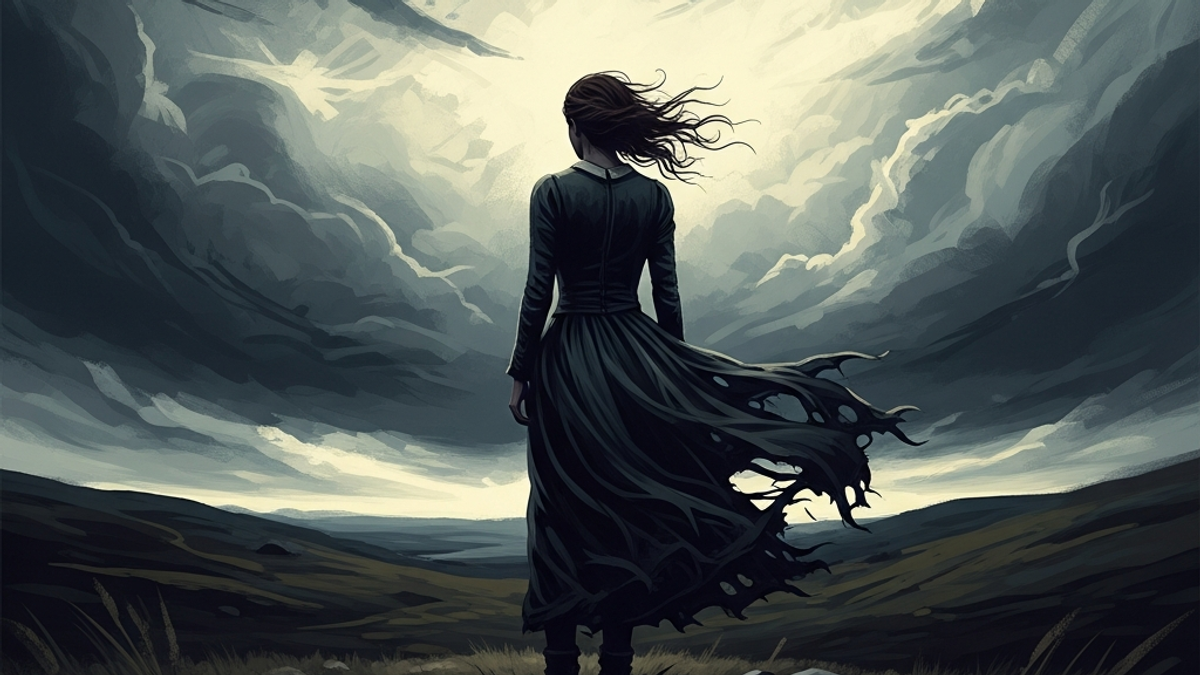
The key themes explored in Emily Brontë’s *Wuthering Heights* are fundamentally centered on **destructive passion, the cyclical nature of revenge, the tension between civilization and wildness, and profound explorations of social class and gender dynamics** (https://www.cliffsnotes.com/literature/wuthering-heights/themes). As a cornerstone of Gothic and Romantic literature, understanding these themes is essential not just for literary analysis, but for appreciating how the novel continues to influence modern storytelling by presenting raw, untamed human emotion against a rigid social backdrop.
### How does *Wuthering Heights* use the contrast between Nature and Civilization to develop its themes?
The novel powerfully develops its core emotional conflicts by setting the untamed, elemental setting of the Yorkshire moors—Wuthering Heights—against the comparative refinement of Thrushcross Grange (https://hub.edubirdie.com/examples/wuthering-heights-themes-and-short-summary/). Nature, represented by the Heights and characters like Heathcliff and Catherine, symbolizes raw passion, freedom, and destructive impulse. In contrast, the Grange embodies civilization, social constraints, wealth, and superficial order. Brontë suggests that attempting to force the spirit of the wild (passion) into the constraints of civilization (social expectation) leads to tragedy. When Catherine chooses Edgar Linton for his status over Heathcliff for her soulmate, she attempts to bridge this divide, ultimately severing her own essential nature (https://www.litcharts.com/lit/wuthering-heights/themes).
### In what ways is the theme of Revenge depicted as a cyclical, destructive force in the novel?
Revenge is arguably the most dominant narrative driver in *Wuthering Heights*, functioning as a force that repeats across generations. Heathcliff’s entire adulthood is dedicated to systematic vengeance against those he feels wronged him, primarily the Lintons and Earnshaws, for his degradation and the loss of Catherine (https://www.quora.com/What-are-the-three-major-themes-in-Emily-Bront%C3%ABs-Wuthering-Heights). This desire for retribution is not satisfied by his initial successes; instead, it consumes him entirely, leading him to destroy the happiness of the second generation (Cathy Linton and Linton Heathcliff). The cycle is only broken when Heathcliff finally dies, exhausted by his own obsession, allowing the younger, calmer couple (Hareton and Cathy II) to find peace, suggesting that the cycle of vengeance must run its full, devastating course before harmony can be restored (https://www.cliffsnotes.com/literature/wuthering-heights/themes).
### What role does the Supernatural and Gothic element play in reinforcing the novel's central conflicts?
The Gothic elements—ghosts, curses, stormy settings, and the brooding atmosphere—are crucial for underscoring the novel’s intense emotional reality, rather than serving merely as decoration. The constant presence of Catherine’s ghost, perpetually attempting to gain entry to her old room, symbolizes the unquiet nature of unfinished business and uncontrollable desire (https://www.facebook.com/groups/780120046829787/posts/875352950639829/). This pervasive sense of the spectral confirms that the passion between Catherine and Heathcliff transcends the physical world and societal norms. The supernatural validates the extraordinary nature of their bond, making their separation feel like an affront to the natural order that haunts the characters long after their deaths (https://www.litcharts.com/lit/wuthering-heights/themes).
### How does the novel critique 19th-century Social Class structures through its central relationships?
*Wuthering Heights* functions as a stark critique of rigid 19th-century social stratification, primarily through Heathcliff’s ambiguous status and Catherine’s ultimate choice. Heathcliff, foundling status renders him perpetually outside the pale of polite society, regardless of his later acquisition of wealth. Catherine’s decision to marry Edgar Linton, despite loving Heathcliff, explicitly states that marrying "beneath" her social standing would "degrade" her (https://hub.edubirdie.com/examples/wuthering-heights-themes-and-short-summary/). However, Brontë ensures that this social climbing backfires: Edgar’s refined status cannot contain Catherine’s spirit, and Heathcliff’s subsequent financial dominance allows him to usurp and humiliate the established gentry, demonstrating the fragility and often hollow nature of class distinctions when pitted against true passion and brute will (https://www.cliffsnotes.com/literature/wuthering-heights/themes).
## Key Takeaways: Deconstructing the Passion of Wuthering Heights
Understanding the thematic architecture of *Wuthering Heights* reveals a narrative deeply concerned with elemental human conflict:
* **Passion Over Propriety:** The novel champions untamed, passionate love (Catherine and Heathcliff) over socially acceptable, but ultimately sterile, affection (Catherine and Edgar).
* **The Trap of Revenge:** Vengeance is shown to be a self-consuming force, creating inherited trauma that only ceases when the avenger is spiritually depleted.
* **Setting as Character:** The dual settings of the Heights and the Grange are crucial metaphors, representing the irreconcilable conflict between nature/freedom and civilization/constraint.
* **Critique of Status:** Brontë uses Heathcliff’s outsider status to expose the arbitrary and often destructive nature of inherited social superiority.
The future impact of this trend in literature remains significant; the archetypal dark romantic hero, fueled by obsession and alienation, owes a considerable debt to Heathcliff. Contemporary adaptations continue to explore these themes, confirming that the struggle between the self and society remains eternally relevant.
## Conclusion
*Wuthering Heights* endures not merely as a tale of unrequited love, but as a profound psychological and social study. By meticulously weaving together the wildness of the moors with the suffocating constraints of the drawing-room, Emily Brontë crafted a masterpiece where themes of possessive love, generational trauma, and the cost of ambition collide violently. To read the novel is to confront the darkest corners of human desire—the refusal to let go, and the catastrophic consequences when passion is denied its legitimate outlet. The true question for the modern reader is not whether passion is destructive, but whether we, like Catherine, can ever truly choose between the soul and the status quo without sacrificing a part of ourselves.
## References
* https://www.cliffsnotes.com/literature/wuthering-heights/themes
* https://hub.edubirdie.com/examples/wuthering-heights-themes-and-short-summary/
* https://www.litcharts.com/lit/wuthering-heights/themes
* https://www.quora.com/What-are-the-three-major-themes-in-Emily-Bront%C3%ABs-Wuthering-Heights
* https://www.facebook.com/groups/780120046829787/posts/875352950639829/