
What are the main differences between ice dancing and other figure skating disciplines like pairs skating?
Ice dancing prioritizes intricate footwork and dance connection, while pairs skating focuses on high-risk aerial acrobatics and throws.
 Sylvie Vance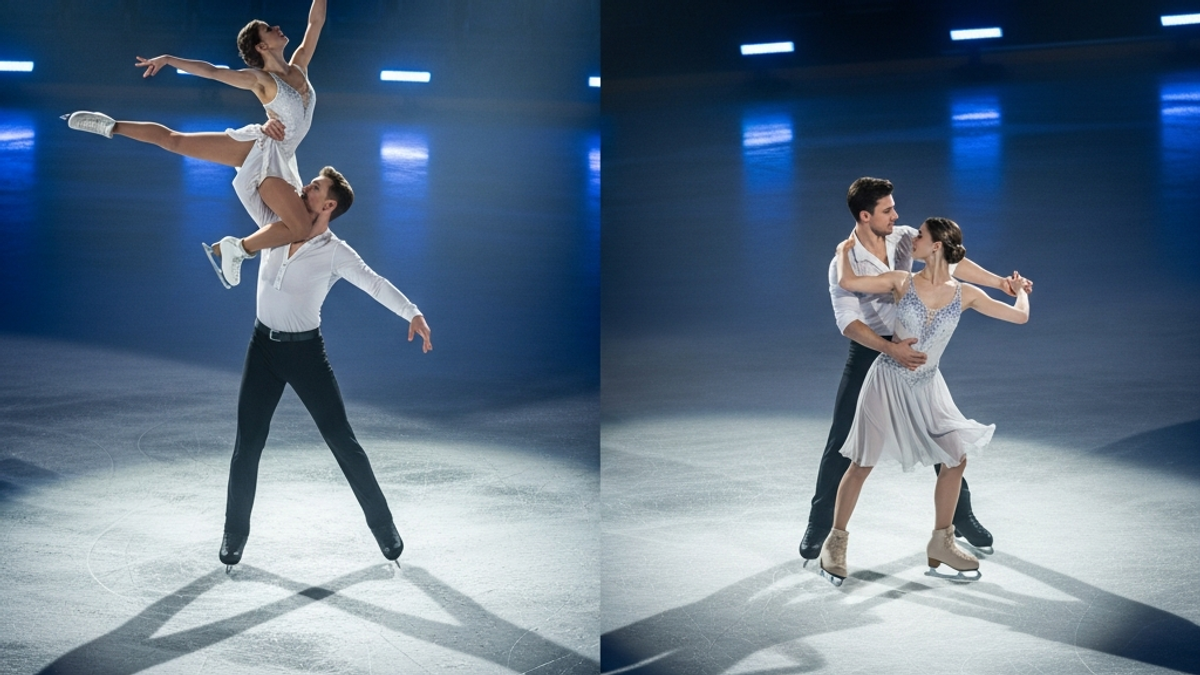
Ice dancing is fundamentally distinct from pairs skating primarily because it emphasizes intricate footwork, precise timing, and the execution of rhythm-based choreography derived from ballroom styles, while pairs skating focuses on ambitious acrobatic feats like overhead lifts, throws, and synchronized jumps (https://www.reddit.com/r/FigureSkating/comments/1bqvtxm/what_is_the_difference_between_ice_dancing_and/). This distinction in required elements—rhythm and connection versus aerial risk—defines how both disciplines are judged and perceived by the audience. As the lead-up to the 2026 Winter Olympics intensifies, understanding this core difference is key to appreciating the unique artistry presented by each team.
### What are the fundamental required elements that differentiate Ice Dancing from Pairs Skating?
The core elements required in competition illustrate the deepest structural separation between the disciplines (https://isu-skating.com/figure-skating/news/pair-skating-vs-ice-dancing-a-comparison-of-ice-skating-disciplines/). In Ice Dancing, the emphasis is placed on complex **patterned step sequences**, **twizzles**, and **choreographic sequences** that must adhere strictly to the rhythm and pattern of the music, prioritizing "dance" and connection between the partners (https://people.com/ice-dancing-figure-skating-differences-what-to-know-11897954/). Conversely, Pairs Skating demands a repertoire of high-risk, high-reward elements that demonstrate athleticism and coordination. These mandatory pair elements include throws (where one partner is thrown into a jump), side-by-side solo jumps, and highly complex overhead lifts (https://www.reddit.com/r/FigureSkating/comments/1bqvtxm/what_is_the_difference_between_ice_dancing_and/).
### How are the scoring and judging criteria applied differently to Ice Dance versus Pairs Skating?
The judging panels apply distinct criteria because the goal of each event is fundamentally different. For Ice Dance, a significant portion of the score is dedicated to **Skating Skills** and **Composition/Timing**, focusing on the flow, edge quality, and how closely the dance matches the musical structure, particularly in the Rhythm Dance segment (https://www.today.com/news/sports/ice-dancing-pair-figure-skating-difference-rcna258339/). Judges look for the seamless transition between partners and flawless execution of intricate footwork within the required dance hold (https://people.com/ice-dancing-figure-skating-differences-what-to-know-11897954/). In contrast, Pairs Skating scoring heavily weights the **Base Value** and **Execution** of the major athletic components—the throws and twists—where a fall or under-rotation results in far more severe deductions than a slight imperfection in intricate footwork in an ice dance program (https://isu-skating.com/figure-skating/news/pair-skating-vs-ice-dancing-a-comparison-of-ice-skating-disciplines/).
### Why is the concept of 'Lifts' a major differentiator between the two disciplines?
Lifts represent the most visually dramatic divergence between the two disciplines, particularly concerning height and duration allowed. In Pairs Skating, lifts are often characterized by powerful overhead positions where the man holds the woman high above his head, sometimes involving rotations, known as **Twist Lifts** (https://www.reddit.com/r/FigureSkating/comments/1bqvtxm/what_is_the_difference_between_ice_dancing_and/). These acrobatic elements are designed to showcase extreme strength and height. In Ice Dancing, the rules strictly restrict the height and type of lifts permitted. Ice Dance lifts must be executed in a **dance hold**, meaning the man must maintain constant contact with the woman's body with at least one hand (https://people.com/ice-dancing-figure-skating-differences-what-to-know-11897954/). There are no overhead lifts involving the female partner being held above the male partner's head with the man's hands positioned only on her waist or thighs, as seen in Pairs. Furthermore, the duration of lifts is also heavily regulated in Ice Dance to ensure the emphasis remains on continuous movement and footwork (https://www.today.com/news/sports/ice-dancing-pair-figure-skating-difference-rcna258339/).
### Key Takeaways
Understanding the nuanced differences between these two pair disciplines is crucial for appreciating the full spectrum of figure skating artistry heading into the next Olympic cycle.
* **Focus:** Ice Dance emphasizes rhythm, connection, and difficult intricate footwork reminiscent of ballroom dance.
* **Athleticism:** Pairs Skating prioritizes high-risk acrobatic elements, including overhead lifts and throws, showcasing raw athletic power.
* **Lifts:** Pairs Skating features high, rotational overhead lifts; Ice Dancing restricts lifts to dance holds where partners maintain constant contact.
* **Program Structure:** Ice Dance includes a Rhythm Dance segment, while Pairs Skating includes a Short Program, both leading to a Free Skate/Program final (https://www.today.com/news/sports/ice-dancing-pair-figure-skating-difference-rcna258339/).
The trend of increased viewer sophistication, fueled by constant analysis leading up to events like the 2026 Winter Games, means that skaters in both disciplines are pushing the technical boundaries within their specific rule sets.
## Conclusion
While both Ice Dancing and Pairs Skating feature two partners displaying grace and synchronization on the ice, the foundational principles governing their performance are miles apart. One celebrates the artistry of dance within the constraints of the ice, demanding microscopic precision in every step; the other champions breathtaking athleticism and daring, pushing the limits of physics through throws and towering lifts. As fans look forward to the competitive intensity of the 2026 Winter Olympics, recognizing these core distinctions will elevate the viewing experience, allowing for a deeper appreciation of the specific mastery required for each discipline. Which discipline—the technical dance or the aerial spectacle—will capture the most attention when the world gathers to watch?
## References
* https://www.reddit.com/r/FigureSkating/comments/1bqvtxm/what_is_the_difference_between_ice_dancing_and/
* https://isu-skating.com/figure-skating/news/pair-skating-vs-ice-dancing-a-comparison-of-ice-skating-disciplines/
* https://people.com/ice-dancing-figure-skating-differences-what-to-know-11897954
* https://www.today.com/news/sports/ice-dancing-pair-figure-skating-difference-rcna258339