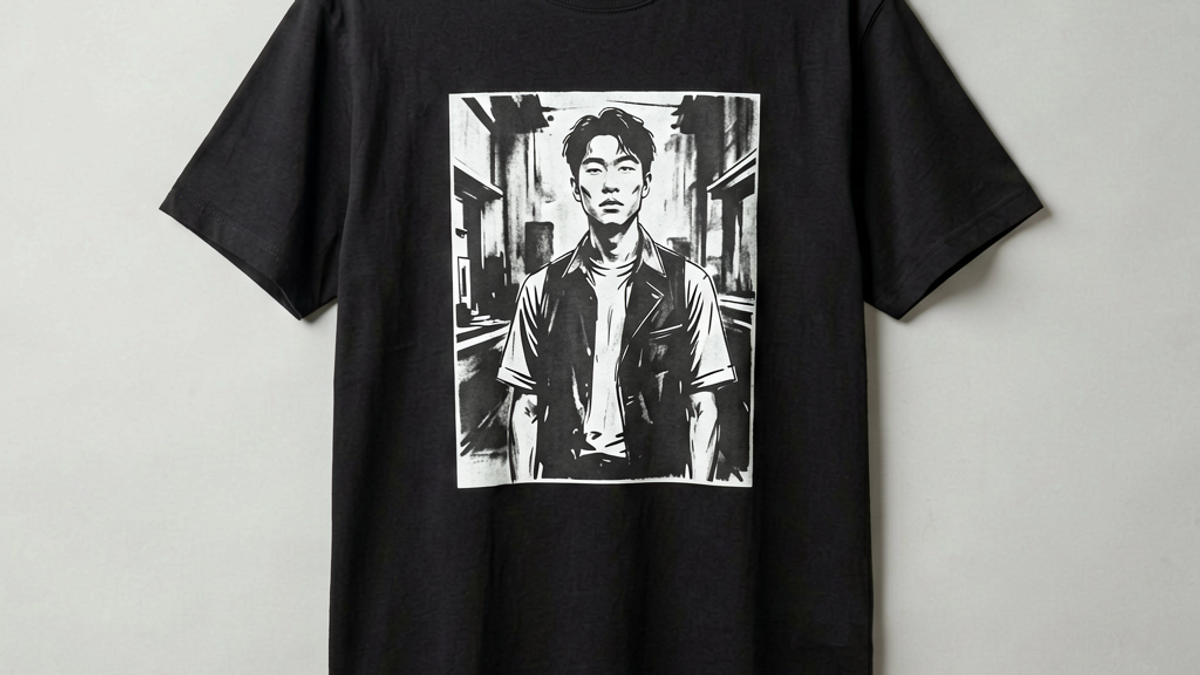
What Is a Streetwear Graphic Tee and Why Is It So Popular?
A streetwear graphic tee is a printed cotton T-shirt built on the visual codes of skate, hip-hop, and 1990s pop culture. It is defined less by the shirt itself than by the graphic — a screen...
Sylvie Vance
•
A streetwear graphic tee is a printed cotton T-shirt built on the visual codes of skate, hip-hop, and 1990s pop culture. It is defined less by the shirt itself than by the graphic — a screen print, a logo, a phrase, or a one-off illustration — and by the fact that the design is part of an ongoing series, drop, or brand universe rather than a one-off souvenir.
Most people who wear one are not making a fashion statement so much as signaling membership in a subculture. The shirt is the cheapest, loudest way to do that, which is why the format has outlasted almost every other streetwear silhouette since the early 1990s. The graphic tee is also one of the few garments that scales from a $30 indie drop to a $300 designer collab without changing the underlying category — the format is the same; the brand cachet, fabric weight, and print technique are what shift.
The short version of the history
Streetwear graphic tees emerged in the late 1980s and 1990s out of three overlapping scenes: skate brands in California (Stüssy, later Supreme), hip-hop labels out of New York and Atlanta (FUBU, Cross Colours), and the surf/skate crossover in Japan. Each scene used the tee as a billboard — the logo was the brand, the brand was the tribe. The shirt itself was almost incidental; what mattered was what was printed on it.
By the mid-1990s, graphic tees had escaped subculture and gone mainstream. By the 2000s, luxury fashion houses were collaborating with streetwear labels on capsule tees. By the 2010s, drops and limited editions made the tee a tradable commodity in its own right, and the format kept its shape into the 2020s largely because no other garment offers the same canvas at the same price.
Key design features that define the category
Four things make a tee read as a streetwear graphic tee rather than as a band shirt from a tourist stand:
Print placement and scale. Front chest prints, oversized back prints, and wraparound graphics are common. The print is treated as the entire product, not as decoration on a blank shirt.
Fabric weight and fit. Most streetwear tees sit at 180–240 GSM cotton, heavier than a basic undershirt. Fits range from boxy oversized to a clean regular fit — almost never body-skimming.
Color palette. Black, off-white, washed grey, and earth tones dominate. Loud prints get the color budget; the base shirt usually does not.
Drop structure. Many streetwear tees are sold as part of a numbered drop or seasonal capsule. Restocking is rare and restocks are part of the marketing, not the supply chain.
How it differs from a regular graphic T-shirt
A generic graphic T-shirt — the kind sold at theme parks, mall kiosks, and tourist shops — usually carries licensed artwork that is not original to the brand, on a thin basic tee, with no implied story beyond the print. A streetwear graphic tee does the opposite: the brand creates the print, the print references the brand's world, and the shirt itself is built to survive years of regular wear.
Price reflects the difference. A generic graphic tee might run $10–20; a streetwear graphic tee from a recognized label typically lands in the $30–80 range, with collab or limited drops pushing higher. The premium buys fabric, fit, original art, and the resale value of a known brand name.
The role of drops and limited releases
Drops are the mechanism that turned the graphic tee from a printed shirt into a cultural event. A drop is a coordinated release of a small batch — sometimes numbered, usually promoted in advance — that sells out in hours. The format rewards buyers who follow the brand closely and penalizes those who do not.
For brands, drops solve a problem that traditional retail cannot: they let a small label generate real demand without holding inventory. For buyers, drops create urgency, scarcity, and resale value. The tee itself becomes both clothing and an asset — which is part of why the format keeps its cultural weight even when the wider fashion industry moves on.
Why streetwear graphic tees are still a wardrobe staple in 2026
Three forces keep the format alive: the rise of independent direct-to-consumer streetwear brands, the maturation of drop-based retail, and the fact that no other garment combines self-expression, subculture signaling, and sub-$100 pricing quite as efficiently. The tee also pairs well with the post-2020 shift toward looser, more relaxed silhouettes — oversized fits read as intentional, where they used to read as sloppy.
For a buyer, the practical takeaway is that the streetwear graphic tee is no longer a niche. It is one of the few garments where you can spend $35 and end up with a piece that holds its own next to a $300 jacket. That ratio is the whole reason the format keeps growing.
Why the format survived the 2010s luxury takeover
When luxury fashion houses began collaborating with streetwear labels in the 2000s and 2010s, many predicted the graphic tee would be absorbed into a luxury fashion cycle and priced out of reach. That did not happen. Three forces kept the format accessible:
Direct-to-consumer economics. Independent brands selling through their own Shopify stores cut out wholesale and retail markup, keeping the indie price in the $30-60 range even as collab tees hit $200+.
Drop-based scarcity, not gatekeeping. Limited drops made tees feel exclusive without making them expensive. Buyers could access scarcity without paying luxury prices.
Resale markets scaling. Platforms like StockX and Grailed turned limited streetwear into liquid assets, which gave the format cultural and financial weight that pure fashion categories do not have.
The result is a format that has both mass-market accessibility and luxury-tier cultural cachet. Few garments in any category manage that combination.
Practical buying checklist for 2026
Before you add a streetwear graphic tee to cart, run through this short list:
Fabric weight. Aim for 180–220 GSM for everyday wear; above 240 GSM for statement pieces.
Print technique. Plastisol screen print for boldness and durability; water-based for a softer hand; DTG for complex artwork.
Brand transparency. The brand should publish where the tee is made, what cotton is used, and how prints are applied.
Design originality. Stock imagery, recycled graphics, and licensed characters are red flags. Original artwork is the entire point.
Fit and sizing. Always check the size chart in inches or centimeters; streetwear sizing varies more than basics.
Frequently Asked Questions
What counts as a streetwear graphic tee?
A printed cotton tee from a streetwear-coded brand — skate, hip-hop, surf, or design-led independent labels — where the graphic is original to the brand and the tee is part of a series, drop, or capsule. Generic licensed prints on thin shirts do not qualify.
Are streetwear graphic tees worth the price?
Yes, for most buyers. Fabric weight, original artwork, fit, and brand recognition combine to deliver a piece that lasts longer and holds resale value better than a generic graphic tee at the same price. The sweet spot for value is the $30–60 range.
How do I style a streetwear graphic tee?
Keep proportions simple — straight or wide-leg bottoms, low-top or chunky sneakers, no competing loud pieces. Let the tee be the loudest item in the outfit. Oversized tees pair best with structured pants; regular fits work with everything.
Where can I buy streetwear graphic tees online?
Brand-direct Shopify stores, curated streetwear marketplaces, and limited-edition drop platforms are the three most reliable channels. Brand-direct typically offers the best price and earliest access to new releases.
Free Shipping on All OrdersFree ReturnsNo Hidden Fees
 Sylvie Vance