When is Autism Awareness Day observed each year?
Observed annually on April 2, World Autism Awareness Day advocates for the rights, inclusion, and acceptance of autistic people as a natural neurovariation.
 Sylvie Vance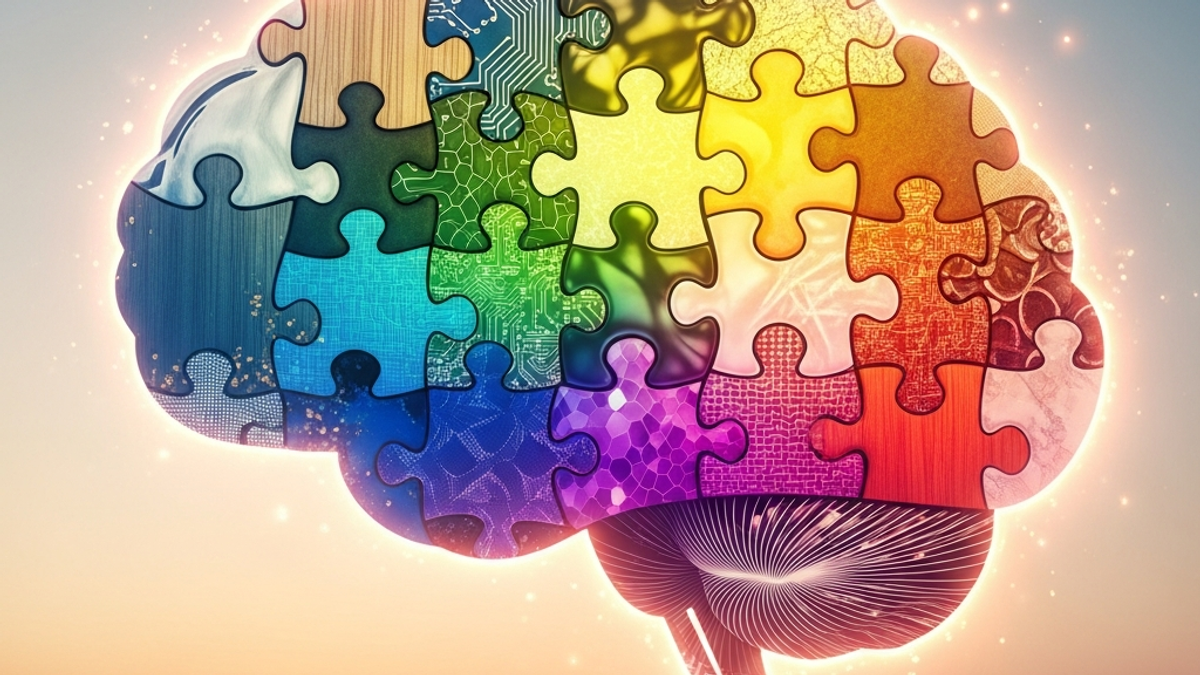
World Autism Awareness Day is observed annually on April 2. Designated by the United Nations General Assembly in 2007, this day serves as a global call for member states to take action in raising awareness of autism spectrum disorder (ASD) while promoting the inclusion, acceptance, and appreciation of autistic individuals in all facets of society (https://www.un.org/en/observances/autism-day). Beyond a single date, this observance highlights the ongoing, essential work of ensuring the full realization of human rights and fundamental freedoms for the autistic community worldwide.
### Why was this day established by the United Nations?
The United Nations established World Autism Awareness Day to address the global need for increased understanding and support for individuals with autism. By formalizing this observance, the UN aimed to mobilize international action to combat the stigma, discrimination, and isolation often faced by autistic people. The primary goal is to ensure that policymakers and the general public recognize that autistic individuals have the same fundamental rights as all others—including the right to education, employment, and full participation in community life (https://www.un.org/en/observances/autism-day).
### How has the focus shifted from "Awareness" to "Acceptance"?
In recent years, many organizations and advocates have shifted the terminology from "Awareness" to "Acceptance" or even "Appreciation." While awareness is necessary to ensure the public knows that autism exists, advocacy groups argue that acceptance—and eventually, inclusion—is the standard for meaningful social change. According to proponents of this shift, awareness merely highlights the existence of neurodivergence, whereas acceptance actively validates the lived experiences of autistic people and fosters an environment where they are not just tolerated, but valued for their unique contributions and perspectives (https://www.autismspeaks.org/world-autism-awareness-day).
### What is the significance of the "Neurodiversity" movement in this context?
The concept of neurodiversity is central to the modern discourse surrounding autism. It suggests that autism is not a condition to be "cured," but rather a natural variation of the human brain. This framework, supported by various advocacy groups and the Institute of Neurodiversity, focuses on creating accessible, inclusive systems that accommodate different ways of processing information and interacting with the world. By embracing neurodiversity, society can move toward universal design in education and the workplace, ensuring that environments are constructed to be supportive for everyone, regardless of their neurological profile (https://www.un.org/en/observances/autism-day).
### Key Takeaways
* **Annual Timing:** World Autism Awareness Day is observed every year on April 2.
* **UN Mandate:** The date was officially established by the United Nations in 2007 to advocate for the rights and inclusion of autistic individuals.
* **Evolution of Language:** The movement is increasingly prioritizing "Acceptance" and "Inclusion" over simple "Awareness" to better support the autonomy and dignity of the autistic community.
* **Framework of Neurodiversity:** Modern efforts focus on viewing autism as a natural variation of human neurobiology, emphasizing the need for systemic support rather than attempts at remediation.
Looking toward the future, the global dialogue is likely to continue moving away from medicalized views toward a human-rights-based model. We can expect future observances to place greater emphasis on intersectionality, specifically how autistic individuals experience health and social services differently based on race, gender, and socio-economic status.
The dedication of a specific day to global autism awareness remains a powerful tool for advocacy, but it is ultimately a benchmark for measuring our progress throughout the rest of the year. While we mark April 2 as a moment to amplify the voices of the autistic community, the real work lies in the daily commitments we make—in our schools, offices, and homes—to ensure that acceptance and inclusion are built into the fabric of our society. Are we creating spaces where every individual has the opportunity to thrive, or are we still expecting others to conform to a narrow definition of "normal"?
## References
* [World Autism Awareness Day - United Nations](https://www.un.org/en/observances/autism-day)
* [World Autism Awareness Day - Autism Speaks](https://www.autismspeaks.org/world-autism-awareness-day)
* [World Autism Awareness Day - Wikipedia](https://en.wikipedia.org/wiki/World_Autism_Awareness_Day)