Is the McDonald's caviar kit a real product or a hoax?
McDonald's caviar kit is a real, limited-edition marketing stunt born from an internet joke to generate earned media.
 Sylvie Vance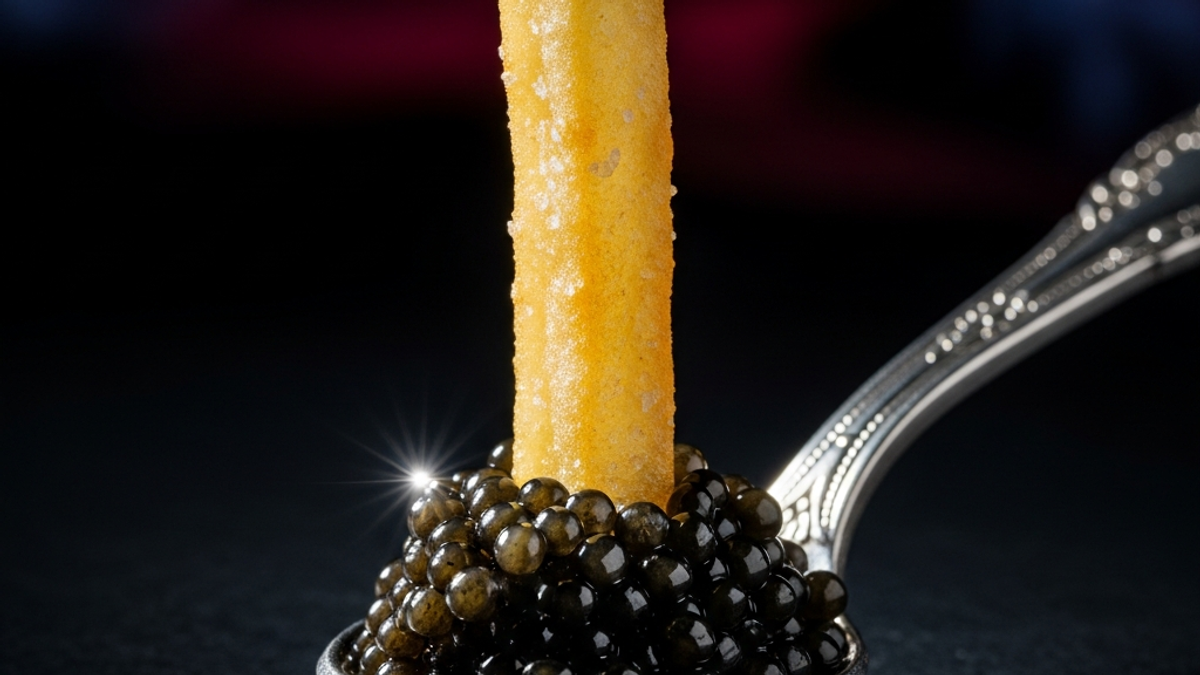
The McDonald's caviar kit is **a real, albeit highly limited and promotional, product**, born from an internet joke that the company officially brought to life for Valentine's Day (Axios). This fusion of high-end luxury and familiar fast food is not a permanent menu item but a targeted, exclusive marketing stunt designed to generate significant buzz and cultural relevance, leaving consumers eager to understand the mechanics behind this unexpected pairing.
### What exactly is the McDonald's Caviar Kit, and how did it originate?
The genesis of the McDonald's Caviar Kit stems from viral social media discussions, often surrounding ironic or humorous pairings of inexpensive staples with luxury items. McDonald's decided to turn this internet absurdity into a tangible, exclusive offering (Axios). The actual promotional kit is highly curated; it typically includes a tin of premium Baerii Sturgeon caviar, crème fraîche, and often a gift card or other associated items designed for an upscale, yet fast-food-themed, culinary experience (Yahoo! Lifestyle; FeedBlitz). Crucially, these kits are generally **not** available for standard purchase in restaurants but are released through specific online portals or targeted promotions, highlighting their scarcity from the outset (McDonald's Corporate).
### Why would a fast-food giant like McDonald's partner with premium ingredients like caviar?
McDonald's leverages this seemingly incongruous partnership as a powerful form of **Newsjacking and Experiential Marketing**. By introducing an item as unexpected as caviar, the company immediately generates earned media coverage across tech, food, and mainstream news outlets—far beyond what a typical seasonal promotion achieves (Axios). This strategy serves several key business objectives: it reinforces McDonald's ability to be culturally aware and responsive to internet trends, demonstrates brand agility, and drives high levels of engagement. Furthermore, associating the familiar Chicken McNugget with a luxury item briefly elevates the perception of the core product, positioning the brand as playful and innovative rather than purely utilitarian.
### How accessible is this promotional item, and what does its limited nature mean for brand perception?
Accessibility is intentionally low, which is central to the item’s marketing power. These kits are offered in extremely limited quantities and are often tied to specific, brief promotional windows, sometimes even requiring customers to use a dedicated website to claim them (McDonald's Corporate). This scarcity model is highly effective: it drives immediate traffic, creates a sense of "fear of missing out" (FOMO), and generates social media chatter from those who successfully obtained one versus those who missed out. While the general public cannot easily buy it, the resulting high volume of commentary and media coverage *about* the kit generates far more brand value than a widely available, low-margin product ever could. It trades widespread sales for concentrated cultural impact.
### Key Takeaways: Analyzing the Viral Strategy
This move by McDonald's is a masterclass in modern digital marketing execution, focusing on cultural relevance over mass distribution:
* **Reality Check:** The product is demonstrably real, though only available via specific, highly limited promotional drops.
* **Strategic Intent:** The primary goal is not revenue from the kit itself, but massive, cost-effective earned media coverage through absurdity and novelty.
* **Meme Economy:** McDonald's successfully monetized an internet joke, showing an acute understanding of current social media narratives.
* **Exclusivity Drives Demand:** By restricting access, the perceived value and newsworthiness of the standard menu items are temporarily amplified.
The future outlook for such stunts suggests an increasing trend where major brands will continue to use highly specific, "unobtainable" luxury crossovers to cut through advertising noise and dominate the cultural conversation for brief, intense periods.
## Conclusion
The McDonald's Caviar Kit saga offers a compelling look into the intersection of culinary expectation, digital culture, and aggressive content strategy. While the consumer seeking a quick, high-end bite at their local drive-thru will be disappointed, the brand successfully achieved its objective: dominating headlines by embracing an internet-fueled absurdity. For content strategists and marketers, this trend underscores that in the modern media landscape, the most valuable product is often not the one you sell the most of, but the one that sparks the most conversation.
## References
* https://www.axios.com/2026/02/02/mcdonalds-chicken-mcnuggets-caviar-valentines-day
* https://www.facebook.com/yahoolifestyle/posts/mcdonalds-and-caviar-mcdonalds-is-helping-customers-celebrate-valentines-day-in-/1258514126142513/
* https://feeds.feedblitz.com/~/944297276/0/atlonthecheap/
* https://corporate.mcdonalds.com/corpmcd/our-stories/article/mcdonalds-mcnugget-caviar-valentines-day.html
* https://www.wkyc.com/article/news/nation-world/mcdonalds-mcnugget-caviar-kit-how-to-get/507-9d623078-97fb-41ca-9840-dd41ef8566a2