Who Makes the Best Streetwear Graphic Tees in 2026?
The best streetwear graphic tee brands in 2026 are Supreme, Stüssy, Carhartt WIP, Brain Dead, Online Ceramics, Sporty & Rich, and Cactus Plant Flea Market — but the right pick depends on which...
Sylvie Vance
•
The best streetwear graphic tee brands in 2026 are Supreme, Stüssy, Carhartt WIP, Brain Dead, Online Ceramics, Sporty & Rich, and Cactus Plant Flea Market — but the right pick depends on which style tribe you actually wear. Want heritage and resale? Supreme. Want art-first drops? Brain Dead and Online Ceramics. Want a workwear edge? Carhartt WIP. Below, the brands worth your money, what each does better than everyone else, and the filter that tells you which will still matter in 2030.
The Eight Brands That Deliver in 2026
Ranked by vibe, not price. A $40 Carhartt WIP tee and a $150 Supreme tee are both correct answers for different reasons. Match the brand to the way you actually dress, not the way you wish you dressed.
Supreme — turned scarcity into streetwear's defining mechanic. Heavyweight, boxy, almost always the box logo or a collab print. Resale is high, restocks don't exist, and a Supreme tee in 2026 still does more cultural signaling per square inch than almost anything else on the market.
Stüssy — the original, founded 1980. Mid-weight tees, trim fit, hand-drawn typography or archival prints. Never over-collaborates, never chases trends, never discounts. The anchor of the category.
Carhartt WIP — the European workwear offshoot. Minimal military-utility aesthetic: small chest logos, discharged prints, slimmer cut than American workwear. Underpriced for the construction quality, with a European fashion audience that hasn't crossed to mainstream U.S. hype.
Brain Dead — founded 2014 by Kyle Ng and Ed Davis, fusing comic art, sci-fi, and absurdist graphic design into heavyweight oversized tees. The answer if your style tribe reads comics, watches horror, and wears wide-leg pants. Drops irregularly, so resale is thin.
Online Ceramics — art-school tees from a small NYC studio. Original artist work on heavyweight blanks, released in numbered drops that sell out in minutes. Wearable art objects more than fashion items.
Sporty & Rich — Emily Oberg's wellness-styled streetwear. Small chest logos, vintage-athletic typography, cleaner old-money aesthetic than most streetwear. Cut closer to a classic American tee — which is the point.
Cactus Plant Flea Market — Pharrell Williams' brand, defined by the four-eyed smiley and a willingness to be the weirdest thing in any collab. Medium-weight, often hand-finished, with chaotic layered graphics.
Stüssy-adjacent spiritual successors — Stamps, the current BAPE incarnation, and the second-generation NYC brands — round out the list because they carry the original streetwear DNA forward without the heritage-brand overhead. Stamps in particular has become a quiet favorite among people who wore Stüssy in 2010 and want the same sensibility with a different name on the chest.
What Separates a Great Streetwear Tee Brand From a Cheap One
The three filters that distinguish a real streetwear brand from a print-on-demand imposter are fabric, print technique, and design intent. All three are visible on a product page in ten seconds, and all three are missing from the brands out of business within a year.
Fabric weight — minimum 220gsm, ideally 240-280gsm. A brand that prints on a thin blank is saving $3 per tee and signaling to you that the print is the only thing they care about. Real streetwear brands care about the blank first.
Print technique disclosed and consistent. Plastisol for bold color, discharge for soft hand-feel, water-based for vintage fade, high-density for raised texture. A brand that prints seriously names the method on the product page.
Design intent visible in the cut and the color palette. Every brand has a lane — military, art-school, workwear, surf, athletic. The tees should look like they came from the same design brain, not a logo slapped on ten different blanks.
The brands that pass all three filters also tend to drop small, restock never, and discount never. That's a feature, not a bug. It means the tees hold value, the brand doesn't have a margin problem, and the tees you buy in 2026 will still look current in 2028.
Independent vs Mainstream: The Trade-Offs
Independent brands (Brain Dead, Online Ceramics, Sporty & Rich, CPFM) and mainstream-heritage brands (Supreme, Stüssy, Carhartt WIP) are not in competition with each other — they serve different reasons to buy. Knowing which trade-off you want is more useful than picking a winner.
Independents win on design originality and resale scarcity. A Brain Dead tee looks like nothing else on the street, drops a few times a year, and sells out fast. The trade-off: the brand might not exist in five years, the resale market is thin, and customer service is often just an Instagram DM.
Heritage brands win on longevity, global availability, and consistent quality. A Stüssy tee from 2010 still looks like a Stüssy tee from 2026, you can buy it in almost any city, and the brand has the infrastructure to handle returns and restocks. The trade-off: everyone has one, and the design language changes more slowly.
The right answer for most people is one of each. A heritage brand for the tees you wear twice a week and want to last five years. An independent brand for the statement pieces that carry the outfit when you want to be the loudest thing in the room.
How to Spot a Brand That Will Still Matter in Five Years
The brands that will still matter in 2031 share five traits. Use this as your filter the next time you're tempted to spend $80 on a tee from a brand you've never heard of.
Five years in business. Streetwear has a graveyard of one-good-year brands. Surviving 2020-2025 means a real supply chain, real customers, and a real design team. The five-year test filters out almost every over-hyped newcomer.
Never discount. A 50% sale a month after drop is a signal that the brand overproduced or doesn't have a real audience. The brands that will matter in 2031 are the ones whose tees hold full price at full price.
Restock selectively, not aggressively. Restocking is fine. Restocking every color every week is chasing volume, not maintaining scarcity. Real brands let popular items restock in small drops, not full reprints.
Recognizable design language without the logo. If you can identify the brand from the cut, the print style, and the color palette without seeing the chest logo, the brand has a real identity. If removing the logo makes the tee anonymous, the brand is selling a logo, not a product.
A real flagship or stockist list. A real streetwear brand has a physical store, a curated stockist network, or both. A brand that only sells direct-to-consumer from an Instagram account is one algorithm change away from disappearing.
The brands above all pass this filter. Apply it to any brand you're considering, and you'll wear a small fraction of what you'd otherwise buy — and wear those pieces twice as often.
Key Takeaways
The best streetwear tee brands in 2026 are Supreme, Stüssy, Carhartt WIP, Brain Dead, Online Ceramics, Sporty & Rich, Cactus Plant Flea Market, and the second-generation NYC brands. Each owns a distinct style tribe.
Rank by vibe, not price. A $40 Carhartt WIP tee and a $150 Supreme tee are both correct answers for different reasons. Match the brand to the way you dress, not the way you wish you dressed.
The three filters for any streetwear brand: heavyweight blank, named print technique, visible design intent. A brand missing any of these is selling a logo, not a product.
Independent vs mainstream is not a quality question — it's a trade-off question. Independents win on originality and scarcity. Heritage brands win on longevity and availability. The right answer for most people is one of each.
Five-year test beats hype. A brand that survived the last five years, doesn't discount, has a recognizable design language without a logo, and has a real stockist network will probably still matter in 2031.
Build Your Rotation With Intention
You don't need eight brands in your closet — you need two or three that you actually wear, plus one wildcard for when you want to be the loudest thing in the room. Pick a heritage brand for the tees you'll wear twice a week. Pick an independent brand for the statement pieces. Add one wildcard drop per year from a brand you've been watching but haven't bought from yet. That's the whole rotation, and it'll look more intentional than the closet full of $25 graphic tees that all blend together.
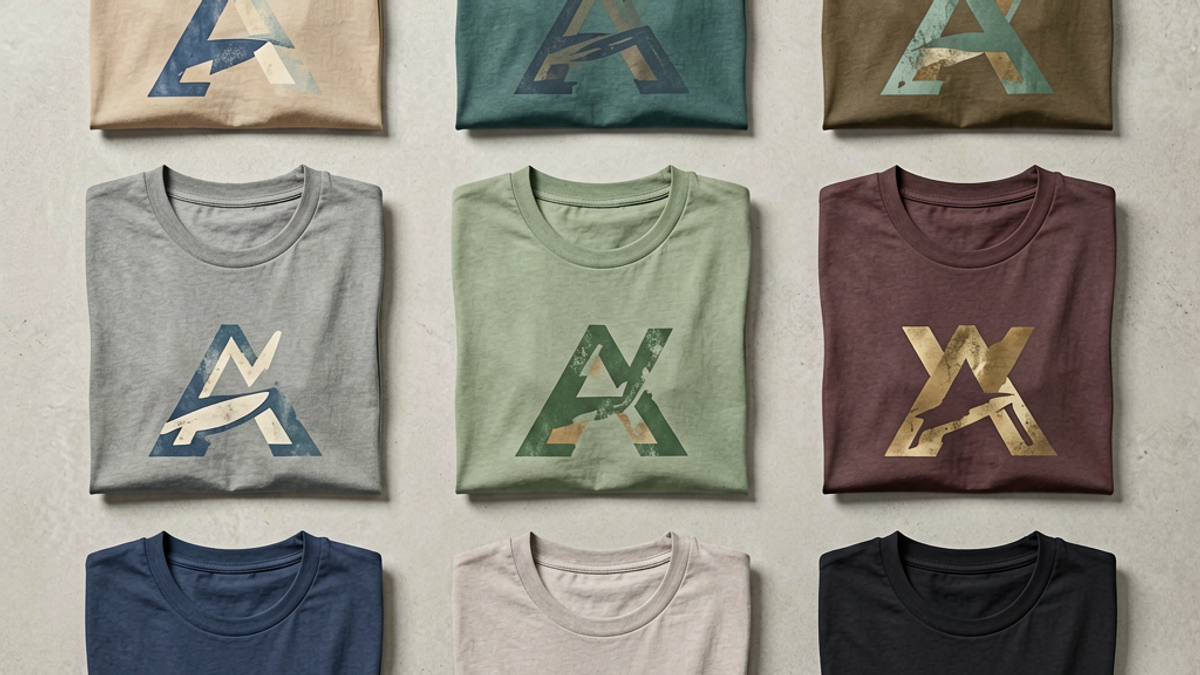
The Stryxen Studio collection sits squarely in the independent lane — heavyweight blanks, original prints, numbered drops, no discounts, no restocks — and the tees are built to be the wildcard piece in a rotation anchored by heritage brands. Pick one print that actually means something to you, build the three outfit formulas around it, and you've added a piece that will get worn for years, not months.
Frequently Asked Questions
What is the best streetwear brand for graphic tees in 2026?
The best streetwear brand for graphic tees in 2026 depends on the style tribe you wear. For heritage and resale, Supreme still sets the pace. For art-first drops, Brain Dead and Online Ceramics lead. For workwear-rooted minimalism, Carhartt WIP is the answer. For wellness-styled streetwear, Sporty & Rich is the brand. For loud chaotic graphics, Cactus Plant Flea Market is the move. Pick the tribe first, then the brand.
Are expensive streetwear tees actually worth the price?
Sometimes. A $150 Supreme or CPFM tee is worth it if you actually wear it, the print is original, and the blank is heavyweight. A $120 tee from a brand that marks up because of a logo and a thin blank is not. Price is a signal, not a guarantee. Check the fabric weight, the print technique, and the design intent before paying the premium.
How do I tell if a streetwear brand is legitimate?
Run the five-year test: has the brand been around at least five years? Do they ever discount? Do they restock selectively, not aggressively? Can you identify their tees from the cut and color palette without seeing the logo? Do they have a real flagship or stockist network? A brand that passes all five is a real streetwear brand. A brand that fails any of them is selling a moment, not a product.
What's the difference between independent and mainstream streetwear brands?
Independent brands (Brain Dead, Online Ceramics, CPFM, Sporty & Rich) win on design originality, scarcity, and the ability to be the loudest thing in the room. Mainstream heritage brands (Supreme, Stüssy, Carhartt WIP) win on longevity, global availability, and consistent quality. Neither is objectively better. The right answer for most people is one heritage brand for the wear-twice-a-week pieces and one independent brand for the statement pieces.
Frequently Asked Questions
What is the best streetwear brand for graphic tees in 2026?
It depends on the style tribe you wear. For heritage and resale value, Supreme still sets the pace. For art-first drops, Brain Dead and Online Ceramics lead. For workwear-rooted minimalism, Carhartt WIP is the answer. For wellness-styled streetwear, Sporty & Rich is the brand. For loud chaotic graphics, Cactus Plant Flea Market is the move. Pick the tribe first, then the brand.
Are expensive streetwear graphic tees actually worth the price?
Sometimes. A $150 Supreme or CPFM tee is worth it if you actually wear it, the print is original, and the blank is heavyweight cotton. A $120 tee from a brand that marks up because of a logo and a thin blank is not. Price is a signal, not a guarantee. Check the fabric weight, the print technique, and the design intent before paying the premium.
How do I tell if a streetwear brand is legitimate?
Run the five-year test. Has the brand been around at least five years? Do they ever discount? Do they restock selectively, not aggressively? Can you identify their tees from the cut and color palette without seeing the logo? Do they have a real flagship or a real stockist network? A brand that passes all five is a real streetwear brand. A brand that fails any of them is selling a moment, not a product.
What's the difference between independent and mainstream streetwear brands?
Independent brands (Brain Dead, Online Ceramics, CPFM, Sporty & Rich) win on design originality, scarcity, and the ability to be the loudest thing in the room. Mainstream heritage brands (Supreme, Stüssy, Carhartt WIP) win on longevity, global availability, and consistent quality. Neither is objectively better. The right answer for most people is one heritage brand for the wear-twice-a-week pieces and one independent brand for the statement pieces.
Who Makes the Best Streetwear Graphic Tees in 2026? | Stryxen Studio Blog
 Sylvie Vance