Can giant phantom jellyfish be found in U.S. waters or near American coasts?
The giant phantom jellyfish (*Stygiomedusa gigantea*) is confirmed to inhabit deep U.S. waters, with sightings increasing due to advanced submersible technology.
 Sylvie Vance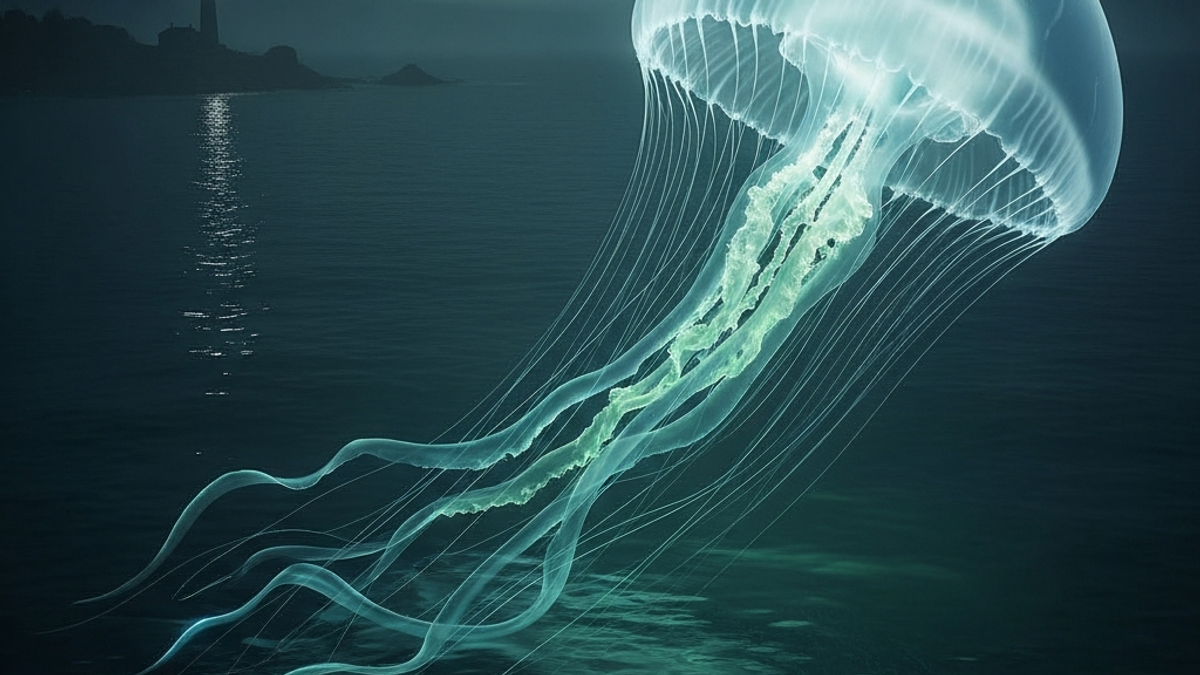
Yes, the giant phantom jellyfish (*Stygiomedusa gigantea*) can and has been found in U.S. waters, specifically off the West Coast. Multiple sightings have been documented by researchers exploring the deep waters of California's Monterey Bay (https://mashable.com/video/deep-sea-ocean-sighting-phantom-jellyfish). This enormous, deep-sea dweller, known for its crimson bell and long, ribbon-like oral arms, represents one of the planet's most mysterious creatures, making any confirmed sighting, especially near populated American coasts, a significant event for marine biology and public interest.
### How often are Giant Phantom Jellyfish sighted in Monterey Bay and along the U.S. West Coast?
Sightings of the giant phantom jellyfish along the U.S. West Coast, particularly in Monterey Bay, are rare but increasing due to advanced submersible technology. While the species is known to inhabit depths well below the surface, research operations utilizing Remotely Operated Vehicles (ROVs) have captured footage of this enormous jellyfish roaming the deep waters off California (https://mashable.com/video/deep-sea-ocean-sighting-phantom-jellyfish). Another deep-sea jellyfish, often confused with the phantom, has been filmed lurking in the depths of Monterey Bay (https://www.smithsonianmag.com/smart-news/colossal-crimson-jellyfish-spotted-by-monterrey-bay-scientists-off-california-coast-180979218/). Generally, these jellyfish are observed at depths ranging from about 260 to 920 feet (https://www.facebook.com/cnn/posts/scientists-off-the-coast-of-argentina-found-a-rare-giant-phantom-jelly-820-feet-/1277134027612579/), which is surprisingly close to the surface compared to other abyssal species, yet still far beyond casual observation. The increase in documentation, though not necessarily an increase in population, is attributed to the deployment of private submersibles and advanced research tools in these areas (https://www.nationalgeographic.com/animals/article/extremely-rare-phantom-jellyfish-caught-on-camera).
### What physical characteristics define the Giant Phantom Jellyfish, and why are they so rarely observed?
The giant phantom jellyfish is defined by its colossal size and unique morphology. It possesses a large, umbrella-shaped bell that can reach significant diameters, accompanied by four very long, ribbon-like oral arms that can extend for tens of feet—sometimes up to 33 feet (https://www.smithsonianmag.com/smart-news/colossal-crimson-jellyfish-spotted-by-monterrey-bay-scientists-off-california-coast-180979218/). The creature's striking crimson color also makes it notable against the dark backdrop of its habitat. The primary reason for its rare observation is its habitat: it is a deep-sea species, often dwelling hundreds of feet below the surface in the twilight or abyssal zones (https://www.popsci.com/environment/giant-phantom-jellyfish-spotted-deep-in-pacific/). Furthermore, their slow, deliberate movements and dark coloration make them difficult to spot even with advanced lighting, contributing to their mystique. They are one of the largest jellyfish in the world, yet their cryptic nature has historically kept them hidden from scientists.
### What does the increasing documentation of this deep-sea species mean for ocean biodiversity monitoring?
The increasing documentation of *Stygiomedusa gigantea* through submersible exploration signifies a major advancement in deep-sea biodiversity monitoring and our understanding of ocean ecosystems. Each confirmed sighting, whether off the U.S. coast or in regions like the Antarctic, is changing what scientists know about this elusive species, particularly the true breadth of its ocean habitat (https://www.nationalgeographic.com/animals/article/extremely-rare-phantom-jellyfish-caught-on-camera). These encounters provide crucial, albeit brief, data points on the geographic distribution and ecological role of a previously understudied apex predator in the deep ocean. The use of personal submersibles, while costly and accessible to a small group, is allowing researchers to survey areas previously unreachable, leading to discoveries that challenge previous assumptions about deep-sea life (https://www.nationalgeographic.com/animals/article/extremely-rare-phantom-jellyfish-caught-on-camera). This trend suggests that as technology improves, the catalog of known deep-sea fauna will continue to expand rapidly.
### Key Takeaways: Understanding the Deep-Sea Giant
* **U.S. Presence Confirmed:** The giant phantom jellyfish has been observed and filmed in U.S. waters, specifically off the coast of California in the Monterey Bay area.
* **Deep-Dwelling Nature:** It resides predominantly in the deep ocean, typically between 260 and 920 feet, making direct human encounters extremely unlikely.
* **Physical Scale:** It is one of the world's largest jellyfish, characterized by a deep red color and very long, trailing oral arms.
* **Technological Driver:** Increased documentation is a direct result of deploying more advanced, often expensive, submersible and ROV technology into the deep ocean.
This growing visibility suggests that while the ocean depths remain largely unexplored, technological investment is rapidly closing the knowledge gap on these unique, massive invertebrates. Future monitoring efforts will rely heavily on sustaining these deep-sea research initiatives to fully map the range and behavior of creatures like the giant phantom jellyfish.
---
The recurring glimpses of the giant phantom jellyfish, whether near American coasts or across the global oceans, serve as a potent reminder of how much of our planet remains fundamentally unknown. These deep-sea giants, captured momentarily by the lights of ROVs, compel us to consider the vast, fragile ecosystems thriving outside the reach of sunlight. For scientists, they represent exciting new data points; for the public, they are symbols of the ocean’s enduring mystery and the critical need to fund and prioritize deep-sea exploration before these remote habitats are impacted by human activity.
## References
* https://mashable.com/video/deep-sea-ocean-sighting-phantom-jellyfish
* https://www.smithsonianmag.com/smart-news/colossal-crimson-jellyfish-spotted-by-monterrey-bay-scientists-off-california-coast-180979218/
* https://www.popsci.com/environment/giant-phantom-jellyfish-spotted-deep-in-pacific/
* https://www.nationalgeographic.com/animals/article/extremely-rare-phantom-jellyfish-caught-on-camera
* https://www.facebook.com/cnn/posts/scientists-off-the-coast-of-argentina-found-a-rare-giant-phantom-jelly-820-feet-/1277134027612579/