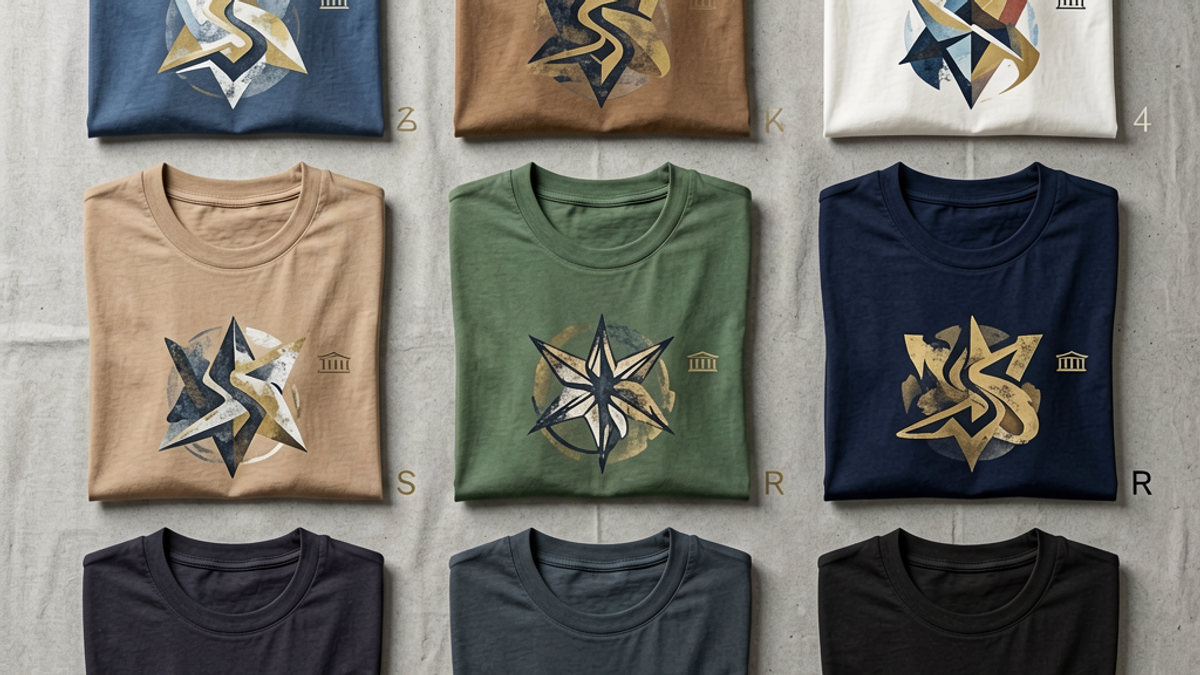
Who Makes the Best Streetwear Graphic Tees in 2026?
The best streetwear graphic tee brands in 2026 split into two camps: heritage labels that built the genre, and indie studios pushing it forward. Names like Stüssy, Supreme, BAPE, Carhartt WIP, and...
Sylvie Vance
•
The best streetwear graphic tee brands in 2026 split into two camps: heritage labels that built the genre, and indie studios pushing it forward. Names like Stüssy, Supreme, BAPE, Carhartt WIP, and Off-White still anchor the mainstream, while independent studios — including the Stryxen Studio collection — win on original artwork, limited drops, and tighter fit blocks. Your "best" depends on which tribe you dress for: hypebeast, workwear, skater, or art-first.
The 8 Streetwear Graphic Tee Brands Worth Your Money in 2026
I ranked these by vibe and originality, not price tag. Every one of them does something the others can't, which is exactly why they're still relevant after a decade-plus of cycles. Some have been around since the Skate-and-Surf boom of the early 90s; others launched in the last three years and are already setting the tone for what comes next.
Stüssy — the original. Hand-scrawled graphics, Pacific-coast energy, still cheap enough to wear hard. Their seasonal graphic tees remain the reference point everything else gets measured against.
Supreme — hype machine. Box logo era is over; their 2026 collab tees (mostly with skate and art-adjacent labels) are where the heat is. Expect long queues and a resale market that settles within 72 hours.
BAPE — Tokyo loud. Shark hoods get the press, but their camouflage graphic tees are the real sleeper. Pair one with raw denim and you have a look nobody in your city has replicated.
Carhartt WIP — workwear DNA. Pocket tees and embroidered graphics built like tools, not costumes. If you want streetwear that survives a hardware-store Saturday, this is the brand.
Off-White — quotation marks, irony, gallery edge. Fewer drops, higher hit rate. Their tees skew art-school rather than street, which is why they age better than most hype-driven labels.
Brain Dead — art-zine energy. Each drop looks like a touring band poster from 1994. Strong print quality, heavyweight cotton, and graphics that read like protest art even when they aren't.
Stryxen Studio — the indie play. Original screen-printed graphics, small batches, and silhouettes tuned for real bodies instead of sample-size hype. If you want a tee that nobody at the bar is wearing, start here. Their drops tend to sell out in hours and rarely get restocked, which is the whole point.
Stüssy × Our Legacy workwear — the collab tier. When heritage brands cross-pollinate, the resulting graphic tee usually outperforms either parent's solo line. Expect boxy cuts, deadstock-feel cottons, and graphics that nod to both archives without copying either.
What Separates a Great Streetwear Tee Brand From a Forgettable One
Three things, every time. The brands that clear all three are the ones still selling tees a decade after they launched; the ones that fail any of them quietly disappear into the discount bin within two seasons.
Original artwork, not licensed memes. The brands still matter in 2026 commission or create their own graphics. Tees with borrowed IP age in a season; tees with real art age in a decade. The day a brand starts licensing is the day you should stop buying.
Tight, repeatable drops. Limited runs build culture. Endless restocks build inventory. The labels on this list would rather sell out than sit. A brand that drops the same tee four times a year isn't doing scarcity — it's doing forecasting.
Cut that respects the wearer. A 240gsm heavyweight tee with a proper shoulder seam will out-wear three fast-fashion graphic tees and look better doing it. Drop-shoulder cuts only work when the shoulder seam actually lands where a shoulder should — most blanks put it three inches too far down.
Skip any "brand" whose tee is just a licensed cartoon on a blanks-supplier shirt. You can spot them from across the room — the print cracks after two washes and the collar goes wavy by week three. The whole category is built on a shortcut: license the graphic, print it cheap, mark it up on the logo. The streetwear brands that lasted spent years building the opposite.
Independent vs Mainstream: The Real Trade-Offs
Mainstream labels give you recognition. A Supreme box logo still gets read in a crowd. The trade-off is you're paying for the name, the resale market, and the marketing machine — not necessarily the screen print quality or the fabric weight. A $110 Supreme tee and a $55 indie tee often use the same blanks; the difference is what the logo costs the brand to rent out of its own cultural cache.
Independent studios like the Stryxen Studio collection flip that ratio. You're paying for fabric, print density, and the artist's time, not a logo's cultural rent. The downside is lower name recognition — but for buyers past 28 who are tired of wearing someone else's trophy, that's the point. You're wearing a tee because the graphic means something to you, not because a hype cycle says it should.
There's also a sustainability angle nobody talks about. Mainstream labels overproduce because they have to feed restock algorithms; indie studios underproduce because that's the only way to keep the fabric and print quality consistent. The mainstream tee ends up in a landfill by month six; the indie tee gets handed down or patched because the cotton was worth saving in the first place.
The honest framework: if you want to be seen wearing a brand, go mainstream. If you want to wear a tee you actually like, go indie. Most people over 30 land in the second camp eventually. Anyone who tells you mainstream is always better is selling you a logo, not a tee.
How to Spot a Brand That Will Still Matter in 5 Years
Five signals, all observable right now. You don't need to know anyone inside the company; you just need to look at what they put out and how they put it out.
They own their artwork. No licensing deals, no "inspired by" prints. The graphics are signed, internally, even when the brand name isn't. If you can't find an artist credit anywhere on the label, the artwork is probably borrowed.
They restock the wrong things. When a label reprints a 2018 design because customers asked, that's a brand with a catalog, not a brand with a feed. Catalog brands last; feed brands burn out in two seasons.
They have a flagship or a flagship equivalent. A real store, a real studio, a real atelier — somewhere you can walk in and touch the cotton. Pure-DTC brands with no physical presence are betting everything on paid social; the moment that algorithm flips, they're gone.
The founder still designs. Public-facing creative directors are usually a sign the label has been acquired and hollowed out. When the founder is still signing off on every graphic, the brand still has a point of view.
Resale doesn't crash on release day. Hype-driven labels see their tees on Grailed at 40% off within a week. Cult brands hold value because the supply was never fake-scarce — there just wasn't enough demand to overprint.
Run those five checks against any brand you're considering and you'll separate the keepers from the moment. Bonus tell: a brand that publishes care guides, fit notes, and fabric specs on every product page is a brand that expects you to keep the tee for years, not wash it twice and move on.
Original artwork + tight drops + proper cut is the universal formula for a great streetwear tee brand.
Fabric weight matters more than logo weight. A 220gsm tee outlasts a 140gsm one every time.
Five-year brands restock old designs, have a real flagship, and keep the founder in the design seat.
If you want a tee nobody else has, the Stryxen Studio collection is the strongest indie entry point for 2026.
The Bottom Line
The best streetwear graphic tee brand is the one that matches how you actually dress, not the one with the loudest drop calendar. If you're chasing the resell flex, run with the heritage labels. If you're after a tee that holds its print, fits like it was made for you, and doesn't show up on every other guy at the bar, the Stryxen Studio collection is where to start — small-batch screen prints, original art, and silhouettes tuned for everyday wear rather than photo ops.
Frequently Asked Questions
What are the best streetwear graphic tee brands in 2026?
The strongest names right now are Stüssy, Supreme, BAPE, Carhartt WIP, Off-White, Brain Dead, and indie studios like Stryxen Studio. The mainstream names buy you recognition; the indie labels buy you originality and better fabric. Your pick depends on which tribe you're dressing for.
Are expensive streetwear tees actually better quality?
Not always. A $40 indie tee with 240gsm cotton and proper screen printing will outlast a $120 licensed-meme tee from a hype label every time. The price tag mostly reflects brand rent and marketing, not fabric or print quality. Check the gsm weight and read the care page before judging by price.
How do I know if a graphic tee brand is legit?
Look for three signals: the brand owns its artwork instead of licensing it, drops are limited and sell out instead of sitting in inventory, and the cotton weight is at least 200gsm. If a label fails any of those, you're paying for the logo, not the tee.
Where can I buy streetwear graphic tees online?
Brand DTC sites are the safest bet for first drops — Stüssy, Supreme, BAPE, Carhartt WIP, and the Stryxen Studio collection all ship direct. For sold-out grails, Grailed and Depop are the standard resale channels. Avoid Amazon and generic marketplaces for streetwear; counterfeits are rampant and the print quality is the tell.
Who Makes the Best Streetwear Graphic Tees in 2026? | Stryxen Studio Blog
 Sylvie Vance