What Is a Retro Vintage Graphic Tee and Why Does It Never Go Out of Style?
A retro vintage graphic tee is a t-shirt printed with imagery styled to look like it's from a previous decade — usually the 1970s, 80s, or 90s — through intentional fading, distressed printing,...
Sylvie Vance
•
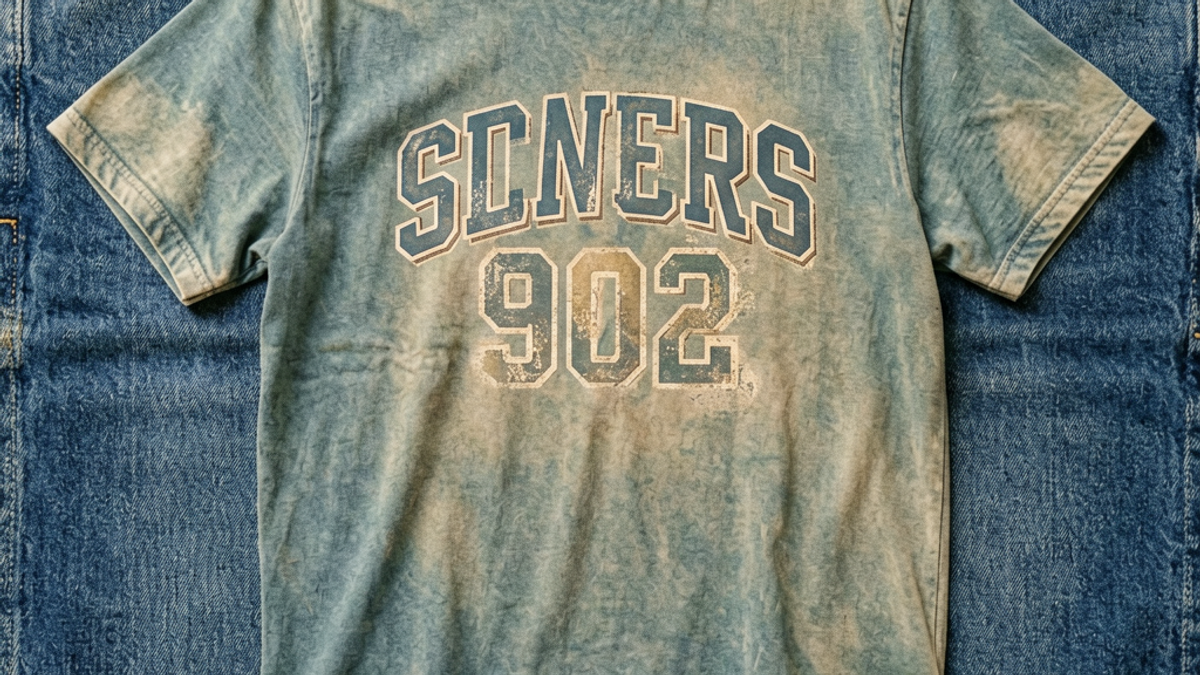
A retro vintage graphic tee is a t-shirt printed with imagery styled to look like it's from a previous decade — usually the 1970s, 80s, or 90s — through intentional fading, distressed printing, period-accurate typography, and soft-hand cotton. The category has survived every trend cycle since the early 2000s because it sells something fast fashion can't manufacture: the feeling of a piece that already has history.
Key Takeaways
"Vintage" usually means styled-to-look-old, not actually old — authentic vintage tees are a different (rarer) category.
Distressing is a craft, not an accident — good retro tees are aged intentionally with garment dye, enzyme washes, or careful print cracking.
The era being referenced matters — 70s rock, 80s athletic, 90s skate each have distinct visual codes.
Soft-hand cotton is the fabric signal — heavier weight with a brushed, broken-in feel.
Retro vintage tees age well because they already look aged — paradoxically, they hold visual interest longer than crisp new prints.
What "Retro Vintage" Actually Means
The phrase does two jobs and most buyers don't separate them. Authentic vintage means a tee manufactured in the era it references — actual 1970s band tees, real 1980s sportswear, original 1990s skate graphics. These are scarce, expensive, and almost always sold by specialist resellers or in thrift stores with luck and patience. Retro vintage means a new tee designed to evoke a previous era through styling choices — faded ink, soft-hand fabric, distressed hems, period typography. Both are valid; they just aren't the same product.
The retro vintage category dominates because authentic vintage is a supply-constrained niche. A label can't scale authentic 1975 tees — there are only so many. But they can design new tees that hit the same visual notes, which is where most buyers actually shop. The best retro vintage tees do this honestly: they age the fabric intentionally, choose era-correct typography, and reference period-specific iconography rather than vague "old" aesthetics.
The Three Eras That Dominate
Three eras dominate the retro vintage graphic tee market, each with distinct visual codes. 1970s: warm color palette (mustard, rust, cream), hand-drawn illustration, rock-and-roll typography, faded photographic prints. Think classic rock band merch, tour posters, and faded americana. 1980s: high-contrast neon, geometric type, athletic-inspired graphics, big silhouettes. Think marathon tees, early hip-hop merch, and aerobics-era branding. 1990s: distressed everything, oversized fits, ironic photographic prints, brand-coded iconography. Think skate brands, thrift-store aesthetics, and the earliest streetwear labels.
A well-styled retro vintage tee commits to one era. Pieces that mash 70s typography with 90s distressing and 80s neon look confused rather than intentional. The era choice also signals the subculture — a 70s-rock retro tee reads as classic Americana, a 90s-skate retro tee reads as streetwear native. Pick the era that matches the rest of your closet, not the one trending this season.
The Craft Behind Real Retro Vintage Tees
Genuine retro vintage graphic tees require four production choices most buyers never see. Garment dye: the tee is dyed after sewing, which gives the uneven faded color authentic vintage tees have. Enzyme wash: a biological wash that breaks down surface fibers, creating the soft broken-in hand-feel. Discharge or water-based ink printing: real vintage tees had inks that faded with washing, so the print should already look slightly worn. Period-correct construction: tubular bodies, single-stitch hems, T-shirt cuts that match the era rather than contemporary fits.
When a brand skips these steps and just prints a vintage-looking graphic on a modern tee, the result is costume rather than retro. The shirt looks new because it is new, even if the artwork suggests otherwise. Buyers who care about the category learn to spot the difference fast: hand-feel, weight, stitching, and how the print sits on the fabric. A real retro vintage tee feels like it's been in your drawer for ten years the first time you put it on.
When Retro Vintage Is the Right Choice
Retro vintage graphic tees work for buyers who want a closet that looks collected rather than bought. They're especially good for layering under flannels, chore coats, and denim jackets because the slightly faded fabric plays well with the texture of those outerwear pieces. They also work for buyers who want their graphic tees to disappear into a broader vintage-inspired wardrobe — raw denim, leather boots, broken-in sneakers.
They don't work for buyers who want their graphic tees to be the loudest thing in the room. Retro vintage is intentionally understated — the faded prints, the soft-hand fabric, the period typography all pull toward quiet rather than loud. If you want a graphic tee that announces itself, look at high-contrast or pop art pieces instead. If you want one that feels like it's always been part of your closet, retro vintage is the right call.
How Retro Vintage Differs from Fast Fashion Distressing
There's a difference between a retro vintage graphic tee that has been intentionally distressed and a fast-fashion graphic tee with printed-on fake aging. The retro piece achieves its look through production choices — garment dye, enzyme wash, discharge printing, soft-hand cotton. The fast-fashion piece achieves the look through printing a faded image on a regular cotton blank. The first one feels aged because it is, structurally, aged. The second looks aged in the photo only; in person it feels and behaves like a brand-new shirt.
The fast-fashion version is cheaper, which is part of why it dominates mall retail. But it fails the moment you put it on. The print sits on top of the fabric rather than in it; the cotton doesn't have the broken-in hand-feel; the stitching is conventional modern construction. Anyone who has handled both can tell the difference in five seconds. The retro vintage piece feels like it has history; the fast-fashion version looks like it's trying to convince you it has history.
For buyers building a vintage-inspired wardrobe, the production choices matter more than the surface aesthetic. A retro vintage graphic tee should feel different in your hands than a regular graphic tee — softer, slightly heavier, with a print that has presence without sitting on the surface. If the tee doesn't feel different in hand, it's probably the fast-fashion version with good photography.
The deeper point: retro vintage graphic tees work because they're honest about being new. The aesthetic is borrowed, but the construction is current. Fast fashion tries to fake age through surface tricks; quality retro vintage earns the look through production discipline. The two products look similar in thumbnails and feel completely different in person. Buyers who care about the category learn to spot the difference quickly.
How Retro Vintage Fits Into a Modern Wardrobe
Retro vintage graphic tees slot into modern wardrobes more easily than buyers expect. The faded aesthetic plays well with raw denim, broken-in leather, canvas sneakers, and unstructured outerwear — the same pieces that anchor most contemporary streetwear rotations. A retro vintage tee with selvedge denim and well-worn boots reads as intentional; the same tee with pristine white sneakers and a structured jacket reads as costume.
The era you choose matters for wardrobe integration. 70s-rock coded retro vintage pairs naturally with denim, leather, and earth tones. 80s-athletic coded pieces pair with nylon outerwear, windbreakers, and technical sneakers. 90s-skate coded retro vintage pairs with baggier silhouettes, skate shoes, and graphic hoodies. Picking the era that matches your existing wardrobe makes integration seamless; mismatching the era against your closet is what creates the costume effect.
For buyers building a rotation around retro vintage tees, two or three pieces from a single era is usually enough. Mixing eras creates visual noise; committing to one era creates a coherent aesthetic. Stryxen Studio and a handful of independent labels design retro vintage drops with era commitment in mind, producing pieces that integrate with modern wardrobes rather than fighting them.
The Bottom Line
Retro vintage graphic tees sell the feeling of history, not the history itself. The category works because authentic vintage is scarce and the styling cues — garment dye, enzyme wash, period typography, era-correct construction — are repeatable at scale. The best pieces commit to one era and do the craft work that makes them feel authentic. For buyers building a wardrobe that looks collected rather than bought, the Stryxen Studio collection includes retro vintage drops designed with the same production filters.
Frequently Asked Questions
What is a retro vintage graphic tee?
A retro vintage graphic tee is a new t-shirt designed to evoke a specific past decade — usually the 70s, 80s, or 90s — through intentional fading, distressed printing, period typography, and soft-hand cotton. It is not the same as authentic vintage, which means a tee actually manufactured in that era.
How do you tell if a vintage tee is real or repro?
Authentic vintage usually has single-stitch hems, tubular body construction, and prints that have aged naturally. Repro retro vintage tees achieve similar effects with garment dye, enzyme washes, and discharge ink. Both can look good; only authentic vintage has actual history. Check stitching, fabric weight, and how the print sits on the cotton.
Are retro vintage tees still in style?
Yes — the category has cycled every 8–12 years since the early 2000s and never fully goes out. Right now the strongest demand is for 90s-inspired pieces (skate, hip-hop, streetwear codes), with 70s rock references in second place. The style is forgiving because the aesthetic already looks aged.
What fabric weight works best for retro vintage tees?
Heavier weights (200–240 GSM) with a soft, broken-in hand-feel. Retro vintage tees should drape like they've already been washed fifty times. Lighter weights look new even after distressing, which breaks the illusion.
Free Shipping on All OrdersFree ReturnsNo Hidden Fees
 Sylvie Vance