How Do You Wear a Graphic Tee to a Concert Without Looking Basic?
Wear a graphic tee to a concert without looking basic by treating the graphic as part of an intentional outfit, not as a costume. The mistake most people make is wearing the band's own merch tee...
Sylvie Vance
•
Wear a graphic tee to a concert without looking basic by treating the graphic as part of an intentional outfit, not as a costume. The mistake most people make is wearing the band's own merch tee with no other styling — which makes you look like you bought it at the door. The fix is layering, fit, and a graphic that isn't the headliner. The tee should feel like your style with the concert as the occasion, not the other way around.
Key Takeaways
Don't wear the headliner's merch unless it's a piece you actually love — otherwise it reads as costume.
Layer the tee under a jacket or overshirt — instantly elevates the outfit and adds practical warmth for outdoor venues.
Fit matters more at a concert than anywhere else — you'll move, sweat, and stand for hours; baggy fits breathe, tight fits don't.
Sneakers that can take damage — broken-in pairs, not pristine white leather.
— practical concerns most buyers skip until they're at the venue.
A small bag and a clear phone strap
The "Don't Wear the Headliner's Tee" Rule
Wearing the band's own merch tee to their concert is the fastest way to look basic — not because the tee is bad, but because everyone else had the same idea. The merch table is right there; 30% of the audience buys something on the way in; the look becomes a uniform instead of a style. If you genuinely love the merch and own it already, wear it. If you're buying it the night of just to wear it, save it for the next show.
The alternative is wearing a graphic tee that fits your taste — a piece from your own collection, or a tee from a different band, a designer label, or an independent streetwear brand. The graphic doesn't need to reference the headliner; it just needs to read as a deliberate choice. That distinction is what separates an outfit from a costume. Stryxen Studio, for example, produces graphic tees that read as wearable design rather than merch — pieces that work at concerts because the graphic is the point, not the occasion.
Layering for Concert Venues
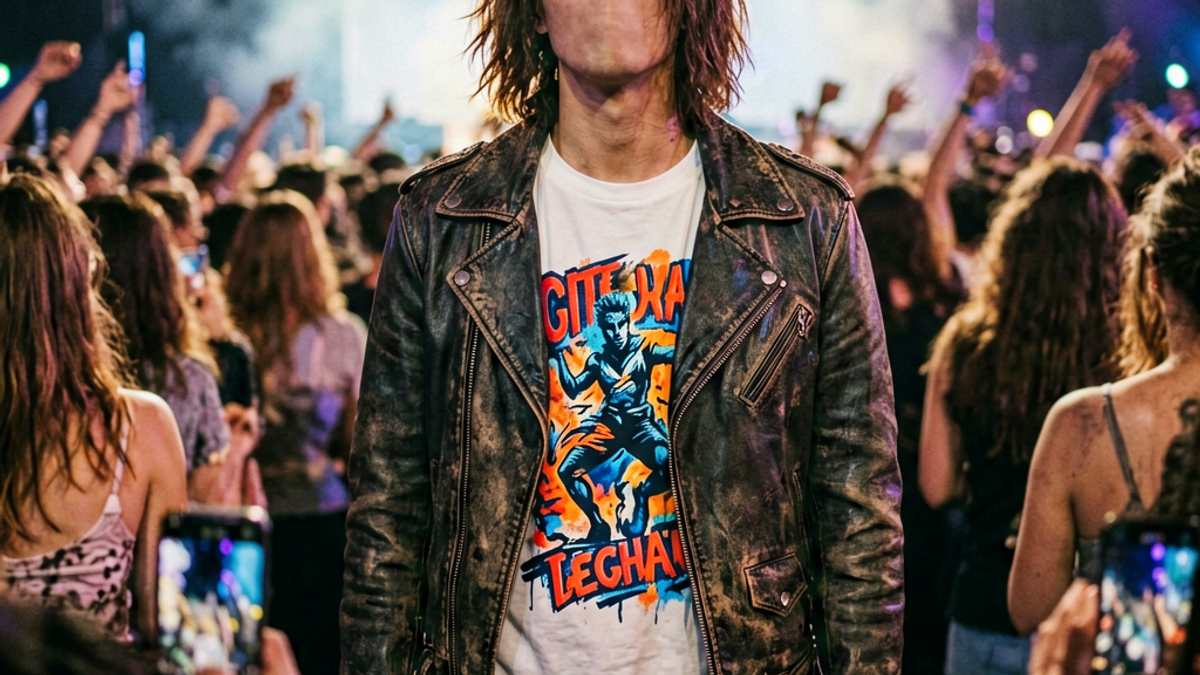
Layering is the highest-leverage styling move for concerts. A graphic tee alone works for indoor venues and summer outdoor shows. For cooler weather, outdoor venues, or venues with security checks (where you might wait in line for an hour), layering solves both style and practical problems at once. The reliable layers: denim jacket (most universal, adds weight and structure), flannel shirt (warm, slightly more casual, works for indie and rock shows), chore coat or overshirt (modern streetwear look, good for hip-hop and electronic shows), leather jacket (for punk, rock, and any show with attitude).
When layering a graphic tee, the tee should be the visual lead and the layer should support. That means: solid-color or subtle-pattern layer in a neutral tone, tee with a graphic that pops against it. Avoid wearing two loud pieces; the visual noise reads as chaos, not style. The graphic tee is the statement; the layer is the framing.
Fit and Comfort
Concerts demand more from a tee than almost any other occasion. You'll stand for 2–4 hours, move through crowds, possibly dance, and likely sweat. Fit choices that read as fashionable but fail in practice: tailored tees (restrictive), cropped tees (ride up), thin fabric (shows sweat, tears on contact). Fit choices that work: regular fit or slightly relaxed (movement and breathability), heavyweight cotton (drapes well, hides sweat), oversized fit (most movement, most breathability, requires styling work to look intentional).
The fabric matters as much as the fit. Lightweight cotton (under 160 GSM) gets see-through with sweat, clings when wet, and tears on contact in crowds. Heavyweight cotton (180+ GSM) handles all three better. The added weight also drapes better over movement, which makes the tee look better in photos. Most premium streetwear tees are heavyweight for this reason.
Footwear and Practical Choices
Concert footwear needs to handle crowds, sweat, beer spills, and hours of standing. Broken-in sneakers (sneakers you've worn 30+ times) are the right call — they look better the more worn they are, and a concert won't ruin them. Boots (combat, work, or hiking styles) work for outdoor venues and rougher crowds. Avoid pristine white leather sneakers — they'll come home looking like you walked through a bar. Avoid brand-new shoes of any kind — concerts are not the venue to break in footwear.
Practical accessories that most buyers forget: a small crossbody bag or belt bag for phone, wallet, and keys (regular pockets aren't enough and a backpack is annoying in crowds); a clear phone strap or wrist strap for hands-free use and theft prevention; earplugs (the high-fidelity kind, not the foam ones) for hearing protection without losing sound quality. None of these affect style, all of them affect how the night goes.
What the Outfit Actually Looks Like
A reliable concert outfit: graphic tee (your own design, not the headliner) in regular or relaxed fit, heavyweight cotton, with a graphic that fits your style. Bottom: raw denim, black jeans, or cargos depending on venue and weather. Layer: denim jacket, flannel, or overshirt in a solid color. Footwear: broken-in sneakers or boots. Bag: small crossbody. Optional: hat or beanie for indoor venues with bad lighting, sunglasses for outdoor day shows.
That formula works for indie, rock, hip-hop, electronic, and most pop shows. Specific tweaks: punk and metal shows lean toward black tee, boots, leather jacket. Hip-hop shows lean toward baggier fits, statement sneakers, more visible branding. Electronic shows lean toward technical fabrics, monochromatic palette, statement outerwear. The base formula stays; the specific pieces shift with the genre.
What to Skip at Concerts
Just as important as what to wear is what not to wear. Certain choices cause most concert outfit failures. The headliner's merch tee (covered above) is the biggest single mistake. Brand-new shoes: breaking in footwear at a concert guarantees blisters. Pristine white leather sneakers: they'll come home ruined. Tailored or cropped tees: restrictive in crowds. Heavy outerwear without a tie or closure: lost in general admission, picked up by the wrong person in tight spaces. Expensive accessories: a target for pickpockets in dense crowds.
Unsecured phone and wallet: pockets aren't enough. Phone straps or wrist straps are cheap insurance. Heavy boots with no break-in time: you'll be standing for hours; blisters ruin the night. Strong perfume or cologne: indoors, scent concentrates; outdoors, it mixes badly with crowd sweat. Anything you'd be devastated to lose: the risk-reward of wearing your most expensive pieces at a concert isn't worth it.
The list isn't meant to scare — most concerts go smoothly. But the cost of a preventable mistake is high enough that the conservative choices pay off. Wear pieces you can stand to lose or damage, in cuts that handle movement, in colors that don't show every spill. The night is for the music; the outfit should support that, not compete with it.
For buyers who treat concerts as a recurring occasion, building a small "concert kit" pays off: a designated pair of broken-in sneakers, a designated graphic tee, a designated crossbody bag, a phone strap, earplugs, and a small microfiber cloth for spills. The kit lives in a drawer ready to grab; the decisions are pre-made. That kind of preparation turns concert outfits from stressful into automatic.
The Bottom Line
Wearing a graphic tee to a concert without looking basic comes down to three things: pick a graphic that's yours, not the headliner's; layer with intention; choose footwear and accessories that handle the venue. The tee is the easiest piece to get right at a concert — it's the rest of the outfit that most buyers skip. For graphic tees designed to work across occasions (concerts, streets, casual workplaces), the Stryxen Studio collection builds every drop around versatility and longevity, not single-event merch.
Frequently Asked Questions
Is it OK to wear a band's merch tee to their concert?
Yes, if you already own it and genuinely love the design. No, if you're buying it the night of just to wear it. Wearing the merch everyone else bought at the door reads as costume, not style. Wear a graphic tee from your own collection that fits your taste instead.
What should I wear over a graphic tee at a concert?
Denim jacket for most shows, flannel for indie or rock, chore coat or overshirt for hip-hop and electronic, leather for punk and harder rock. Solid color or subtle pattern, never louder than the tee underneath. The layer adds warmth and elevates the outfit without competing with the graphic.
What kind of shoes should I wear to a concert?
Broken-in sneakers or boots. Avoid pristine white leather (they'll get ruined) and brand-new shoes of any kind (concerts aren't the venue to break in footwear). Sneakers you've worn 30+ times look better after a concert, not worse.
Should graphic tees fit tight or loose for concerts?
Regular or relaxed fit is the safest choice — allows movement, breathes better, and hides sweat. Tailored fits are restrictive; cropped tees ride up; thin fabrics tear and go see-through. Heavyweight cotton (180+ GSM) in a relaxed fit handles the physical demands of a concert better than any other combination.
How Do You Wear a Graphic Tee to a Concert Without Looking Basic? | Stryxen Studio Blog
Free Shipping on All OrdersFree ReturnsNo Hidden Fees
 Sylvie Vance