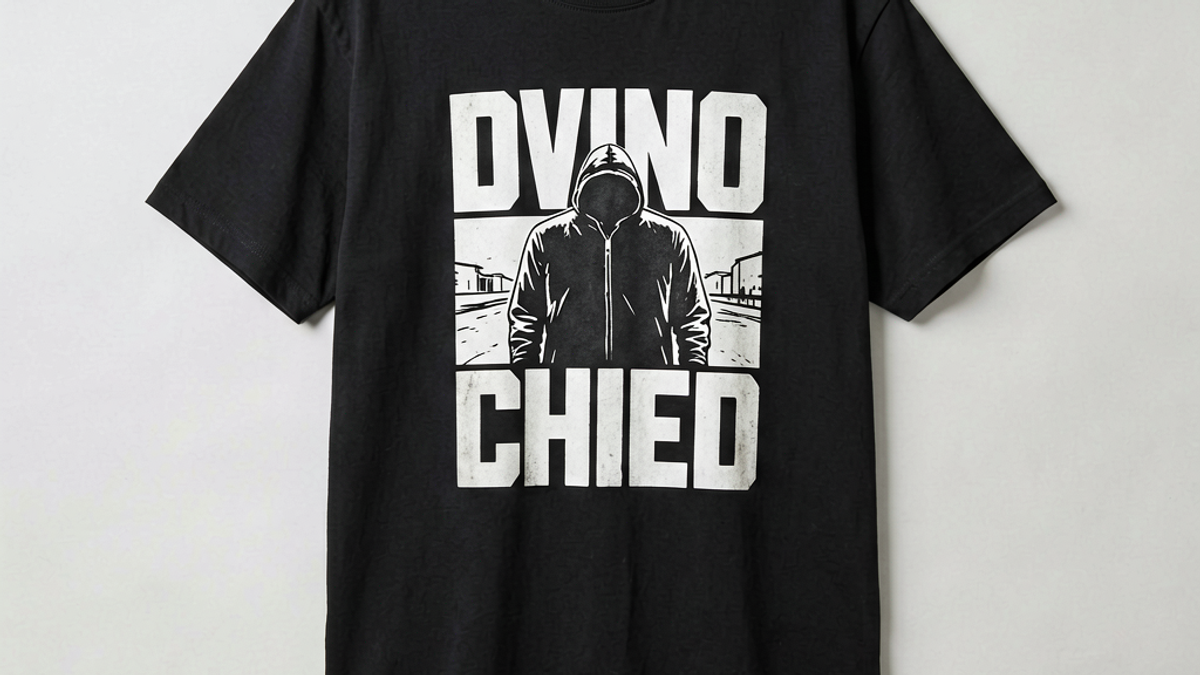
What Is a Streetwear Graphic Tee and Why Is It So Popular?
A <b>streetwear graphic tee</b> is a printed cotton T-shirt built inside the streetwear design system — the visual language that grew out of <b>1990s skate, hip-hop and pop-culture subcultures</b>...
Sylvie Vance
•
A <b>streetwear graphic tee</b> is a printed cotton T-shirt built inside the streetwear design system — the visual language that grew out of <b>1990s skate, hip-hop and pop-culture subcultures</b> and now drives everyday fashion worldwide. It is more than a shirt with a picture on it. The graphic is a statement, the fit is deliberate, the drop is timed, and the brand behind it carries a scene. In short, a streetwear tee is a wearable piece of subculture — and that is exactly why it has stuck around for three decades.
What Exactly Counts as a Streetwear Graphic Tee?
A streetwear graphic tee is a short-sleeve cotton shirt that carries a bold front (or back) graphic tied to a specific streetwear label, drop or cultural reference. Three things separate it from a generic graphic T-shirt you might find on a discount rack.
First, the brand and the scene matter. A tee from a skate brand, a hip-hop-rooted label or a graphic-led streetwear studio is automatically read as streetwear. A warehouse-bulk shirt with the same image is not.
Second, the graphic is treated as the centerpiece — not decoration. Logos, illustrated characters, typography, collab artwork and pop-culture references are placed front-and-center with the same seriousness a luxury label gives a monogram.
Third, the tee is part of a larger ecosystem. It drops alongside hoodies, caps and accessories, lives inside lookbooks, and often sells out in minutes. The T-shirt is the entry point. The label is the destination.
Where Streetwear Graphic Tees Actually Came From
The streetwear graphic tee did not appear in a boardroom. It came up from the streets — specifically from skate parks, rap videos and downtown record shops in the late 1980s and early 1990s.
Skate culture supplied the first wave. Independent skate brands in California started printing small-run T-shirts in the late 80s to fund videos, tours and shop rent. Skaters wore their sponsors on their chests, and graphics became a way to broadcast taste, crew loyalty and local pride. Heavyweight cotton, boxy fits and oversized prints were practical — they survived falls, long sessions and constant washing.
Hip-hop culture ran in parallel. New York labels and the emerging rap scene turned the graphic tee into a uniform. Bold logo tees, photographic prints and artist merch became standard issue for anyone walking through downtown Manhattan. The fit loosened, the prints got louder, and the cultural footprint grew with every video and magazine cover.
By the mid-1990s, both worlds had converged into what we now call streetwear. Pop culture accelerated the spread — films, MTV, and the rise of the internet turned regional subcultures into a global audience. The graphic tee was no longer just merch. It was the most accessible piece of a lifestyle that millions wanted a piece of.
Key Design Features That Define a Streetwear Tee
Not every printed shirt qualifies. These are the design choices that signal streetwear — and that buyers have learned to look for.
<b>Heavyweight cotton.</b> Most proper streetwear tees use 220–280 GSM cotton, often ring-spun for a denser hand feel. They drape differently than a standard 150 GSM promo shirt — they sit on the body instead of clinging to it.
<b>Boxy, dropped-shoulder fit.</b> Modern streetwear cuts favor a relaxed chest, a slightly cropped length, and shoulders that fall a finger or two past the natural seam. The look is intentional, not sloppy.
<b>Statement graphics.</b> Front prints dominate. Typography, illustrated characters, photo collages, and logo lockups are placed large and centered. Sleeve hits, back prints and neck prints add layered detail.
<b>Limited drops and collabs.</b> Streetwear brands release tees in numbered drops, seasonal capsules, or one-off collaborations. Scarcity is part of the design — the tee is meant to feel like an event, not a refill.
<b>Coordinated styling.</b> A streetwear tee is rarely sold or styled alone. It is shown with cargos, wide-leg denim, technical outerwear and matching graphic pieces — a complete look built around the shirt.
Streetwear Graphic Tee vs. Regular Graphic T-Shirt
A regular graphic T-shirt is a blank canvas with a print. A streetwear graphic tee is a cultural object with a print. The difference shows up in the production, the presentation, and the price.
A standard graphic tee is mass-produced, sold year-round in any colorway and any size, and priced for volume. The graphic is a design asset. A streetwear tee is run in tight quantities, dropped on a specific date, and priced to reflect brand equity — not just fabric and ink.
Construction tells the story too. Streetwear tees use heavier cotton, reinforced collars, double-needle hems, and garment-dyed finishes. The point is durability and structure — the shirt should look better after 30 wears than it did new.
Finally, a regular graphic tee has no loyalty. You buy it, you wear it, you forget it. A streetwear tee has a fanbase, a resale market, and an unwritten code about how it is supposed to fit and layer. Wearing one signals membership in a scene — not just a clothing choice.
Why Streetwear Graphic Tees Are Still a Wardrobe Staple in 2026
Almost every fashion category has tried to replace the graphic tee over the last ten years. None of them have. The reasons are simple.
Authenticity still has value. In a market flooded with AI-generated graphics and fast-fashion drops, a properly designed streetwear tee — with real artwork, real fabric weight, and a real brand story — is one of the few pieces of clothing that still feels personal.
The format is unbeatable for self-expression. A hoodie is a hoodie. A sneaker is a sneaker. A graphic tee is a billboard. People want to say something with their clothes, and a bold print is the easiest way to do it.
It is also the most democratic entry into streetwear. A tee is cheaper than a jacket, easier to style than denim, and works in any season. Anyone — student, creative, founder — can wear one and immediately participate in the culture.
Finally, the drop model keeps demand high. Limited releases, seasonal capsules and artist collabs mean there is always a new reason to refresh the rotation. The graphic tee has reinvented itself for every era since 1990, and 2026 is no different.
Key Takeaways
A streetwear graphic tee is a printed cotton T-shirt built inside a real brand and a real subculture — not just a logo on a blank shirt.
It grew out of 1990s skate and hip-hop scenes and crossed into the mainstream through pop culture and the internet.
Look for heavyweight cotton, a boxy fit, statement graphics, and limited drops to identify a real streetwear piece.
It differs from a regular graphic T-shirt in fabric, fit, production volume, and cultural meaning.
It remains a staple in 2026 because it is the most accessible, expressive, and authentic piece in the streetwear system.
Frequently Asked Questions
A well-made streetwear graphic tee is one of the most efficient pieces in any wardrobe — loud enough to carry a look, simple enough to wear daily, and rooted in a culture that has been redefining itself for over three decades. The Stryxen Studio collection leans into that exact formula: heavyweight cotton, bold original graphics, and boxy fits built to be worn — not archived. Pick a print that says something, build the fit around it, and the rest of the outfit takes care of itself.
Frequently Asked Questions
What makes a T-shirt streetwear and not just a graphic tee?
A streetwear T-shirt comes from a brand that lives inside the streetwear scene — skate, hip-hop, street art, or youth culture — and releases its tees in limited drops or seasonal collections. A regular graphic tee is mass-produced year-round with no scene behind it. The brand context, the production quality, and the cultural meaning are what separate them.
When did streetwear graphic tees first become popular?
Streetwear graphic tees first gained traction in the late 1980s and exploded in the 1990s, driven by independent skate brands in California and the rise of hip-hop fashion in New York. By the mid-1990s, both scenes had merged into a global streetwear movement, and the graphic tee was its most visible uniform.
How should a streetwear graphic tee fit?
Most modern streetwear tees are cut with a boxy chest, dropped shoulders, and a slightly cropped length that sits just below the belt. The fit is relaxed but structured — never skin-tight, never sloppy. The goal is a silhouette that holds the graphic flat across the chest and layers cleanly under jackets and overshirts.
Are streetwear graphic tees still trendy in 2026?
Yes. Graphic tees remain the most popular entry point into streetwear in 2026 because they are affordable, expressive, and easy to style. Limited drops, artist collaborations and the rise of small independent labels have kept the format fresh, and the tee is now a year-round staple rather than a trend.
Free Shipping on All OrdersFree ReturnsNo Hidden Fees
 Sylvie Vance