What Is a Streetwear Graphic Tee and Why Is It So Popular?
A streetwear graphic tee is a printed cotton T-shirt built around culture, not decoration — born from skateparks, hip-hop studios and 1990s pop iconography, and sold as wearable identity. Unlike a...
Sylvie Vance
•
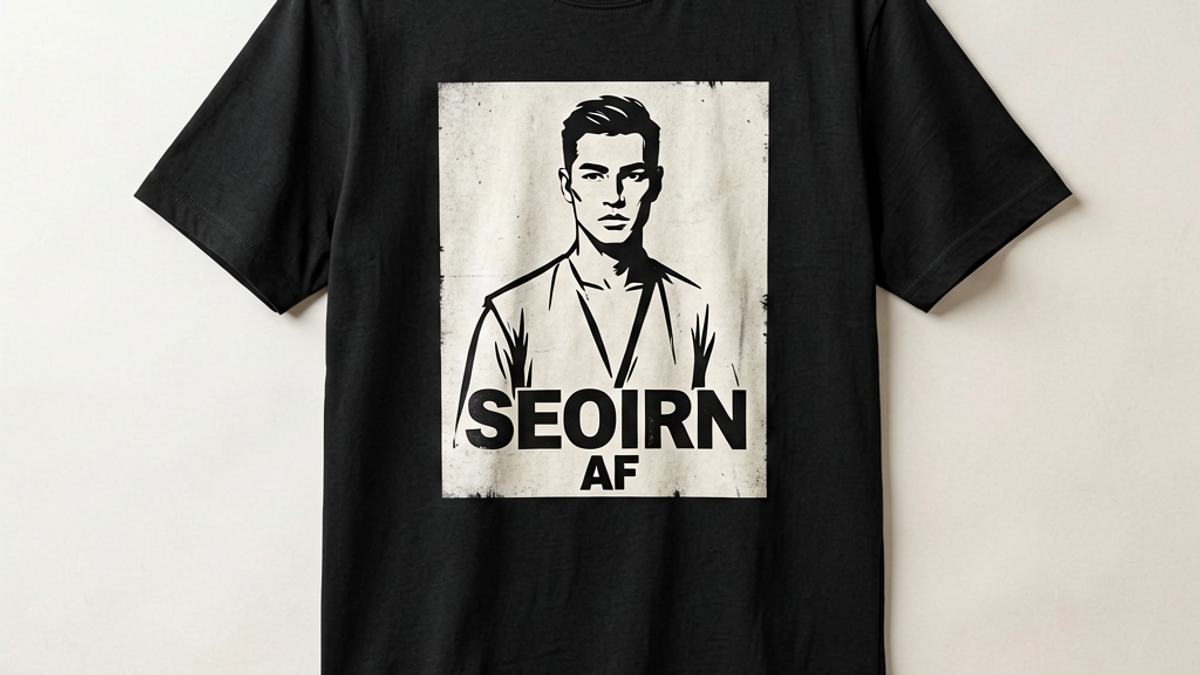
A streetwear graphic tee is a printed cotton T-shirt built around culture, not decoration — born from skateparks, hip-hop studios and 1990s pop iconography, and sold as wearable identity. Unlike a souvenir tee or a band shirt you grab at a concert, a streetwear graphic is designed to be styled, dropped in limited numbers, and read as a signal of taste. If the print tells a story the wearer actually belongs to, it's streetwear. If it just sits on the chest, it's a regular graphic tee.
What a Streetwear Graphic Tee Actually Is
Strip the marketing away and a streetwear graphic tee is a T-shirt whose graphic is the product, not an accessory to the product. The fit, the fabric weight, the drop cadence and the brand's cultural context all exist to support the artwork on the front. That artwork usually borrows from one of three visual vocabularies: skate graphics (rough typography, ransom-note collage, cartoon mascots), hip-hop iconography (old-school logos, varsity lettering, photo prints), or pop-culture reference (art-history parodies, movie stills, internet memes). When a brand fuses those vocabularies with a tight supply story — limited drop, numbered run, restock promises the brand breaks anyway — the tee crosses from apparel into streetwear.
Two other features separate the category from a standard printed tee. First, the graphic is treated as the hero element of the fit: the rest of the outfit is curated to frame it, not compete with it. Second, the print is positioned as a cultural artifact the buyer is *in on*. You don't just wear a streetwear graphic — you explain it, you defend it, and you decide who else is allowed to know what it means.
Where Streetwear Graphic Tees Came From
The streetwear graphic tee didn't have one inventor. It accreted in three scenes during the late 1980s and 1990s, then fused. In Southern California skateparks, brands like Stüssy started screen-printing their own logos on blank tees because mainstream apparel ignored skaters entirely. The graphic was a handshake — same logo, you were in the crew. In New York hip-hop, labels built around the music scene (Roc-A-Fella, Wu-Tang's affiliated imprints) treated the tee as a touring merch product with album-cover-level design discipline. The graphic was a flag.
Then 1990s pop culture poured gasoline on it. The decade's pop-art revival, the rise of designer toys, the Spice Girls' visual maximalism and the MTV-era saturation of celebrity imagery all gave the graphic tee a much wider visual vocabulary. Brands that had previously printed two-color logos started licensing or riffing on Warhol, Lichtenstein and Basquiat. The mall graphic tee — the novelty-shirt rack at every big-box store — grew out of that same pop moment, but stripped of the scene-specific meaning. By the early 2000s, the streetwear graphic tee had become the default canvas for pop-culture commentary in clothing — a role it has not surrendered since, even as the rest of 90s fashion has come and gone in waves.
The Design Features That Make It Streetwear
Anyone can slap an image on a tee. Streetwear brands obsess over the small choices that make the result feel right. These are the four that matter most.
Fabric weight and hand-feel. Mid-weight cotton (around 200-240 GSM) is the default — heavy enough to drape, light enough to print clean. Cheap 140 GSM blanks look like a promotional giveaway, not a streetwear drop.
Print method. Plastisol ink is the loud, slightly raised finish most people associate with streetwear. Water-based and discharge inks give a softer, vintage feel that aged, broken-in tees are known for. High-density and puff inks add dimension; the best pieces mix two methods on the same print.
Fit and silhouette. Boxy, slightly dropped shoulders, longer body. The fit is deliberately not athletic — it's the cut of a tee worn untucked over cargos, or layered under an open shirt. Modern streetwear has moved toward a slightly more tailored boxy cut, but the rule holds: if it skims the body like gym wear, it's not streetwear.
Drop mechanics. Limited numbers, numbered editions, surprise restocks and collaborations. Scarcity is a design feature, not a marketing trick. A streetwear graphic tee that sits in a bargain bin is, by definition, missing the point.
Streetwear Graphic Tee vs. a Regular Graphic T-Shirt
The terms get used interchangeably online, but they're not the same product. A regular graphic tee is sold on a rack at a department store or printed for a tour, school event or family reunion. Its goal is to be broadly appealing. A streetwear graphic tee is sold as a drop, a collab or a numbered edition. Its goal is to be specific enough that the right person has to have it and the wrong person scrolls past.
Three telltale signs separate the two. A streetwear piece almost always has visible production choices — a sewn-in neck label, a specific tag, a hem tag, sometimes a printed inner message. The graphic is anchored to a story the brand has built, not just to an image the brand licensed. And the price-to-fabric ratio is high: $40-$80 for a mid-weight cotton tee, not $12.99. That premium is what pays for the drop mechanics, the licensing and the cultural positioning the customer is actually buying.
Why the Streetwear Graphic Tee Is Still a Staple in 2026
Three decades after the form crystallized, the streetwear graphic tee is more relevant, not less. Luxury fashion has caught up to streetwear's vocabulary, not the other way around — every major house now drops a graphic tee as a seasonal staple, which only validates the form. The bargain-bin mall graphic tee of the early 2000s has been almost entirely replaced by deliberately designed pieces at $50 to $200, and the price floor has lifted the category's perceived value in the process. Y2K and 90s nostalgia cycles have kept vintage band tees, rap tees and skate graphics in heavy rotation on resale platforms, making the originals more legible to a generation that didn't live through them — and turning well-preserved 1990s pieces into a tradable asset class. And the rise of micro-brands — small studios running Instagram-only drops of 50 to 200 pieces — has made the format more accessible to designers who never want to deal with a department-store buyer and more responsive to micro-trends the big labels are too slow to catch.
Practically, the tee solves a real wardrobe problem: it's the single loudest piece a person can put on and still leave the house in under a minute. For anyone building a minimalist closet, a small rotation of three to five strong graphic tees does more work than a drawer of twenty plain ones. Layered under an open flannel in autumn, thrown over a long-sleeve thermal in winter, worn solo with cargos in summer — the same piece rotates across three seasons without feeling stale, as long as the print was strong enough to start with. That's why the form is still here, and why it isn't going anywhere.
Key Takeaways
A streetwear graphic tee is a printed tee whose graphic is the product, built around culture rather than decoration.
It grew out of three scenes — California skate, New York hip-hop and 1990s pop culture — and fused into a single visual language.
Fabric weight, print method, fit and drop mechanics are the four design features that separate streetwear from a regular printed tee.
A streetwear piece is specific, scarce and tied to a brand story; a regular graphic tee is broad, ubiquitous and story-free.
In 2026 the form is more relevant than ever, sustained by luxury adoption, Y2K nostalgia and a wave of micro-brand drops.
The Bottom Line
The streetwear graphic tee is the rare clothing format that has survived every trend cycle since the 1990s because it does something plain tees can't: it lets the wearer say something specific. Choose pieces with a graphic you actually want to defend, a fit that frames the print, and a brand whose drop story you respect. If you want a starting rotation built around that principle, the Stryxen Studio collection is curated for exactly that kind of closet.
Frequently Asked Questions
What makes a T-shirt a streetwear graphic tee?
A T-shirt qualifies as a streetwear graphic tee when its graphic is treated as the product, not as decoration. That means a deliberate fit, mid-weight fabric, a print method (usually plastisol or water-based), and a drop or limited-release story attached to the design. A regular printed tee can be bought any day off a rack — a streetwear graphic is meant to feel specific, scarce and culturally coded.
How is streetwear different from regular fashion?
Streetwear grew out of skate, hip-hop and 1990s youth culture and is sold in drops, collabs and limited editions rather than seasonal department-store collections. Regular fashion is built around broad-appeal retail; streetwear is built around community signal and scarcity. The two have borrowed heavily from each other — luxury houses now drop streetwear staples, and streetwear brands now run proper runway shows — but the design intent is still different.
Are graphic tees still popular in 2026?
Yes, graphic tees are more popular in 2026 than they were a decade ago. Y2K and 90s nostalgia have revived vintage band and rap tees, luxury brands have legitimized the format as a seasonal staple, and a wave of small micro-brand studios has kept the drop-mechanics culture alive. The category has expanded rather than cooled.
How should a streetwear graphic tee fit?
A modern streetwear graphic tee should sit boxy through the body with a slightly dropped shoulder and a length that covers the belt line without bunching. The fit should skim the torso, not cling to it, and the sleeves should hit roughly mid-bicep. Avoid anything that reads as athletic compression — if it looks like gym wear, it's not streetwear.
What Is a Streetwear Graphic Tee and Why Is It So Popular? | Stryxen Studio Blog

 Sylvie Vance