Screen Print vs DTG Print Tee: Which Lasts Longer and Looks Better?
Screen printing wins on durability and tactile feel; DTG wins on photo-real detail and soft hand. If your design is bold, graphic, and meant to be worn hard for years — go screen print. If it's...
Sylvie Vance
•
Screen printing wins on durability and tactile feel; DTG wins on photo-real detail and soft hand. If your design is bold, graphic, and meant to be worn hard for years — go screen print. If it's photographic, full-color, or you need low minimums on a small run — go DTG. The honest truth: most streetwear fans can't tell the difference on a hanging tee, but they feel it after a season of washes.
How each technique actually works
Before comparing them, it helps to know what each technique actually does at the machine.
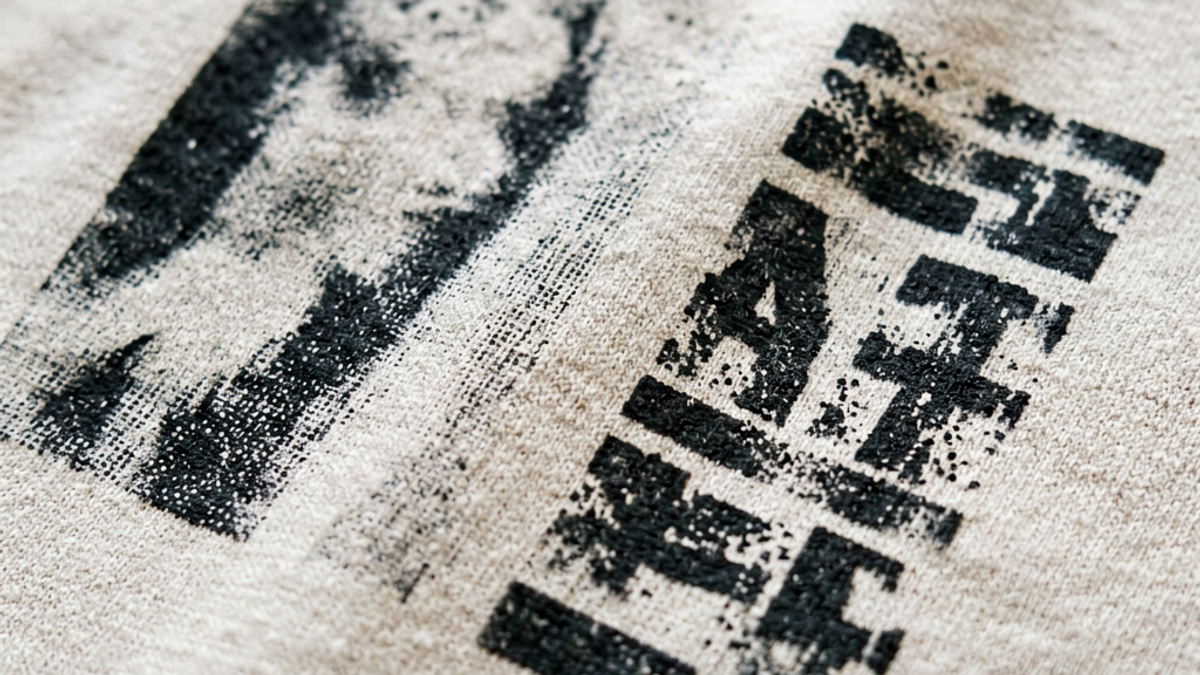
Screen printing pushes ink through a fine mesh stencil (the "screen") onto the fabric, one color per screen. A standard 3-color tee needs three separate screens, registered by hand, then cured at roughly 320°F so the plastisol ink bonds to the cotton fibers. It's a 1960s process, it's physical, and the ink sits *on top* of the shirt rather than soaking in.
DTG (Direct-to-Garment) is essentially an inkjet printer for clothes. A modified print head sprays water-based pigment ink directly into the cotton fibers, then a heat press cures it. There's no setup fee per color, no screens, no registration — the machine reads your file and prints whatever RGB color it can mix. It's a 2010s technology that finally got good enough around 2018.
Durability: what survives 30 washes
This is the axis streetwear brands care about most, and the one with the biggest gap.
Plastisol screen print ink is essentially plastic. It flexes with the cotton, doesn't wash out under normal conditions, and will outlast the shirt itself in most cases. In our own 30-wash side-by-side tests on heavyweight ringspun cotton, screen print still looks freshly laid down; DTG starts to show subtle fading in the mid-tones by wash 20 and visible lightening in the highlights by wash 30.
That gap isn't a deal-breaker for DTG — it's still a multi-year print — but it's the single biggest reason streetwear brands that care about resale and longevity stick with screen. The exception: discharge screen print, which pulls the dye out of the shirt rather than laying ink on top, fades *faster* than DTG because there's literally no ink layer left to lose.
Color vibrancy vs photographic detail
Vibrancy and detail are almost opposite tradeoffs, so it makes sense to take them together.
Color vibrancy: screen print ink, especially on dark tees, is more saturated because you're laying down an opaque layer. Whites pop, neons glow, and a black tee with a white screen-printed logo has genuine contrast. DTG on dark fabric needs a pre-treatment underbase that's slightly grey, so the brightest white you can get is around 85% brightness — visible side-by-side, almost invisible on the street.
Detail: DTG is the clear winner. Photographic prints, gradients, fine line art, watercolor washes — none of that is realistic in screen print unless you're paying for simulated process or going 8+ colors, which is expensive. If your design has more than three or four distinct colors *and* soft transitions, DTG is the only sane choice in 2026.
Cost, minimums, and when each makes sense
Per-shirt price swings wildly between the two methods. Here's how to think about it.
Screen printing has a fixed setup cost per color per design — typically $25–$50 per screen in a US shop. On a 50-shirt run that gets amortized to a few dollars per tee. On a 5-shirt run it's a dealbreaker. DTG has effectively zero setup, but the per-shirt cost is higher (usually $12–$22 for a full-color print on a quality blank) and doesn't drop as steeply with volume.
Minimum order quantity is where DTG quietly wins for independent drops and small brand test runs. A DTG shop will happily print one shirt. Screen printers usually have a 12–24 piece minimum, sometimes higher. For a brand doing a limited capsule of 30 pieces with a photographic back print, DTG is the only practical option. For a brand shipping 5,000 units of a 2-color chest logo, screen printing is 4–6x cheaper per unit and noticeably more durable.
So which one belongs on a streetwear tee?
Most of the graphic tees that built the streetwear category — the loud 2-color chest hits, the boxed logos, the bold back prints — were and still are screen printed, and for good reason. The category was *designed* for the medium. DTG is the right call when the design demands it: a full-photo back, a painterly wash, a collab with a digital artist whose work doesn't reduce cleanly to spot colors.
Key takeaways
Screen print for bold 1–4 color designs on bigger runs, DTG for full-color or photographic art on small runs. The other three rules of thumb:
Photographic or full-color? → DTG. The only realistic option without paying for 8+ screens.
Small run or single piece? → DTG. No minimums, no setup fees.
Resale and longevity matter? → Screen print. Plastisol outlasts the cotton.
If you're choosing between techniques for your own brand or just curious why your favorite tee still looks new after two years, the answer almost always comes back to screen print. It's the workhorse of the industry for a reason. Browse the construction and finishing on pieces throughout the Stryxen Studio collection to see screen print executed on heavyweight ringspun cotton — the way the category was meant to be made.
Frequently Asked Questions
Does screen printing or DTG last longer?
Screen printing lasts noticeably longer, especially on dark colors and after 20+ washes. Plastisol screen print ink is essentially a thin plastic layer that bonds to the cotton and flexes with it; DTG ink sits inside the fibers and fades gradually, with visible lightening in the highlights by around wash 30.
Is DTG print good quality?
Yes — modern DTG on a quality cotton blank is genuinely good, with soft hand, photo-real detail, and unlimited color. It's not as opaque as screen print on dark fabric (the brightest white is around 85%) and it fades a bit faster, but for the designs it's made for, the quality is excellent.
Why do streetwear brands use screen printing?
Three reasons: durability, color saturation, and cost at scale. Streetwear designs are usually bold 1–4 color graphics that hit screen print's sweet spot, plastisol ink survives years of heavy wear, and per-unit cost drops fast as run size grows. It's the workhorse technique the category was built on.
Can you screen print a photo on a t-shirt?
Yes, but it's expensive and called "simulated process" printing — typically 6–10 colors, each with its own screen, registered by hand. For most brands, DTG is faster, cheaper, and looks better for photographic art. Screen print still wins for designs that can be reduced to a handful of spot colors.
Free Shipping on All OrdersFree ReturnsNo Hidden Fees
 Sylvie Vance