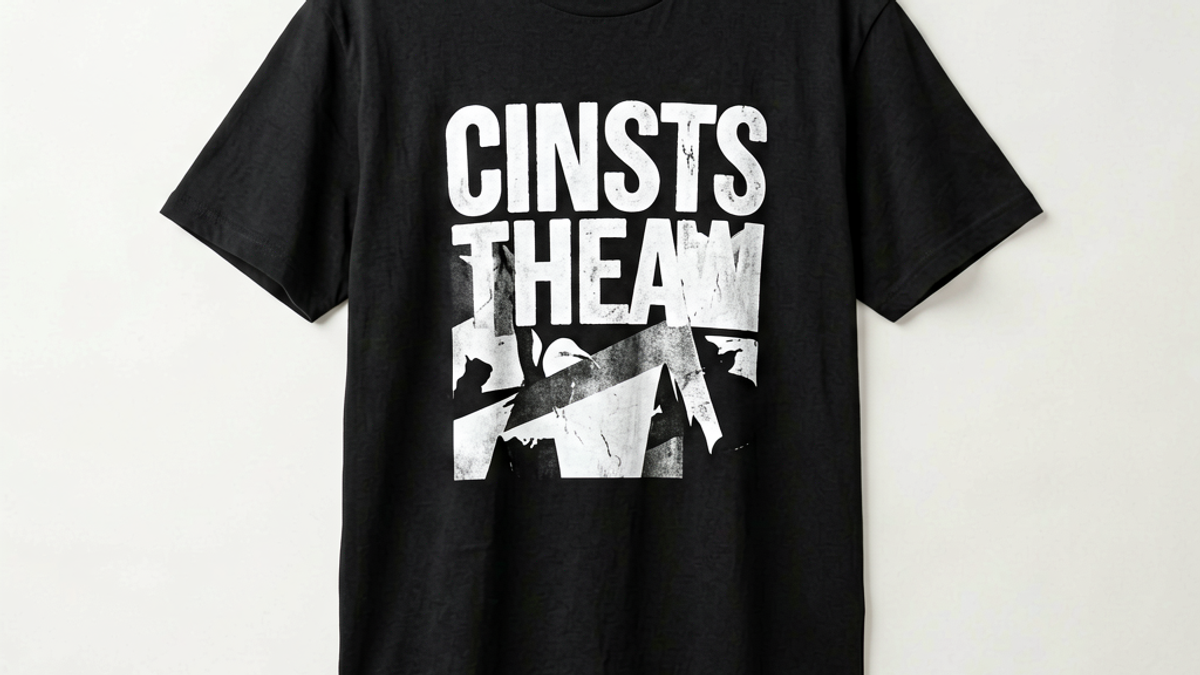
What Is a Streetwear Graphic Tee and Why Is It So Popular?
A streetwear graphic tee is a cotton t-shirt with a printed design that signals taste, subculture, or brand loyalty — usually sold by independent labels rather than mass-market retailers. The...
Sylvie Vance
•
A streetwear graphic tee is a cotton t-shirt with a printed design that signals taste, subculture, or brand loyalty — usually sold by independent labels rather than mass-market retailers. The category exploded because it solved a problem fast fashion couldn't: how to wear identity on your chest without looking like you're trying. The best streetwear graphic tees read like a sentence in a longer conversation between the brand and the buyer.
Key Takeaways
Streetwear graphic tees are independent-label pieces, not mall-brand basics — the brand's POV is part of the product.
The graphic is a deliberate signal, not decoration — it advertises taste, subculture, or aesthetic alignment.
Quality lives in the print method and fabric weight, not the artwork alone.
Limited drops drive resale value and cultural relevance — scarcity is the engine, not an accident.
— graphic tees are the cheapest way to declare it.
The category keeps growing because identity keeps mattering
What Separates a Streetwear Graphic Tee from a Regular Graphic Tee
Two tees with the same artwork can sit in completely different categories. The label, the drop model, the print method, and the brand's stated design intent are what move a tee from "novelty" to "streetwear." A graphic tee sold by a mall brand with no design philosophy is apparel. A graphic tee sold by an independent label with a recurring visual vocabulary, a stated point of view, and a limited drop cadence is streetwear — even if the artwork looks identical.
The simplest test: ask who the brand is in conversation with. A streetwear label is talking to a specific subculture — skaters, anime fans, vintage collectors, graffiti writers, photographers. The graphic tee is the dialogue. A mall brand is talking to everyone, which usually means it's talking to no one. That's not a value judgment — it's just a different category of clothing.
Why the Category Took Over
Streetwear graphic tees exploded for three overlapping reasons. First, the production economics changed — print-on-demand and small-batch screen printing let independent labels sell direct to consumer without department-store gatekeeping. Second, social media rewarded visible identity — a graphic tee is a low-effort way to be recognizable in a feed. Third, the audience shifted from "fashion followers" to "tribe members" — buyers care more about which label they're wearing than whether the cut is on-trend.
The result is a category that's bigger, more fragmented, and more culturally specific than any other corner of casualwear. There are streetwear graphic tees for music subgenres, art movements, geographic scenes, and inside jokes. The ceiling is essentially unlimited — as long as new tribes form, new tees get made.
What Makes One Worth Buying
Four filters separate the streetwear graphic tees worth wearing from the ones that end up at the back of the drawer. Fabric weight (180–220 GSM cotton drapes correctly under a print; lighter weights look cheap). Print method (discharge or DTG holds up; cheap plastisol cracks). Design coherence (does the brand have a recognizable visual language across drops?). Drop model (limited and clearly numbered beats endless restocks).
If a tee clears all four filters, it earns its slot. If it fails on print method or fabric weight, the design won't matter — the shirt will look tired in a season. If it fails on design coherence, the tee is merch, not a collectible. The streetwear graphic tee category rewards buyers who filter with this checklist instead of buying on first impression.
Who It's Actually For
Streetwear graphic tees aren't for everyone, and pretending they are waters down the category. They're for buyers who care about the label, who follow drops, and who treat their closet as a small collection rather than a wardrobe. If that sounds like you, even owning three well-chosen pieces will change how you dress. If it doesn't sound like you, a plain heavyweight tee at the same price point will serve you better. Both are correct answers to different questions.
How the Category Will Evolve in 2026 and Beyond
Streetwear graphic tees are entering a maturation phase. The category grew explosively through the 2010s as direct-to-consumer tooling made launching a label accessible to anyone with a graphic and a Shopify account. The result was volume: thousands of new labels, hundreds of drops per week, and a buyer base that learned to filter aggressively. What comes next is consolidation. The labels with stated philosophies, recurring visual vocabularies, and disclosed production specs will hold their ground; the labels that launched on hype alone will fade.
Print technology will continue shifting as well. Discharge printing, the soft-hand screen-printing method that makes prints feel like part of the shirt, is becoming the default rather than the premium option. DTG printing is improving in vibrancy, closing the gap with screen printing on bold colors. Water-based inks are replacing plastisol at the high end, both for environmental reasons and for the better hand-feel they offer. Within five years, plastisol screen printing on a premium graphic tee will likely read as a cost-cutting choice.
Buyer behavior is also evolving. The same social-media-driven discovery that fueled the boom is now producing more sophisticated buyers — people who ask about GSM, who vet print method, who follow design leads rather than just brands. The labels that succeed in the next phase will be the ones that treat those buyers as the default, not the exception. Disclosed specs, consistent design vocabulary, and honest production storytelling will move from "nice to have" to "table stakes." Stryxen Studio and a handful of similarly minded labels are already operating at that standard.
The category isn't going anywhere. The demand for wearable identity is structural; the production economics favor independent labels; the audience keeps renewing generationally. What changes is which labels earn attention. Buyers who filter with the right criteria now will be ahead of the consolidation curve, with closets full of tees that still feel right three years later.
Common Pitfalls When Entering the Category
First-time streetwear graphic tee buyers make the same handful of mistakes. Buying the trend instead of the brand: a piece that matches this month's aesthetic will look stale in six. Ignoring fit because the design is loud: a graphic tee that doesn't fit your frame won't be worn, regardless of the artwork. Skipping specs because the photo looks great: photos hide weight, print quality, and fabric hand-feel. Treating the category like fast fashion: streetwear rewards curation, not volume. Buying duplicates of one great piece: spread the budget across two or three complementary tees rather than two copies of the same one.
Avoiding those pitfalls is mostly a matter of patience. Slow down, filter, and buy with intent rather than urgency. The labels worth following will release again next month; the pieces worth owning won't disappear if you take a week to decide. The streetwear category rewards buyers who treat each purchase as a deliberate addition to a collection rather than a single transaction.
Building a Streetwear Graphic Tee Wardrobe
Start with one or two anchor pieces from a single brand that matches your taste, then expand. Anchor pieces are usually mid-priced graphic tees from a label with a clear visual vocabulary — black or white colorways, recurring motifs, stated design intent. Once the anchors are in rotation, add complementary pieces from adjacent labels, slowly building the network of brands that inform your closet. The slow build is what makes the rotation feel intentional rather than accumulated.
The Bottom Line
A streetwear graphic tee is identity printed on cotton — a deliberately designed piece from an independent label, sold in limited drops, with a print method that holds up and a brand point of view that lasts. The category took over because it solved a real problem: how to wear taste without trying. For buyers who want to start with a curated selection rather than sorting through every drop, the Stryxen Studio collection applies the same four filters to every release.
Frequently Asked Questions
What is a streetwear graphic tee?
A streetwear graphic tee is a cotton t-shirt with a printed design from an independent label with a stated design philosophy, usually sold in limited drops. The graphic is part of the brand's visual language, not decoration — it's meant to signal taste, subculture, or brand loyalty.
Why are streetwear graphic tees so popular?
Three reasons: print-on-demand and direct-to-consumer sales let independent labels bypass department stores; social media rewards visible identity; and buyers shifted from following trends to belonging to tribes. A graphic tee is the cheapest way to declare membership.
How is a streetwear graphic tee different from a regular graphic tee?
The label, the design intent, the print method, and the drop model. A mall-brand graphic tee with no philosophy is apparel. An independent graphic tee with a recurring visual language, limited drops, and a stated POV is streetwear. Same artwork, different category.
Are expensive streetwear graphic tees worth it?
When the print method is durable (discharge or DTG), the fabric weight is correct (180–220 GSM), the design is coherent across drops, and the drop is genuinely limited, yes. When any of those four filters fail, you're paying for hype and the tee won't last a season.
Free Shipping on All OrdersFree ReturnsNo Hidden Fees
 Sylvie Vance