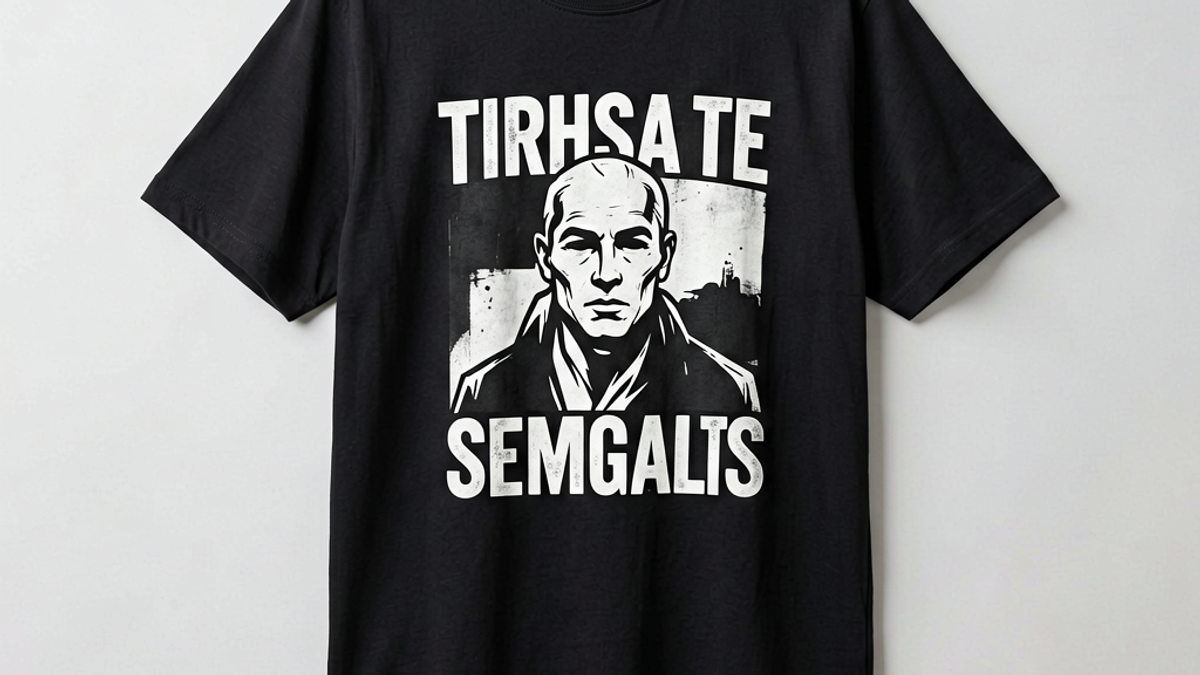
What Is a Streetwear Graphic Tee and Why Is It So Popular?
Own both — but lean heavier on plain tees. A solid streetwear rotation runs roughly 3 graphic tees to 5 plain tees for most people. Graphics buy you personality and a one-step outfit; plain tees...
Sylvie Vance
•
Own both — but lean heavier on plain tees. A solid streetwear rotation runs roughly 3 graphic tees to 5 plain tees for most people. Graphics buy you personality and a one-step outfit; plain tees buy you range, layering, and a lower cost-per-wear. Skip the false either-or and stock each for the job it actually does.
The graphic-tee-versus-plain-tee debate usually gets framed as a personality question — are you loud or quiet? That's the wrong axis. They're different tools. A graphic tee is a statement piece. A plain tee is infrastructure. Treating them like interchangeable options is how people end up with a closet full of loud shirts they can't wear to dinner or a drawer of white tees they never feel like themselves in.
The right ratio depends on three things: how often you dress around a focal piece, how much your daily life skews casual vs. smart-casual, and whether you actually enjoy styling outfits or just want to grab and go. Most streetwear fans over-index on graphics because they're fun to buy and fun to look at. Most minimalist fans over-index on plain tees because they're easy to justify. Both ends are wrong.
Comparison: Graphic Tee vs Plain Tee
Side by side, the two categories trade blows in four categories that actually matter when you're deciding what to buy next.
Fit
Graphic tees often run a touch boxier because brands assume you'll wear them as the outfit. Plain tees, especially mid-weight cotton, drape closer and layer cleanly under overshirts, hoodies, and jackets. If your style leans layered or oversized-in-a-tailored-way, plain tees earn more real estate. If your style is graphic-as-anchor with one clean line going down, the boxier graphic cut works in your favor.
Versatility
Plain tees win on versatility by a wide margin. A black, white, or heather tee pairs with literally everything — denim, cargos, shorts, suits with the right attitude, gym shorts, under a flannel, over a long sleeve. A graphic tee is a conversation starter, which means it works best in low-stakes social settings: weekends, casual hangouts, concerts, travel days. It fights you at work, on first dates with conservative in-laws, and anywhere the dress code is real.
Cost-Per-Wear
Cost-per-wear flips the script. A $35 graphic tee you wear 40 times costs less per wear than a $20 plain tee you wear 80 times only if you actually wear the graphic tee 40 times. Most people wear their favorite graphic more like 60-100 times over its life and their plain tees 100-150. So the comparison is closer than the price tag suggests. The real CPW winner is whichever shirt you'd actually reach for on a Tuesday.
Occasion Coverage
This is where plain tees run away with it. Plain tees cover: gym, errands, layering, smart-casual nights, lazy Sundays, travel, video calls, dinners where you don't want to think about it. Graphics cover: weekends, concerts, the bar, the skate spot, expressing a fandom, signaling taste in a subculture. There's almost no overlap. Buy for the occasions you actually live in, not the ones you wish you did.
When a Graphic Tee Is the Right Call
Reach for a graphic tee when the shirt is supposed to do the styling work for you. That means three situations:
When the rest of the fit is quiet. Plain cargos, plain denim, clean sneakers, no other statement piece. The graphic tee is the only loud thing, so it reads intentional instead of cluttered.
When you want a subcultural signal. Band tees, brand tees, art tees, and graphic drops are how people broadcast taste without saying a word. If you're walking into a room where being recognized matters — a show, a sneaker drop, a meetup — the right graphic tee does in five seconds what a conversation takes twenty minutes to do.
When you're sick of thinking. Decision fatigue is real. A graphic tee plus a consistent pant and shoe rotation removes the morning puzzle entirely. For travel days, errand-heavy weeks, and any stretch where your brain is on something else, that's worth real money.
When a Plain Tee Is the Right Call
Plain tees are the right call when you want options, longevity, or quiet confidence.
Layering. Anything under a flannel, overshirt, chore coat, hoodie, or jacket needs to disappear visually. Graphics print through, bunch weirdly, and fight the silhouette. Plain tees do what they're supposed to do — get out of the way.
Smart-casual lift. A plain black tee under a structured jacket, with clean trousers and leather sneakers, reads as styled. The same jacket over a graphic tee reads as "trying too hard." If you want range past the weekend, plain tees unlock it.
Cost discipline. Plain tees from a good mill in mid-weight cotton last longer, pill less, and hold shape better than most graphic prints. You can rotate three plain tees for a year and still look put together. You can't do that with graphics unless you love wearing the same joke.
Recommended Wardrobe Ratio for Streetwear Fans
For most streetwear-curious adults, the right starting ratio is 3 graphic tees to 5 plain tees — total of 8 tees, give or take. Here's how to think about building it out.
Plain tee foundation (5): Two black, two white, one heather grey or off-white. Buy mid-weight cotton (180-220 gsm) so they hold shape. This is the 80% of your week.
Graphic accent (3): One fandom or brand statement, one art-driven piece, one versatile neutral-tone graphic (black on cream, muted colorway, something that reads with more outfits than you'd expect). Three is enough to rotate without wearing the same shirt twice in a week.
Adjust from there. If you live in graphic tees — skaters, artists, music heads — flip the ratio to 5:3. If you work in a smart-casual environment or travel a lot, push toward 7 plain and 2 graphic. The point is to stock each category for the job it does best instead of letting one dominate by accident.
Key Takeaways
Plain tees are infrastructure; graphic tees are statements — stock both for different jobs, not as substitutes.
Versatility tilts hard toward plain tees; cost-per-wear is closer than the price tag suggests if you actually wear what you buy.
Buy a graphic tee when the rest of the fit is quiet — one loud piece reads intentional, multiple reads cluttered.
Buy plain tees when you want layering, smart-casual range, or longevity — they do the boring work that holds a wardrobe together.
A 3 graphic : 5 plain ratio is the right starting point for most streetwear-curious adults; adjust toward 5:3 if graphics are your identity, 2:5 if you live smart-casual.
Conclusion
Graphic tees and plain tees aren't rivals — they're two halves of a working closet. Plain tees are the substrate; graphics are the highlights. Build the substrate first, then add graphics that actually mean something to you, and you'll wear everything in the drawer. The Stryxen Studio collection leans into this exact mix: foundational blanks for layering and clean fits, plus graphic drops that earn their place by doing the styling for you.
Frequently Asked Questions
Is it better to buy graphic tees or plain tees?
It's better to buy both, but lean toward plain tees first. Plain tees cover more occasions, layer more cleanly, and last longer per dollar. Graphic tees are the accent — buy them when you have a quiet foundation to wear them against. A 3 graphic to 5 plain ratio works for most people.
How many plain tees should I own?
For a working week plus weekends, five plain tees is the sweet spot: two black, two white, and one heather or off-white. That covers smart-casual, layering, gym, travel, and lazy days without overbuying. Add more once you know which colors and weights you actually reach for.
Are graphic tees unprofessional?
They can be, depending on the graphic and the workplace. Loud band or brand graphics usually read too casual for traditional offices. Muted, art-driven, or typography-based graphics can pass in creative and tech environments. When in doubt, layer a plain tee under a structured jacket instead.
Do graphic tees last as long as plain tees?
Usually no. The print itself holds up well on quality blanks, but graphic tees tend to be cotton blends designed for softness and drape rather than longevity. Plain tees from mid-weight cotton (180-220 gsm) outlast most graphic prints by a year or more, which is part of why cost-per-wear ends up closer than the price tag suggests.
What Is a Streetwear Graphic Tee and Why Is It So Popular? | Stryxen Studio Blog

 Sylvie Vance