What Is a Streetwear Graphic Tee and Why Is It So Popular?
A streetwear graphic tee is a printed cotton T-shirt designed as wearable identity—rooted in skate, hip-hop and 1990s pop culture rather than in classic Americana basics. It carries oversized or...
Sylvie Vance
•
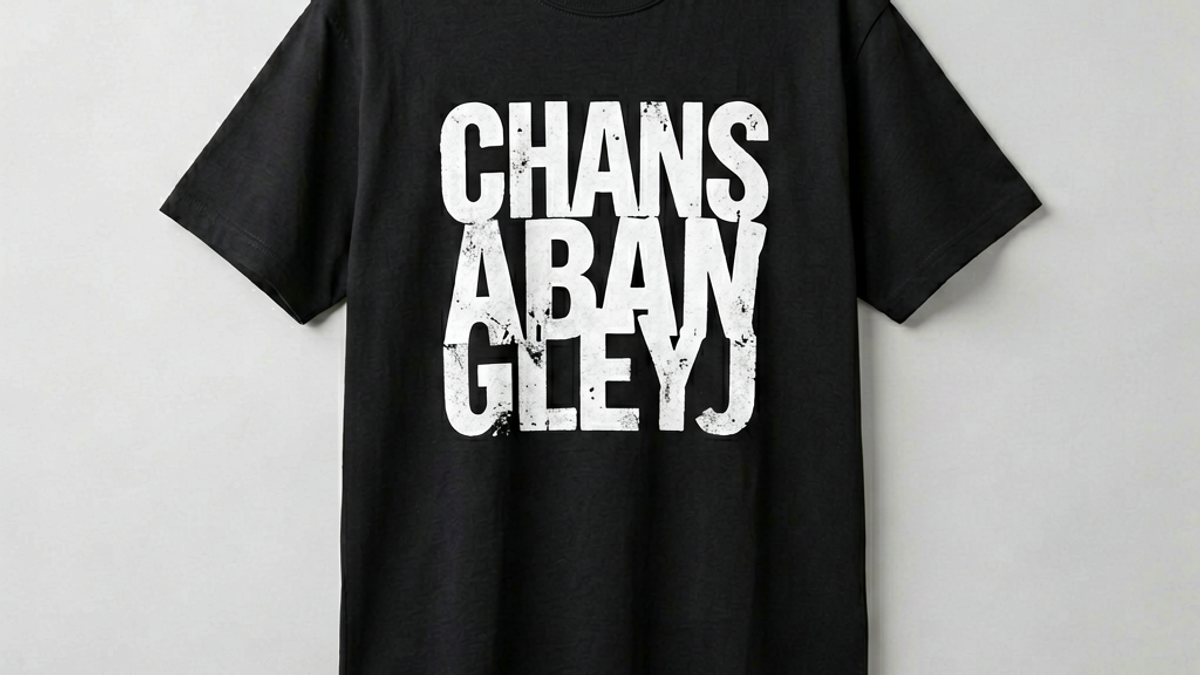
A streetwear graphic tee is a printed cotton T-shirt designed as wearable identity—rooted in skate, hip-hop and 1990s pop culture rather than in classic Americana basics. It carries oversized or relaxed fits, drop-shoulder seams, heavyweight cotton (typically 220–280 GSM), and bold front or back prints that reference music, art, internet culture or brand mythology. It became a wardrobe staple because it turns a basic into a statement, costs less than a jacket, and photographs well in any setting.
Direct Answer: What a Streetwear Graphic Tee Actually Is
Strip the marketing away and the category is simple: a streetwear graphic tee is a short-sleeve cotton shirt engineered for visual impact, not for blending in. Three things separate it from a department-store graphic tee:
Intentional silhouette. Drop shoulders, boxy torso, slightly longer hem. The fit is part of the design.
Heavier, more structured fabric. Most use 220–280 GSM cotton so the shirt hangs on the body instead of clinging to it.
The graphic is treated as the hero element, not an afterthought stamped on a blank.
Print-first construction.
A streetwear tee is also almost always part of a small-batch or seasonal drop. Limited runs push scarcity, scarcity pushes resale culture, and resale culture reinforces the shirt as a piece of wearable identity rather than a basic. Once you understand that loop, every other detail makes sense.
Origin in Skate, Hip-Hop and 1990s Pop Culture
Streetwear graphic tees didn't come from fashion schools—they came from subcultures that needed cheap, expressive clothes. Skate culture in 1980s California turned surplus Hanes blanks into canvases for brand logos and hand-drawn graphics. Brands like Stüssy, founded in 1980, signed their tees the way graffiti writers tagged a wall: as a stamp of belonging.
Hip-hop pushed the same idea in a different direction. In New York, groups like Run-DMC made Adidas tracksuits a uniform, and graphic tees followed: bold typography, photographic prints, references to artists and neighborhoods. The shirt wasn't decoration. It was an in-group signal.
By the mid-1990s, pop culture crossover pushed graphic tees into the mainstream. Tour merch, band tees, and the rise of brands like Supreme, Bape and later Off-White turned the graphic tee into a recognizable global category. That decade also introduced the drop model—releasing small quantities on a fixed date, creating lines around the block and a permanent resale market.
What started as a $10 skate blank is now a multi-billion-dollar category. But the core logic is unchanged: a graphic tee is still a cheap way to broadcast taste, allegiance and humor.
Key Design Features: Prints, Fabrics, Fits and Drops
Most streetwear graphic tees share a recognizable toolkit. If you can spot these four details, you can spot a real one from across the room.
Prints. Plastisol screen prints are the standard—thick, slightly raised, durable through dozens of washes. Higher-end pieces use discharge ink (the print dyes the fabric instead of sitting on top) or DTG (direct-to-garment) for photographic detail.
Fabrics. 220–280 GSM combed or ring-spun cotton is the sweet spot. Lighter shirts drape soft but lose structure; heavier shirts feel premium but run warm in summer.
Fits. Boxy, oversized and drop-shoulder cuts dominate. The shoulder seam usually sits two to three centimeters past the actual shoulder bone, and the body hangs straight from the chest rather than tapering at the waist. Cropped, slim and tapered fits exist but signal a different category (streetwear adjacent, not streetwear core).
Drops. Limited weekly or monthly releases, often tied to a theme (a city, an artist collab, a season). Scarcity drives resale value and gives each tee a kind of cultural timestamp.
Two practical tells: check the inside of the print by stretching the fabric slightly (real plastisol feels like a thin film; cheap DTG feels like nothing), and check the neck rib (a tight, tightly stitched rib means the shirt was built to be worn hard, not tossed after one season).
How It Differs From a Regular Graphic T-Shirt
A regular graphic tee is sold next to socks at a mall store. A streetwear graphic tee is sold online at a fixed drop time, often with a queue, and frequently resells for two to five times retail within a week. The visual difference is small. The structural difference is large.
Brand ecosystem. Regular graphic tees come from generic apparel brands with hundreds of SKUs. Streetwear tees come from labels whose entire identity is the tee itself.
Design language. Mall tees lean on licensed characters, sports logos or generic slogans. Streetwear tees lean on in-jokes, original artwork, typography and ironic references.
Production run. A mall graphic tee runs 10,000 units and sits on shelves. A streetwear graphic tee runs 200–2,000 units and sells out in minutes.
Cultural position. Mall tees are worn and forgotten. Streetwear tees become part of an outfit, an outfit-of-the-day post, sometimes a resale listing.
None of that makes a streetwear tee objectively better. A $15 mall graphic tee will get you through the same Tuesday. The difference is what the shirt is *trying* to do—and what wearing it says.
Why It Remains a Wardrobe Staple in 2026
Three forces keep the category alive more than thirty years after it broke through: price, versatility and content economics. A graphic tee is still the cheapest statement piece in menswear and womenswear, it still pairs with literally anything from cargos to trousers, and in a social media economy, a printed tee is the easiest outfit component to photograph and share.
The 2020s have added two more pressures. Sustainability has pushed brands toward heavier, longer-lasting blanks—shirts meant to be worn for years, not one summer. And AI-generated art and design tools have lowered the cost of original graphics, so even small independent labels can ship a print that would have required a studio a decade ago.
The result is a category that keeps renewing itself without changing shape. The silhouette is still a T-shirt. The graphics change every season. The buyer stays roughly the same age, with roughly the same budget, looking for the same thing: a shirt that says something without trying too hard.
One tell that the category is healthy: a well-made streetwear graphic tee from 2014 still looks current in 2026, while a mall graphic tee from the same year looks like a relic. Longevity is built into the silhouettes, the fabric weight and the restraint of the print placement. That's why collectors treat the category closer to denim than to fast fashion—and why the best pieces keep ending up back in rotation year after year.
Key Takeaways
A streetwear graphic tee is a printed cotton tee designed as wearable identity, not a basic.
It emerged from 1980s skate culture and 1990s hip-hop, then absorbed pop-culture crossover into a global category.
Recognize it by heavier fabric (220–280 GSM), boxy/oversized fit, plastisol or discharge prints, and limited drops.
It differs from a regular graphic tee through brand ecosystem, design language, production scale and cultural position.
It remains a staple in 2026 because it's cheap, photogenic, sustainably improvable and infinitely re-skinnable through new graphics.
Where to Start If You Want One
If you're new to the category, skip the resellers and the hype trackers. Pick one shirt whose graphic you'd still like in two years, in a fit that hangs cleanly on your shoulders, in a fabric that feels substantial in the hand. Wear it with the rest of your normal wardrobe until it stops feeling like a costume—that's the moment it becomes part of your style instead of a purchase you regret.
The Stryxen Studio collection is built around exactly that idea: graphic tees designed as wardrobe pieces, not seasonal costumes—substance, fit, and print quality in one shirt.
Frequently Asked Questions
What is a streetwear graphic tee?
A streetwear graphic tee is a printed cotton T-shirt designed as wearable identity rather than as a basic. It typically uses heavier fabric (220–280 GSM), a boxy or oversized fit, and a front or back graphic treated as the design's hero element. The category is rooted in skate and hip-hop culture and is sold through limited drops rather than mass retail.
How is streetwear different from regular fashion?
Streetwear is built around subculture—skate, hip-hop, graffiti, internet culture—rather than around seasonal runway trends. It uses limited drops, brand-led storytelling and small production runs to create scarcity. Mainstream fashion tends to ship wider assortments on longer cycles, and price points reflect mass-market production rather than resale-driven demand.
Why are graphic tees so popular?
Graphic tees are popular because they're cheap, expressive, photogenic and easy to style. A printed tee turns a basic outfit into a statement without the cost or commitment of a jacket or pair of sneakers. In a social media economy, a graphic tee is also the simplest garment to photograph and share, which keeps the category relevant decade after decade.
How do you style an oversized graphic tee?
Balance the volume on top with something fitted or cropped below: straight-leg or baggy cargos, wide-leg denim, or a knee-length skirt. Tuck the front hem, layer an open shirt or light jacket over it, and keep the footwear simple (clean sneakers or boots). The graphic stays the focal point, and the silhouette stays intentional instead of sloppy.
What Is a Streetwear Graphic Tee and Why Is It So Popular? | Stryxen Studio Blog

 Sylvie Vance