What Is a Retro Vintage Graphic Tee and Why Does It Never Go Out of Style?
A retro vintage graphic tee is a t-shirt printed with deliberately aged, throwback graphics — think 70s band posters, 90s sports logos, and Y2K typography — often finished with garment dye,...
Sylvie Vance
•
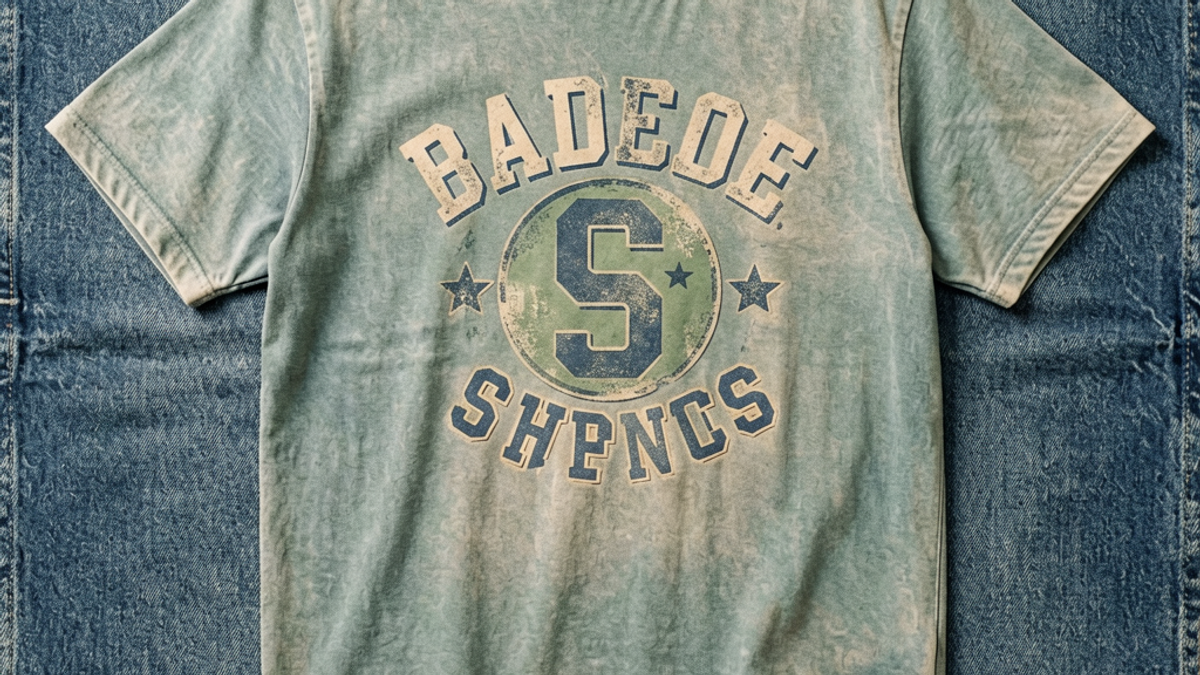
A retro vintage graphic tee is a t-shirt printed with deliberately aged, throwback graphics — think 70s band posters, 90s sports logos, and Y2K typography — often finished with garment dye, mineral wash, or distressed inks so the whole garment looks broken-in from day one. It is not the same as a true vintage tee, which is a pre-owned shirt from a past decade. Retro is the style; vintage is the era. The two words get fused because the look sells nostalgia without the unpredictability of thrift hunting.
What Actually Defines a Retro Vintage Graphic Tee
A retro vintage graphic tee is a brand-new shirt engineered to look like it survived three decades in someone's closet. The graphics themselves lean on period-specific visual vocabulary: chunky collegiate type for 80s varsity pieces, washed-out color bars for early-90s surf brands, chrome shadows and bug-eyed icons for late-90s Y2K energy, and bootleg concert-poster layouts for the 70s rock crowd. What ties them all together is intentional imperfection. The print is faded, slightly off-register, or cracked. The cotton is soft, the dye is uneven, and the seams sometimes have a sun-bleached look. A truly retro tee should pass for something you found folded in a Cedar Rapids record store in 1996 — even though it shipped from a warehouse last Tuesday.
Retro Reproduction vs. True Vintage: What's the Difference?
Genuine vintage means the shirt was actually made and worn in a past decade — usually 20+ years old. Authentic vintage tees have one-of-a-kind wear patterns, single-stitch hems, and tag constructions that stopped being produced years ago. They are scarce, sized inconsistently, and priced like collector items. Retro reproduction tees are new shirts built to channel the same aesthetic. The fabrics, the washes, the ink, and the graphics are all chosen to evoke a specific era without copying a licensed logo. The practical difference is durability and consistency: a reproduction tee will fit the same way every time you reorder, and it will not fall apart after three washes. If you want the look without gambling on thrift-store sizing, retro is the move. If you want a garment with actual history baked into the cotton, hunt vintage.
Design Motifs That Instantly Read as 'Retro'
The motifs that read as 'retro' are surprisingly specific. A handful of visual cues do almost all the heavy lifting:
1990s sportswear — curved script logos, screen-printed numbers, contrasting raglan sleeves, and palettes built around forest green, mustard, and barn red.
Y2K (late 90s to early 2000s) — chrome typography, alien motifs, cyber-blue gradients, and playful mascot characters with oversized eyes.
80s varsity and surf — bold sans-serif type, sun-bleached stripes, palm tree silhouettes, and a slightly sunburnt color range.
70s rock and tour merch — bootleg concert-poster layouts, distressed halftones, and earthy reds, oranges, and creams.
Early-90s skate and streetwear — stencil fonts, big-air brand-style wordmarks, and a deliberately photocopied look.
When two or more of these cues stack on a single shirt, the brain reads 'retro' immediately — even if the wearer cannot name a single decade.
Fabric and Finishing Techniques That Sell the Look
The print is only half the story. What really sells a retro vintage graphic tee is how the fabric is treated before the ink ever touches it. Garment dye means the fully sewn shirt is dipped in color after construction, which produces the slightly uneven, washed-out look you cannot get from piece-dyed blanks. Mineral wash (sometimes called acid wash) tumbles the garment with pumice or chemicals to break down surface dye and create that marbled, sun-faded pattern. Enzyme wash uses biological agents to soften the cotton fibers so the shirt feels broken-in without weakening the seams. The finish you choose changes the whole mood: mineral wash leans 80s, enzyme wash leans 90s, and a clean garment-dye with a faded print leans 70s. Printers also crack the ink on purpose with a high-tension heat press, so the graphic itself looks like it has been through a hundred laundry cycles. That step is the difference between a tee that looks new and a tee that looks lived-in.
Outfit Formulas That Make a Retro Tee Look Intentional
A retro graphic tee only works if the rest of the outfit looks intentional. Three formulas that consistently land:
Wide-leg denim, low-profile sneakers, and a tucked retro tee. Cuff the jeans once, let the hem of the shirt hang slightly, and keep accessories minimal — a leather belt and a single chain.
Layered over a long-sleeve thermal or under an open flannel. This is the 90s grunge build. Choose contrasting weights so the silhouette stays sharp, and let the tee be the loudest piece.
With cargo or carpenter pants and a washed canvas jacket. This skews late-90s streetwear. Stick to a muted palette — olive, stone, faded black — so the graphic on the tee stays the focal point.
The mistake people make is treating a retro tee like a costume piece. It is not. It is a basic with a louder backstory. The rest of the outfit should be quiet, well-fitted, and confident enough to let the shirt do the talking.
Key Takeaways
Retro = new shirt, vintage look. Vintage = an actual old shirt.
Garment dye, mineral wash, and cracked ink are the three finishing techniques that sell the aesthetic.
Era-specific motifs (90s sports, Y2K chrome, 70s bootleg) do most of the visual work.
Keep the rest of the outfit simple. A retro tee is the loudest piece — let it stay the loudest piece.
Buy true vintage if you want rarity. Buy retro if you want consistency, fit, and a graphic that does not crack after two washes.
Frequently Asked Questions
What is a retro vintage graphic tee?
It is a brand-new t-shirt printed with graphics and finishes that mimic older eras — usually 70s, 80s, 90s, or Y2K. The fabrics are washed and the inks are distressed on purpose so the shirt looks aged without actually being old.
Is retro the same as vintage?
No. Vintage refers to a garment that is genuinely 20+ years old and was made in the era it represents. Retro is a style choice — a new shirt designed to capture the look of a past decade. The two terms get blended in marketing, but the practical difference is rarity, fit consistency, and price.
How do you make a graphic tee look vintage?
The most common techniques are garment dye (dyeing the finished shirt for an uneven fade), mineral or enzyme wash (tumbling the cotton to soften fibers and break down surface color), and cracked or distressed ink (pressing the graphic with extra heat so it fractures slightly). Combining two of these finishes usually does the job.
What era of graphic tees is most popular right now?
1990s and early-2000s graphics dominate right now — curved sports scripts, bootleg-style band layouts, chrome Y2K typography, and washed-out earth palettes. 70s rock and 80s varsity pieces are also having a strong run, especially in heavier cotton with a stiffer hand feel.
The Bottom Line
A retro vintage graphic tee is one of the few pieces in a wardrobe that can carry an entire outfit on its own. Pick a graphic that means something to you, choose a wash that matches the era you are referencing, and keep the rest of the build simple. When you want a tee that already looks like the one you wish you had kept from high school, the Stryxen Studio collection has options built around exactly that brief.
Frequently Asked Questions
What is a retro vintage graphic tee?
It is a brand-new t-shirt printed with graphics and finishes that mimic older eras — usually 70s, 80s, 90s, or Y2K. The fabrics are washed and the inks are distressed on purpose so the shirt looks aged without actually being old.
Is retro the same as vintage?
No. Vintage refers to a garment that is genuinely 20+ years old and was made in the era it represents. Retro is a style choice — a new shirt designed to capture the look of a past decade. The two terms get blended in marketing, but the practical difference is rarity, fit consistency, and price.
How do you make a graphic tee look vintage?
The most common techniques are garment dye (dyeing the finished shirt for an uneven fade), mineral or enzyme wash (tumbling the cotton to soften fibers and break down surface color), and cracked or distressed ink (pressing the graphic with extra heat so it fractures slightly). Combining two of these finishes usually does the job.
What era of graphic tees is most popular right now?
1990s and early-2000s graphics dominate right now — curved sports scripts, bootleg-style band layouts, chrome Y2K typography, and washed-out earth palettes. 70s rock and 80s varsity pieces are also having a strong run, especially in heavier cotton with a stiffer hand feel.
What Is a Retro Vintage Graphic Tee and Why Does It Never Go Out of St | Stryxen Studio Blog

 Sylvie Vance