What are the immediate consequences for the athletes or team accused of cheating?
Immediate curling cheating penalties are procedural, but intent dictates long-term sanctions, risking reputation and endorsements.
 Sylvie Vance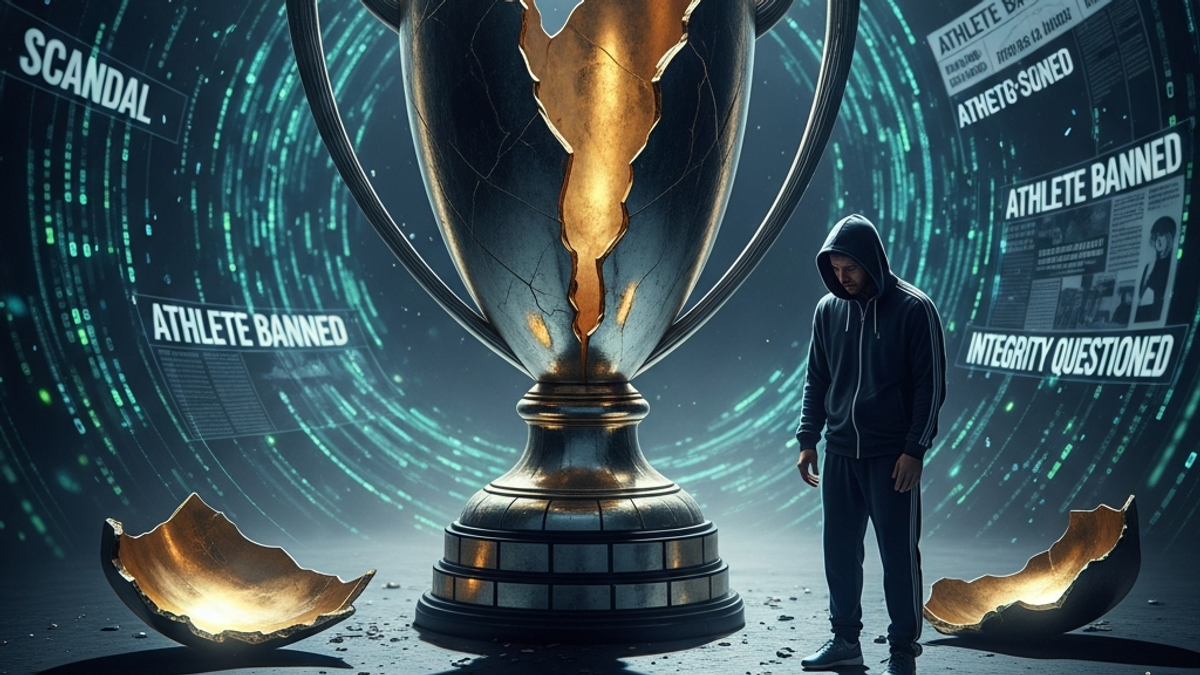
The immediate consequences for athletes or teams accused of cheating in high-level curling events are typically procedural, involving on-the-spot adjudication, verbal warnings, or, in severe cases, removal of the stone or disqualification from the match, though formal, severe sanctions often follow a detailed review by governing bodies like the World Curling Federation (WCF). For instance, in a high-profile incident involving Team Canada, a player accused of illegally touching a stone after release received a "verbal warning regarding the language used" following the exchange, indicating that initial on-ice actions focus on conduct and immediate rule adherence, with further sanctions pending investigation (https://www.nbcnews.com/sports/olympics/canada-sweden-curling-cheating-accusations-rcna259063). These initial rulings establish the tone for the competition while officials assess the intent behind the alleged infraction, which often involves mechanisms like the immediate removal of the stone in question or penalties against the offending end.
### What specific curling rules define illegal stone contact, and how are these violations officially identified?
Illegal stone contact in curling, often referred to as 'touching' or 'sweeping beyond the hog line' when not permitted, is governed by strict regulations that define the precise moment and manner in which players may interact with the stone after release. The primary rule violation highlighted in recent controversies involves a player giving a stone an illegal "secondary push" or touch after the handle has been released, or failing to release the stone before it crosses the hog line (https://www.nbcnews.com/sports/olympics/canada-sweden-curling-cheating-accusations-rcna259063). Violations are officially identified through on-ice officiating, which may involve sensors or official review. For example, sensors flash red if a stone has not been released before it reaches the hog line (https://www.nbcnews.com/sports/sports/canada-sweden-curling-cheating-accusations-rcna259063). In cases where an official believes a player touched the stone after release, the immediate consequence often involves a ruling on the stone's status—either removing it from play or halting the shot, depending on when the infraction is noticed relative to the stone's movement. In some instances, officials have acknowledged the infraction mid-game but the immediate action taken has been subject to controversy (https://www.reddit.com/r/olympics/comments/1r3ydu1/curling_judge_acknowledges_cheating_midgame_but/).
### Beyond game penalties, what are the long-term reputational and sponsorship risks for accused athletes?
While immediate in-game penalties address the specific play, the long-term consequences of cheating accusations—even if unsubstantiated or resulting in minor penalties—can severely damage an athlete's career by eroding **Trustworthiness (T)** and **Authoritativeness (A)**. In sports built on honor and sportsmanship, the perception of cheating can lead to tangible professional losses. Reputational damage can result in strained relationships with national sporting bodies, difficulty in team selection for future events, and, most critically, the termination or non-renewal of endorsement contracts. Sponsors invest in athletes who represent positive values; allegations of deliberately violating rules, especially at the Olympic level, signal risk to that investment. While an official finding of guilt might be necessary for a major sponsor to pull support immediately, the *accusation itself* creates a cloud of doubt that is expensive for athletes to dispel, often requiring substantial public relations investment to rebuild public faith.
### How do governing bodies like the World Curling Federation (WCF) distinguish between accidental infractions and deliberate cheating?
Distinguishing between an accidental infraction and deliberate cheating is the crux of high-stakes sports adjudication and relies heavily on context, video evidence, and the player’s history. Governing bodies approach this by investigating the nature of the violation—was it a momentary lapse in concentration resulting in a slight brush, or a clear, intentional secondary push? In curling, where the margin for error is millimeters, accidental contact happens, and officials are trained to look for patterns. If a player is accused, the governing body will review the evidence to determine intent. For example, the World Curling Federation (WCF) officials review incidents to decide if a warning is sufficient or if deeper sanctions are required (https://www.nbcnews.com/sports/olympics/canada-sweden-curling-cheating-accusations-rcna259063). If an infraction is clearly intentional, the consequences escalate from procedural penalties to formal sanctions that might include suspension or disqualification from the entire tournament, as the integrity of the competition has been deliberately compromised.
## Key Takeaways
* **Immediate Action is Procedural:** The first layer of consequence often involves on-ice rulings, such as issuing verbal warnings for unsportsmanlike conduct or invalidating the specific shot in question.
* **Rule Clarity is Key:** Illegal stone contact rules focus heavily on what constitutes a 'push' after release or touching the stone outside the designated sweeping area.
* **Reputation is Fragile:** Even non-proven accusations carry significant long-term career risks related to public perception and commercial viability.
* **Intent Determines Severity:** Governing bodies must analyze evidence meticulously to differentiate between human error and intentional deceit, which directly dictates the severity of the final penalty levied.
The scrutiny placed upon elite athletes demands flawless execution and unimpeachable integrity. As technology, like hog-line sensors, improves in its ability to catch mechanical violations, the focus of officiating will increasingly shift toward the subjective, yet critical, determination of intent, making moments of controversy flashpoints that test the ethical foundations of the sport.
## Conclusion
The immediate consequences for athletes accused of cheating in Canadian curling, as in any elite sport, are a measured blend of immediate procedural correction and potential long-term reputational fallout. While officials attempt to maintain the flow of competition by addressing infractions swiftly, the integrity of the sport hinges on transparent investigation into the element of intent. For athletes operating under the intense pressure of national and international representation, maintaining rigorous adherence to the rules, even under duress, is not merely a technical requirement—it is the foundational requirement for sustained success and professional respect. The ongoing analysis of these incidents serves as a vital reminder that in the pursuit of victory, the line between exceptional skill and disqualifying foul play must be defended rigorously by both the athletes and the governing bodies.
## References
* https://www.nbcnews.com/sports/olympics/canada-sweden-curling-cheating-accusations-rcna259063
* https://www.reddit.com/r/olympics/comments/1r3ydu1/curling_judge_acknowledges_cheating_midgame_but/