Screen Print vs DTG Print Tee: Which Lasts Longer and Looks Better?
Screen printing wins on durability, hand-feel and bold color; DTG wins on photographic detail, soft feel and small-batch flexibility. Most graphic tees use one of these two methods, and the print...
Sylvie Vance
•
Screen printing wins on durability, hand-feel and bold color; DTG wins on photographic detail, soft feel and small-batch flexibility. Most graphic tees use one of these two methods, and the print type decides how the shirt looks after year one. Screen-printed ink sits on top of the fabric as a thin plastisol layer that cracks along fold lines only after years of abuse. DTG ink soaks into the cotton fibers, so the print feels like part of the shirt but fades faster under heavy washing. Pick screen print for bold logos; pick DTG for photo-real art, gradients and small runs.
Screen Print vs DTG Print Tee: The Short Verdict
If you're choosing between a screen-printed and a DTG-printed tee, the honest answer is that they're built for different jobs. Screen printing has been the industry workhorse since the 1960s for good reason — it's fast, cheap at scale, and the ink lays down thick enough to feel like a second skin. DTG is the newer method, basically an inkjet printer bolted onto a shirt platen, and it lets designers print the kind of multi-color, photo-real art that would be impossible or wildly expensive to screen print. Neither is universally better. The right choice depends on the artwork, the quantity you're printing, and how you plan to wash it.
How Each Printing Technique Actually Works
Screen printing uses a stencil (the screen) for each color in a design. Ink is pushed through the mesh onto the shirt with a squeegee, one color at a time, then cured at around 320°F so the plastisol binds to the fabric. A three-color graphic needs three screens, three passes and three cure cycles — which is why setup cost is the dominant expense and per-shirt price drops sharply once you're past 50 units.
DTG (direct-to-garment) works like a desktop inkjet, except the shirt is loaded onto a platen instead of paper. The print head sprays water-based ink directly into the cotton fibers, so there's no setup fee, no color separation, and no screen to burn. Pre-treatment is sprayed on first to stop the ink from spreading; the shirt is then heat-cured to lock the pigment in place. Run one shirt or one thousand — the per-unit cost barely moves.
Screen print setup: stencil screens, one per color, ~$15–$40 per screen.
DTG setup: pre-treatment spray + ink-loaded print head, no screens.
Cure temp: both methods need heat (around 320°F for plastisol, 350°F for DTG).
Best fabric: 100% cotton is mandatory for DTG; screen print works on blends too.
Durability After 30 Washes: The Real-World Stress Test
Wash any printed tee thirty times and the truth comes out. Screen-printed plastisol holds its color and shape through decades of wear if you avoid the dryer — the cracks you see on vintage tees are usually fold lines, not wash damage. DTG ink fades faster, especially on dark shirts, because the pigment lives inside the cotton fiber and bleeds out a little each wash. Wash DTG inside-out in cold water and you'll get two to three years of good looks before noticeable fading; wash it hot and tumble-dry it and you'll see it in six months.
There's also a feel difference after washing. Plastisol screen print softens slightly but stays present — you can still feel the design with your eyes closed. DTG becomes almost invisible to the touch over time, which some people prefer and others read as the shirt wearing out. Neither failure mode is wrong, but know which one you're signing up for before you buy.
Screen print — cracking only after 80–150+ washes along fold lines.
DTG — color fade begins around wash 20–30, becomes visible by wash 50.
Detergent note: optical brighteners in mainstream detergent accelerate DTG fade.
Color Vibrancy and Detail: Where Each Method Shines
This is where the methods actually diverge. Screen printing produces bold, saturated color with sharp edges — the kind of high-contrast look you see on band merch, skate brand tees and classic logo-driven designs. Pantone-matched inks mean a brand red looks like the same red across the entire run, no matter the fabric. Photographic detail and soft gradients, however, are screen printing's weak point: each color needs its own screen, so a 12-color photo-real image becomes 12 screens, 12 passes and a serious bill.
DTG is built for that exact job. Because the print head sprays millions of micro-droplets per pass, it can reproduce the full color gamut — gradients, skin tones, fine line work, photographic halftones — without screens. The downside is that DTG colors look slightly flatter on dark fabrics (the white underbase needed for dark shirts absorbs some vibrancy) and the print sits within the fiber instead of on top, so it reads as muted next to a screen-printed equivalent.
Screen print strengths: solid color blocks, logos, type, high contrast.
If you're buying one or two shirts, cost per unit is the only number that matters. Screen print has high setup cost (around $40–$80 per color for screen burning and setup labor) but low per-shirt cost past 50 units — often $6–$12 per shirt for a one-color print on blanks. DTG has near-zero setup but higher per-unit cost ($18–$35 typical) because each shirt takes 3–8 minutes of machine time.
This is why you'll see screen print on basically every brand-direct drop with 100+ units per design, and DTG dominating print-on-demand sites, small-batch artist merch and one-off reprints. If you're buying retail, the printing cost is baked into the price you pay, so the method mostly affects how long the shirt lasts — not what it costs today. Independent brands using DTG for small runs often pass the setup savings on as lower retail prices, which is worth knowing when you're comparison shopping.
Screen print break-even: roughly 30–50 units per design.
DTG break-even: any run under 30 units, including one-offs.
Typical retail screen-print tee: $25–$60.
Typical retail DTG tee: $30–$70 for small-batch, $35–$50 for print-on-demand.
Hidden cost: DTG ink cartridges and pre-treatment add up for high-volume shops.
Which Print Method Is Right for You?
Here's the practical decision rule: choose screen print for bold graphics, logos and any shirt you want to wear hard for years; choose DTG for photo-real art, complex color and small-batch independent drops. If you're buying a single statement tee from a brand like Stüssy, Supreme or any heritage skate label, it's almost certainly screen printed — and that's why those tees survive a decade of wear. If you're buying from an independent artist on Etsy or a print-on-demand shop, it's almost certainly DTG — which is fine if you wash it gently.
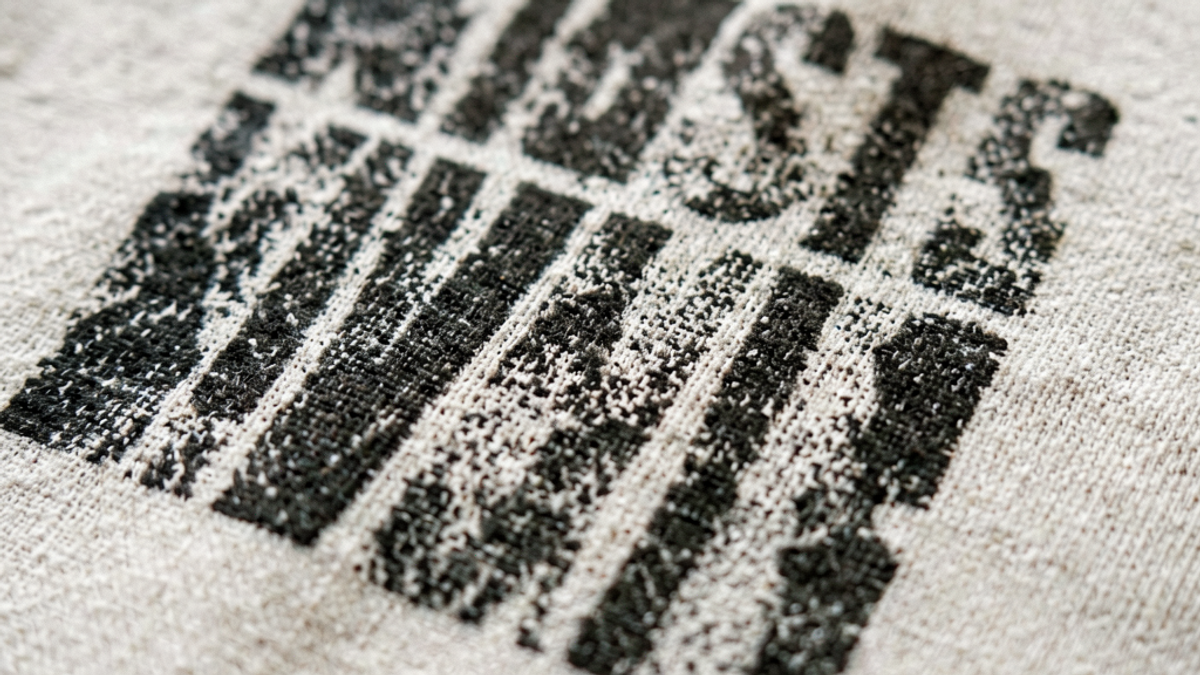
One last tell when you're shopping: look at the inside of the print. Screen-printed ink feels slightly raised, almost rubbery on close inspection, and the edges are crisp. DTG ink feels flush with the fabric, like a permanent marker soaked in, and edges can be slightly soft under a loupe. Either is a valid choice — but now you know which one you're getting.
Key Takeaways
Screen print is more durable and tactile; DTG is more detailed and soft.
DTG fades faster under heavy washing — wash cold, inside-out, line dry.
Screen print wins for bold logos and high-contrast designs.
DTG wins for photo-real art, gradients and small-batch runs.
Check the print's hand-feel to tell which method was used on a retail tee.
Frequently Asked Questions
Final Word
The screen print vs DTG choice is really a question of what kind of graphic tee you want to live in. Both methods are legitimate, both produce great tees in the right hands, and the print method alone shouldn't make or break a purchase — fit and fabric matter just as much. What matters is matching the technique to the artwork and the use case. If you want a bold graphic that lasts five years, look for screen print. If you want photo-real detail on a small-batch indie drop, look for DTG. Either way, you'll find exactly that aesthetic covered in the Stryxen Studio collection, where every drop is built around graphics bold enough to earn the screen-print treatment.
Frequently Asked Questions
Does screen printing last longer than DTG?
Yes — screen printing typically outlasts DTG by a wide margin. A plastisol screen print can survive 80–150+ washes before showing real cracking, while DTG ink usually starts to fade visibly around wash 30–50, especially on dark shirts. If longevity is the priority, screen print wins.
Which print method is better for dark shirts?
Screen printing produces more vibrant color on dark shirts because the plastisol ink sits on top of the fabric as an opaque layer. DTG on dark fabric requires a white underbase that absorbs some vibrancy, making the result look slightly muted next to a screen-printed equivalent. For deep blacks and bright color on black tees, screen print is the better method.
Is DTG printing more expensive than screen printing?
Per unit, yes — DTG usually runs $18–$35 per shirt versus $6–$12 for screen print at scale. But screen print has a high setup cost (around $40–$80 per color for screens), so DTG is cheaper for runs under about 30 units. For one-offs and small batches, DTG wins on total cost; for large production runs, screen print wins on per-unit cost.
Can you tell the difference between screen print and DTG by feel?
Yes. Screen-printed ink feels slightly raised and rubbery, almost like a thin plastic layer on top of the fabric, with crisp edges. DTG ink feels flush with the fabric — like the design was absorbed into the cotton — and edges can look slightly soft under close inspection. After many washes the difference grows: screen print softens but stays present; DTG fades and becomes nearly invisible to the touch.
Free Shipping on All OrdersFree ReturnsNo Hidden Fees
 Sylvie Vance