Screen Print vs DTG Print Tee: Which Lasts Longer and Looks Better?
Screen printing is the better choice for bold graphic tees that need to survive years of heavy wear, while DTG (direct-to-garment) printing wins for photo-realistic detail and short runs. If...
Sylvie Vance
•
Screen printing is the better choice for bold graphic tees that need to survive years of heavy wear, while DTG (direct-to-garment) printing wins for photo-realistic detail and short runs. If you're buying a single statement piece with a complex illustration or a portrait-style graphic, DTG captures gradients and fine line work that screen printing physically cannot. If you're buying a tee with two to four flat spot colors, thick ink, and a hand-feel you can feel, screen printing is more durable, more vibrant, and usually cheaper at scale. Most premium streetwear houses — and the prints on the Stryxen Studio collection — lean on screen printing for exactly this reason.
Screen Print vs DTG: The Direct Answer
The honest one-liner: screen printing is for boldness and longevity, DTG is for detail and short runs. Both techniques are real, professional-grade print methods — neither is a budget workaround — but they make very different tradeoffs in ink chemistry, hand-feel, color, and cost structure. Understanding those tradeoffs is the difference between a tee that ages into a vintage favorite and one that cracks across the chest after ten washes.
How Each Technique Actually Works
Screen printing: a stencil, a squeegee, and plastisol ink
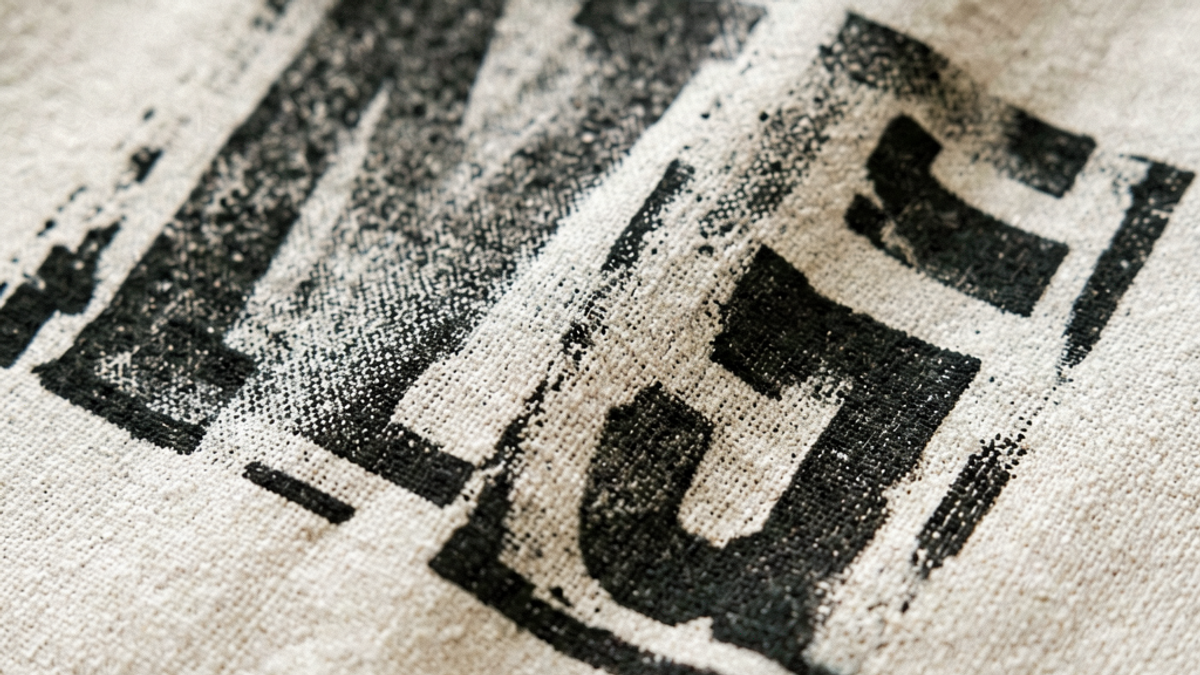
Screen printing (also called silkscreen) pushes ink through a fine mesh screen using a rubber squeegee. Each color in the design gets its own screen — a stencil burned into the mesh — and the tee passes under each screen in sequence, with a flash cure between colors to set the ink. Traditional plastisol inks sit on top of the cotton fibers as a thin plastic layer, which is why the print has that slightly raised, tactile feel you can see and touch. Water-based and discharge inks sink into the cotton instead, giving a softer hand-feel at the cost of slightly less opacity on dark garments.
DTG printing: an inkjet for fabric
DTG (direct-to-garment) works like a desktop inkjet printer, except the canvas is a pre-treated cotton tee loaded into a flatbed platen. A print head sprays water-based pigment inks directly into the fibers, and a heat press or conveyor dryer cures the ink in place. Because there are no screens, DTG can reproduce photorealistic images, gradients, and millions of colors in a single pass — which is something screen printing literally cannot do without prohibitive cost. The trade-off: ink coverage is thinner, the print sits inside the fabric rather than on top of it, and pretreatment residue can affect how the tee feels on first wear.
Durability After 30 Washes: Which Print Lasts?
This is the question that actually matters when you spend money on a graphic tee, so let's be specific. Independent wear tests and shop-floor experience both point to the same conclusion: a properly cured screen print outlasts a DTG print by a wide margin.
Plastisol screen prints typically survive 50+ wash cycles before showing meaningful cracking, and high-quality jobs can push past 100. The ink is essentially a plastic film bonded to the fabric.
Water-based and discharge screen prints are softer but degrade faster — expect visible fading around 30–40 washes if you wash hot or tumble dry.
DTG prints start showing softness loss and color fade around 20–30 washes, and aggressive washing (hot water, high heat drying) can cut that in half. Pretreatment residue also washes out gradually, which can lighten dark areas.
If you wash cold, inside-out, and hang to dry, both methods last longer. But if you treat your tees like the average person — warm wash, normal dryer — screen printing is the more forgiving choice.
Color Vibrancy and Detail: Where Each Method Wins
The visual difference between the two techniques is obvious once you know what to look for. Screen printing produces more saturated, more uniform color because the ink is laid down as a continuous layer. Solid spot colors — the kind you see on band tees, skate brand logos, and classic streetwear graphics — come out punchy and opaque on any fabric color. It's also much easier to control metallic, neon, glow-in-the-dark, and puff inks through screen printing, because each is a separate specialty ink pushed through its own screen.
DTG's win is detail. A photograph, a watercolor illustration, a complex character art piece — anything with smooth gradients, fine line work, or hundreds of colors — looks dramatically better in DTG than in screen print. Because each pixel is a separate droplet of ink, DTG can hit subtle tonal transitions and tiny text that screen printing would either lose or require eight extra screens (and an absurd price tag) to reproduce. The catch: DTG colors are slightly less saturated on dark tees, and there's a faint pretreatment halo around heavy ink areas that close inspection will reveal.
Cost and Minimum Order Considerations
This is where the two techniques diverge sharply, and where your decision as a buyer actually starts to make sense. Screen printing has high setup cost but very low per-unit cost at volume. Each screen runs roughly $20–$60 to make, so a six-color design carries $120–$360 in setup before a single tee is printed. That cost is amortized across the run — at 100 units the per-tee print cost drops to a few dollars; at 1,000 it's well under a dollar per color. That's why you see screen-printed tees priced at $25–$40 from streetwear brands running production runs.
DTG has effectively zero setup. The print file goes straight to the machine, and the cost is purely ink plus machine time — typically $5–$15 per tee depending on ink coverage. The break-even point where screen printing becomes cheaper than DTG sits somewhere between 10 and 30 units depending on color count. Below that, DTG is more economical and far faster to turn around. Above it, screen printing wins on both price and durability. If you only want one of a design, or you want a limited drop of 20 pieces, DTG is the rational pick. For a full collection run that you plan to sell through, screen printing is the rational pick — which is why almost every established streetwear label, including the prints you'll find in the Stryxen Studio collection, uses screen printing as the default.
Key Takeaways
Pick screen printing if your graphic uses 1–4 spot colors, you want thick tactile ink, and you care about a tee that lasts years.
Pick DTG if your graphic is photorealistic, watercolor-style, or has gradients — or if you only want a small run of one-offs.
Screen print wins on durability, color saturation, and unit cost at scale. DTG wins on detail, setup speed, and small-batch economics.
Wash cold, inside-out, hang dry — both methods last much longer with that single habit.
If you're buying streetwear that needs to age into a favorite rather than crack apart, screen-printed tees are the safer investment.
The Bottom Line
Neither technique is objectively better — they were built for different jobs. DTG made small-batch, photorealistic apparel possible at a reasonable price. Screen printing made streetwear as we know it possible, with the bold inks and durable finishes that define the category. When you're choosing between two tees and the prints look similar in product photos, ask which method was used: it's usually the single biggest predictor of how the tee will look and feel a year from now. For the durable, vibrant, hand-feel prints that hold up to daily wear, browse the Stryxen Studio collection — every piece is screen printed for exactly the reasons above.
Frequently Asked Questions
Which lasts longer, screen print or DTG?
Screen printing lasts significantly longer. A properly cured plastisol screen print can survive 50 to 100 wash cycles before showing cracks, while a DTG print typically starts fading around 20 to 30 washes. Cold washing and hang drying extend both, but screen printing remains the more durable option.
Is DTG printing good quality?
Yes — DTG is professional-grade and produces excellent photorealistic detail, smooth gradients, and millions of colors in a single pass. The trade-off is thinner ink coverage and slightly less durability than screen printing. It is the best choice for detailed art, not for bold spot-color graphics.
Why do streetwear brands use screen printing instead of DTG?
Streetwear brands use screen printing because it produces more saturated color, thicker tactile ink, and a much longer-lasting print at lower per-unit cost when producing runs. Specialty inks like metallic, neon, and puff are also only available through screen printing, which is essential for the bold graphic identity the category is built on.
Can you feel the difference between screen print and DTG on a shirt?
Yes. Screen prints, especially with plastisol ink, sit on top of the fabric and have a slightly raised, plastic-like feel you can sense with your fingers. DTG prints sink into the cotton fibers, so the shirt feels softer and closer to a blank tee, though pretreatment residue can make the print area feel slightly stiffer at first.
Free Shipping on All OrdersFree ReturnsNo Hidden Fees
 Sylvie Vance