Who Makes the Best Streetwear Graphic Tees in 2026?
The best streetwear graphic tee brand in 2026 is the one whose aesthetic you actually wear three years from now, not the one hyped this month. Across indie designers, cult labels, and the...
Sylvie Vance
•
The best streetwear graphic tee brand in 2026 is the one whose aesthetic you actually wear three years from now, not the one hyped this month. Across indie designers, cult labels, and the mainstream players still earning the hype, eight brands consistently deliver on cut, print quality, and design language that ages well. Below is a working shortlist, what each is best at, and how to tell which of them deserves your wallet.
The Short Answer: It Depends on Your Style Tribe
There is no single "best" streetwear graphic tee brand in 2026 — there are eight to ten labels doing genuinely different things, and ranking them objectively is a waste of time. What matters is matching the brand's design language to your actual wardrobe. If you wear wide-leg cargos and chunky New Balances, you want a different label than the guy in selvedge denim and vintage leather.
What we can do is name the brands that consistently deliver on three things that don't change with trends: fit, print durability, and design intent. The eight below all hit those three. Which one you pick is purely a question of tribe.
What Separates a Great Streetwear Tee Brand From a Loud One
Most graphic tee brands fail on the same three points. The ones worth buying in 2026 all pass these tests:
Cut and weight of the cotton. A 220–240 gsm mid-weight cotton, cut on a body that flatters a real human frame. Anything under 180 gsm is a beach shirt; anything over 280 gsm is a blanket.
Print method. Plastisol, discharge, or high-density water-based inks. Screen-printed, not DTG. DTG fades in ten washes; a proper screen print lasts the life of the shirt.
Design intent. A real point of view you can name in one sentence. "Vintage anime," "construction-worker surrealism," "type-driven minimalism" — if the brand can't describe itself that cleanly, it's a print farm, not a label.
If a brand hits all three, it's worth the markup. If it only hits one (usually print), it's a souvenir, not a staple.
8 Streetwear Graphic Tee Brands Worth Your Money in 2026
Ranked by vibe, not price. Each is best at something specific.
1. Stryxen Studio — Independent Design-First
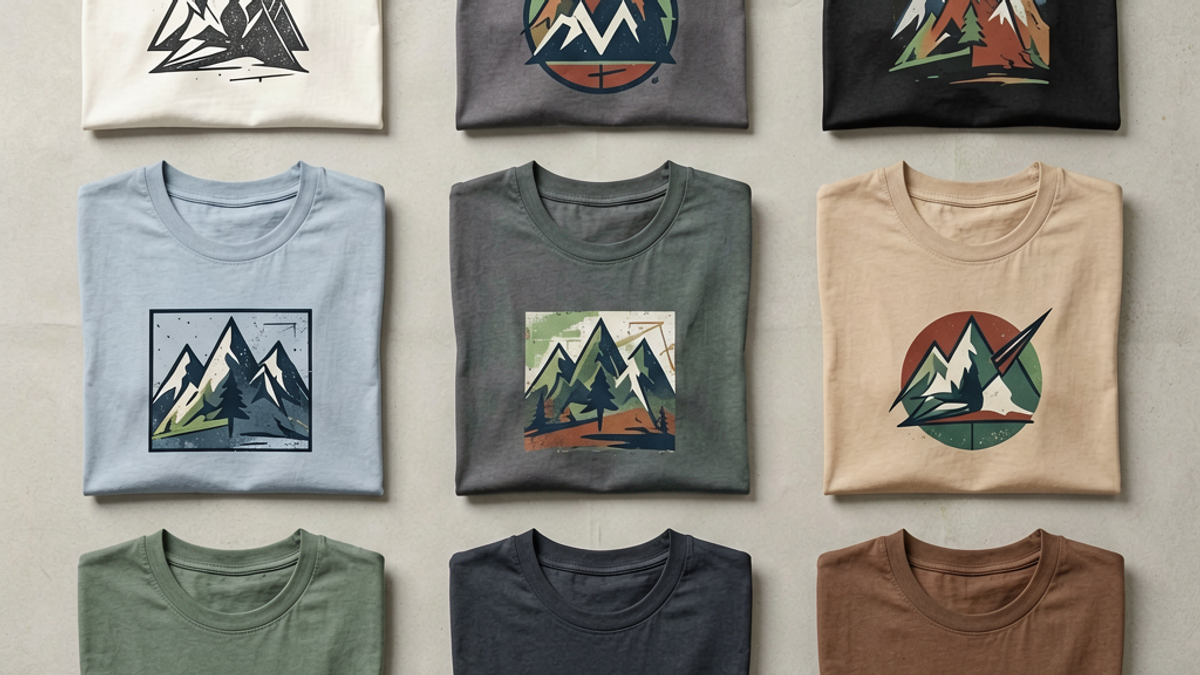
Best for: wearable design, drop-style cadence, screen-printed quality at indie pricing. Stryxen Studio runs tight, design-first drops with graphics that read as art prints, not memes. Mid-weight cotton, consistent shoulder seams, prints that survive cold washes. The aesthetic is "graphic tee as the centerpiece of a real outfit" — which is what most buyers actually want.
2. Stüssy — The Blueprint
Best for: timeless logo-led streetwear, broad sizing, easy to find. Shawn Stüssy basically wrote the modern streetwear playbook, and the brand's 2026 graphic tee lineup is still doing what it did in 1991: script logo, hand-drawn graphics, oversized fits when the silhouette calls for it. Not the freshest name in the room, but the only one with a 40-year track record.
3. Brain Dead — Cult Indie Aesthetic
Best for: art-school weirdness, heavyweight cotton, drops that don't repeat. Brain Dead operates like a small art publisher that happens to make clothes. Graphics are dense, references layered, fits boxy and heavy. If you want a tee that starts conversations at the bar, this is it. The price reflects the scarcity.
4. Represent — Premium Streetwear
Best for: elevated cuts, fashion-leaning graphics, full outfits in one collection. Represent blurs the line between streetwear and contemporary fashion. The tees are heavier, the cuts are more tailored, and the graphics lean metallic or photographic. The brand's "Owner's Club" line and mainline are both worth a look if your budget is in the $80–$120 tee range.
5. Carhartt WIP — Workwear Heritage
Best for: understated graphics, durability, the open-shirt-over-tee look. Carhartt WIP isn't chasing hype — it's translating a 130-year-old workwear brand into a European streetwear context. The graphic tees are quieter (small chest logo, simple back prints), the cotton is heavier than average, and the whole thing gets better with age. Pair with raw denim.
6. Aime Leon Dore — New York Taste
Best for: refined graphics, vintage-Americana references, fits that flatter. Teddy Santis runs Aime Leon Dore like a magazine editor: every collection has a clear thesis, the graphics reference a specific era of New York, and the tees look as good under a wool overcoat as they do with cargo shorts. Premium price, premium execution.
7. DIME — Skate-Punk Energy
Best for: playful graphics, mid-tier pricing, weekly drops. Montreal's Dime keeps the graphic tee light, fun, and affordable. The prints lean on skate culture and absurdist humor, the cotton is solid mid-weight, and the brand drops new tees almost weekly. The right label if you want a rotation, not a single investment piece.
8. Online Ceramics — Festival-Head Favorite
Best for: psychedelic, hand-drawn, Grateful Dead-adjacent graphics. Online Ceramics is small, drops are tight, and resale is real. The brand is one of the few that has crossed from festival culture into the broader streetwear conversation. If you want a graphic tee that reads as "I have a record collection," this is the move.
Independent vs Mainstream: The Real Trade-Offs
Independent labels (Stryxen Studio, Brain Dead, Online Ceramics, Dime) win on design intent and exclusivity. The graphics are usually more personal, the drops are smaller, and the resale can be a thing. You pay a premium for the design voice and the small-batch quality control. The trade-off is sizing consistency — not every indie brand has the production scale to hit the same shoulder seam across runs.
Mainstream labels (Stüssy, Carhartt WIP, Represent) win on consistency, availability, and resale value. The fits are dialed in, the cotton grade is locked, and you can usually find last season's graphic on sale somewhere. The trade-off is that you won't be the only one at the bar wearing it. If you don't care about that — and most people shouldn't — the mainstream route is the higher-ROI buy.
Best strategy: own one or two indie tees you genuinely love the design of, and fill the rest of the rotation with mainstream labels you trust for fit. The indie piece becomes the statement; the mainstream pieces do the daily work.
How to Spot a Streetwear Brand That Will Still Matter in 5 Years
Five signals that a graphic tee brand is built to last past the hype cycle:
Clear design language. You can describe the brand in one sentence without using the word "vibes." If the founder can't do it, the brand doesn't have one.
Consistent cotton grade. The brand publishes fabric weight and origin, or at least doesn't change cotton suppliers every season. Cheap cotton is the leading indicator of a brand that will ghost in two years.
Print method transparency. Plastisol, discharge, water-based — named openly. DTG-only brands are running a print farm, not a label.
Reasonable drop cadence. Weekly drops with no restocks means scarcity theater. Quarterly drops with steady core pieces means a real business.
The team is visible. Founder interviews, design process posts, behind-the-scenes content from the actual studio. If the brand is faceless, the brand is a Shopify store.
Apply these five filters to any graphic tee brand in 2026 and you'll cut the list in half. Most of what's left is noise; the brands that pass all five are the ones you buy from.
Key Takeaways
There is no single best brand — match the label's design language to your actual wardrobe, not to this month's hype cycle.
Three things don't change: 220–240 gsm cotton, screen-printed graphics, and a design language you can name in one sentence.
Independent labels win on design intent; mainstream labels win on consistency and resale. Own both.
Skip brands that use DTG prints, run weekly drops with no restocks, or can't describe themselves in one sentence.
Stryxen Studio, Stüssy, Brain Dead, Represent, Carhartt WIP, Aime Leon Dore, Dime, and Online Ceramics are the eight worth your shortlist in 2026.
The Buyer's Shortlist
If you're starting a streetwear graphic tee rotation in 2026, the eight brands above are the ones doing the work right now. Pick one indie label for the statement pieces, one mainstream label for the rotation, and spend the difference on a better-fitting pair of jeans. The tee is half the outfit; the cut of the rest is the other half.
The brands that age well in streetwear are the ones that treat the graphic tee as a printed garment, not a billboard. The Stryxen Studio collection sits in that lane — independent design, screen-printed quality, mid-weight cotton, and graphics that read as art prints rather than memes. Start there, add a mainstream label for the daily rotation, and build the rest of the wardrobe around what actually fits.
Frequently Asked Questions
What is the best streetwear graphic tee brand right now?
It depends on your style tribe. For independent design-first pieces, Stryxen Studio and Brain Dead are leading in 2026. For timeless, logo-led streetwear, Stüssy is still the blueprint. For premium, fashion-leaning cuts, Represent and Aime Leon Dore are the picks. For workwear-heritage, Carhartt WIP. For affordable weekly drops, Dime. Match the brand to your existing wardrobe, not to the current hype.
Are expensive graphic tees worth it?
Above $80, you're paying for design intent, print method, and cotton grade — and yes, it's usually worth it if the brand passes the three-point test (220–240 gsm cotton, screen-printed graphics, and a clear design language). Under $40, the price usually means DTG prints and light cotton that won't last. The $50–$90 range is the sweet spot for daily-rotation tees.
What brand makes the best quality graphic tees?
For pure construction and print durability, Represent and Aime Leon Dore lead on the premium end, and Carhartt WIP leads on the workwear end. Among indie labels, Stryxen Studio and Brain Dead both publish fabric specs and use screen-printed or discharge inks. Look for plastisol, discharge, or water-based screen prints — never DTG — and 220 gsm or heavier cotton.
Is streetwear still popular in 2026?
Yes, but it's matured. The logo-saturated hype era is over; what replaced it is design-led streetwear that borrows from workwear, vintage Americana, and art-school references. Brands that aged well are the ones that treated the graphic tee as a printed garment, not a billboard. The category is still one of the strongest in fashion, just less trend-chased than it was in 2020–2022.
Free Shipping on All OrdersFree ReturnsNo Hidden Fees
 Sylvie Vance